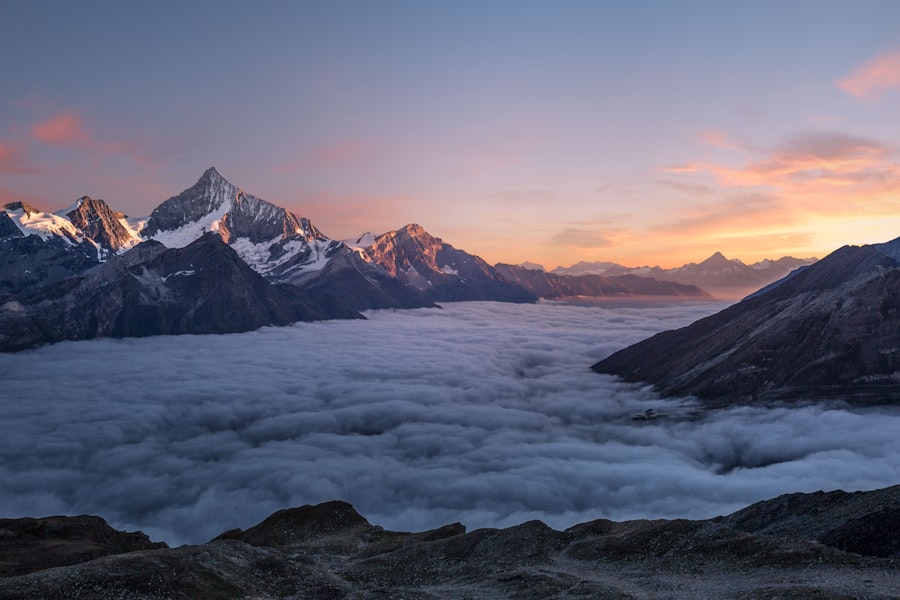
The short version: the Yorkshire Dales National Park — where several of our days run — was designated an International Dark Sky Reserve in November 2020, the largest in the UK; together with the neighbouring North York Moors, over 3,500 square kilometres of northern England earned the status simultaneously. For anyone who cares about the sky, that opens a lovely bespoke possibility: a day built around astronomy, weather and the reading of skies — run in daylight, as all our tours are, but designed by someone who thinks about what is above the fells as much as what is below them. Bespoke days are typically priced from £459 for a half day to £942 for a full day with two guides, with terms confirmed at enquiry.
I should declare an interest: astronomy and meteorology are my subjects. This piece is partly a public excuse to build more days around them. But the case stands on its own — here is why the sky deserves a day of your visit, and how such a day actually works.
What "Dark Sky Reserve" actually means
The designation is not a tourism slogan; it is awarded by DarkSky International (formerly the International Dark-Sky Association) after a rigorous application measuring the actual darkness of the sky and the community's commitment to protecting it. The Dales qualified emphatically — large tracts of the park have almost no local light pollution at all, and on a clear moonless night the Milky Way is not a faint rumour but a structure you can study with the naked eye. Meteor showers, planets, and on the right nights even the aurora are all realistically visible from the Dales in a way they simply are not from most of England.
The park has leaned into it: an annual Dark Skies Festival runs each February, and a network of Dark Sky Discovery Sites marks out spots with minimal light pollution and open sightlines. The darkness, in other words, is now part of the landscape's official heritage — as protected and celebrated as the drystone walls.
Astronomy is a daytime subject — genuinely
Here is the counterintuitive part: almost everything that makes a night sky rewarding is learned in daylight. What you are looking at, where to look, when to look, how the atmosphere behaves, why one clear night is superb and another disappointing — that is knowledge, and knowledge travels perfectly well in a minibus at two in the afternoon.
A sky-minded bespoke day weaves that through the landscape itself: how the fells make their own weather and what the clouds are telling you; why dark-sky country stayed dark (a story about settlement, land use and remoteness that is really the story of the Dales); where the horizon-lines and sightlines are and why they matter; and the long human history of these skies — from prehistoric monuments aligned on solstices to the navigation of the drovers. By the end of such a day you do not just know where to stand after dusk; you understand the sky you will be standing under.
Winter is the season — and winter days end in the dark
The Dark Skies Festival happens in February for a reason: long nights, crisp air, and darkness arriving at a civilised hour. And that last point matters for how a tour day can be shaped. In midwinter, dusk in the Dales falls in the mid-afternoon — which means an ordinary full-day tour, with no special arrangements at all, naturally ends its final hour under a darkening sky in officially excellent darkness.
Whether and how to shape a bespoke day around that — which direction the day ends facing, where the last stop falls, what the sky should be doing overhead when it does — is exactly the sort of question the bespoke planning conversation exists to answer. I will not promise here what a given day can include; that depends on your dates, the season and the plan we build together, with terms confirmed at enquiry. What I can promise is that if you tell us the sky matters to you, the day will be designed by people to whom it also matters.
Who books a day like this
Amateur astronomers visiting dark-sky country and wanting to understand the ground as well as the sky. Parents with a child whose current obsession is space — a bespoke day pitched for a family works wonderfully, because the landscape keeps everyone happy while the enthusiast gets fed. Photographers planning night shoots who need daylight reconnaissance of locations and sightlines. And guests who simply read about the Reserve and thought: I would like to understand that. All excellent briefs. Here is how to write one well.
The practical bit
A sky-minded day runs like any bespoke tour: up to seven guests, collection from Windermere railway station, Bowness Pier 1, Ambleside or Oxenholme, a route designed around your interests and shared with you before you book. Pricing follows our usual bespoke approach — typically £459 to £942 depending on scope, always explained, with research-heavy requests carrying a refundable £50 planning deposit that we flag clearly upfront. Winter dates offer the darkness; summer offers the noctilucent edge of the season and the gentlest weather. Either way, start the conversation — and if a February visit appeals, our piece on winter touring makes the wider case for the quiet season.
Frequently Asked Questions
Is the Yorkshire Dales really an official Dark Sky Reserve?
Yes — the Yorkshire Dales National Park was designated an International Dark Sky Reserve in November 2020, the largest in the UK. Together with the neighbouring North York Moors, which was designated at the same time, over 3,500 square kilometres of northern England holds the status, awarded by DarkSky International after a rigorous assessment of sky quality and community commitment.
Do you run stargazing tours at night?
Our tours are daytime tours, and a sky-minded bespoke day is designed accordingly — astronomy, weather-reading and the story of the dark-sky landscape, taught in daylight. In midwinter, dusk falls in mid-afternoon, so a winter full day naturally ends under a darkening sky. How a specific day is shaped is part of the bespoke planning conversation, with terms confirmed at enquiry.
When is the best time of year for dark skies in the Dales?
Winter — long nights, crisp air and darkness from late afternoon. The park's annual Dark Skies Festival runs each February. Whatever the season, plan around the moon: the week around a new moon transforms what is visible, while a full moon washes out the Milky Way even in a Dark Sky Reserve.
What would a sky-themed bespoke day actually include?
That is designed with you, but the raw material includes: what to observe and when during your visit, how the fells make their own weather and how to read it, why this landscape stayed dark, sightlines and locations in daylight, and the human history of these skies from prehistoric alignments onwards. The itinerary outline is shared with you before you book.
Is this suitable for a child who loves space?
Very much so — a family bespoke day pitched around a young enthusiast is one of the happiest briefs we get. The landscape carries the day for everyone else while the subject gets fed properly. Tell us ages and enthusiasm levels in the enquiry and we pitch it accordingly.
How much does a bespoke sky-themed day cost?
As a bespoke tour: typically from £459 for a half day to £942 for a full day with two guides, per group of up to seven, individually quoted and always explained. Research-heavy requests may carry a £50 planning deposit, fully refunded against the tour price when you book. Terms are confirmed at enquiry.