Grasmere is a small village in the central Lake District, enclosed by fells on three sides with the lake below. It has a church, a river, a village green and a main street short enough to walk end to end in three minutes. It also has Dove Cottage, the churchyard where Wordsworth is buried, the Grasmere Gingerbread Shop, and — in the summer months — more visitors per square metre than almost anywhere else in the Lake District.
Not all of this is Wordsworth's fault. But a significant portion of it is.
When Wordsworth arrived in December 1799, Grasmere was a quiet agricultural settlement with no particular claim to fame. By the time he died fifty years later it was one of the most visited places in England. The poems he wrote here — in Dove Cottage and later at Rydal Mount — established the Lake District as a landscape of literary and spiritual significance that educated Victorians felt they ought to see for themselves. They came. They have not stopped coming.
The irony is not lost on modern visitors that Wordsworth, who wrote the first guide to the Lake District (his Description of the Scenes and Pastures of the Lakes, 1810) and who campaigned vigorously against the arrival of the railway, was himself the primary cause of the tourist industry he spent his later years complaining about.
St Oswald's Church in the centre of Grasmere is a medieval church with a simple interior — whitewashed walls, a stone floor, the characteristic understatement of Anglican country churches in the Lake District. Wordsworth is buried in the churchyard to the south of the building, in a grave that is simpler than almost any visitor expects. A plain slab. His name. The dates. Nothing else. Mary, Dorothy, and several of the children are buried nearby.
The churchyard is one of the most visited spots on any Wordsworth tour, and one of the most affecting. The grave is five minutes' walk from Dove Cottage. The proximity of where he worked to where he is buried — the compression of a creative life into a few hundred metres of a small valley — is one of those facts that stays with you.
This requires explanation for visitors who have not encountered it. The Grasmere Gingerbread Shop occupies the old village school at the gate of St Oswald's churchyard. It bakes and sells a single product — Grasmere gingerbread, made to a recipe kept secret since Sarah Nelson devised it in 1854 — and has been doing so continuously since then. The queue outside it on summer days is not ironic. The gingerbread is genuinely exceptional.
Sarah Nelson's original handwritten recipe is locked in a local bank vault. Two employees know it at any time. This level of institutional secrecy for a biscuit recipe strikes most visitors as either absurd or deeply admirable. It is probably both.
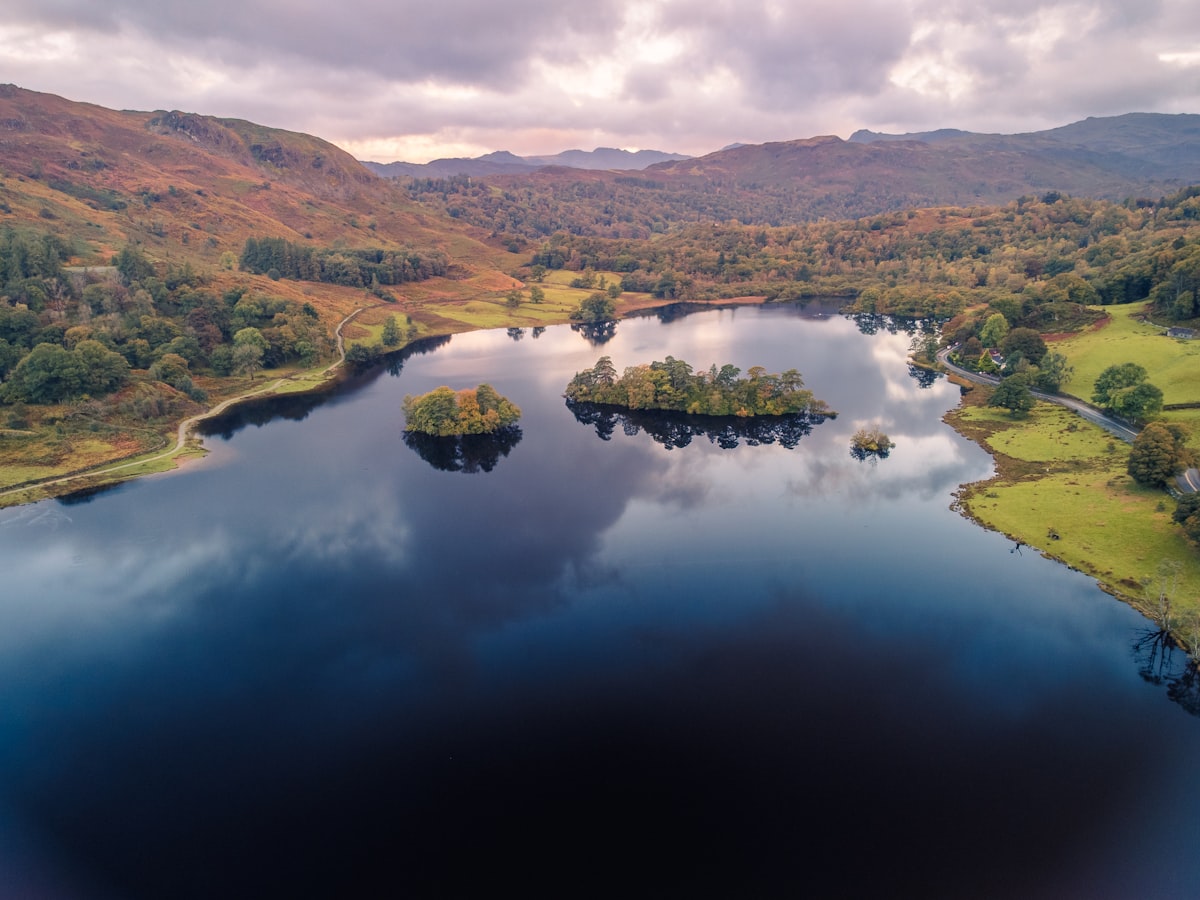
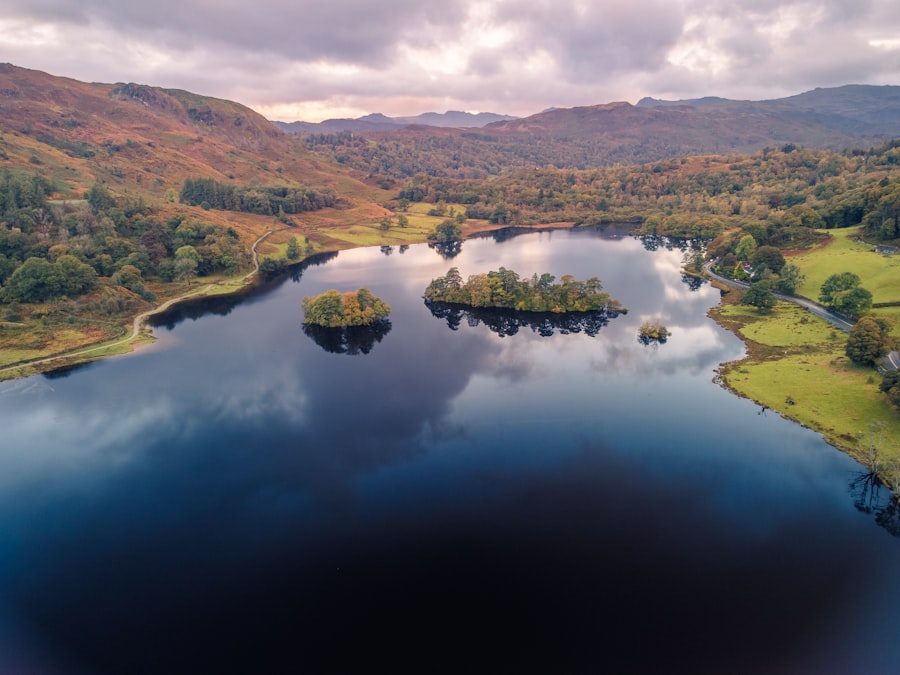
Grasmere lake is smaller than most visitors expect — about a mile long, narrow, with a single wooded island that appears in Wordsworth's poems and which the Windermere ferry makes occasional trips to. It sits at the southern end of the village, visible from the road between Grasmere and Rydal, and on a still morning with low cloud on the fells it has the quality that Wordsworth was describing when he wrote about the Lakes. Not spectacular. Something better than spectacular: quietly, persistently beautiful.
Grasmere is a central stop on both the Wordsworth Morning Tour and Wordsworth Afternoon Tour. Your expert storyteller will explain the full context of what you are seeing.