The relationship between James Herriot and Helen Alderson is the structural heart of the Channel 5 All Creatures Great and Small. Most of the best television dramas about medicine or veterinary work — and there is a recognisable tradition of them in British television — organise the professional and the personal in ways that can become formulaic. The All Creatures writers and the actors playing James and Helen have found a version of this structure that largely avoids the familiar pitfalls.
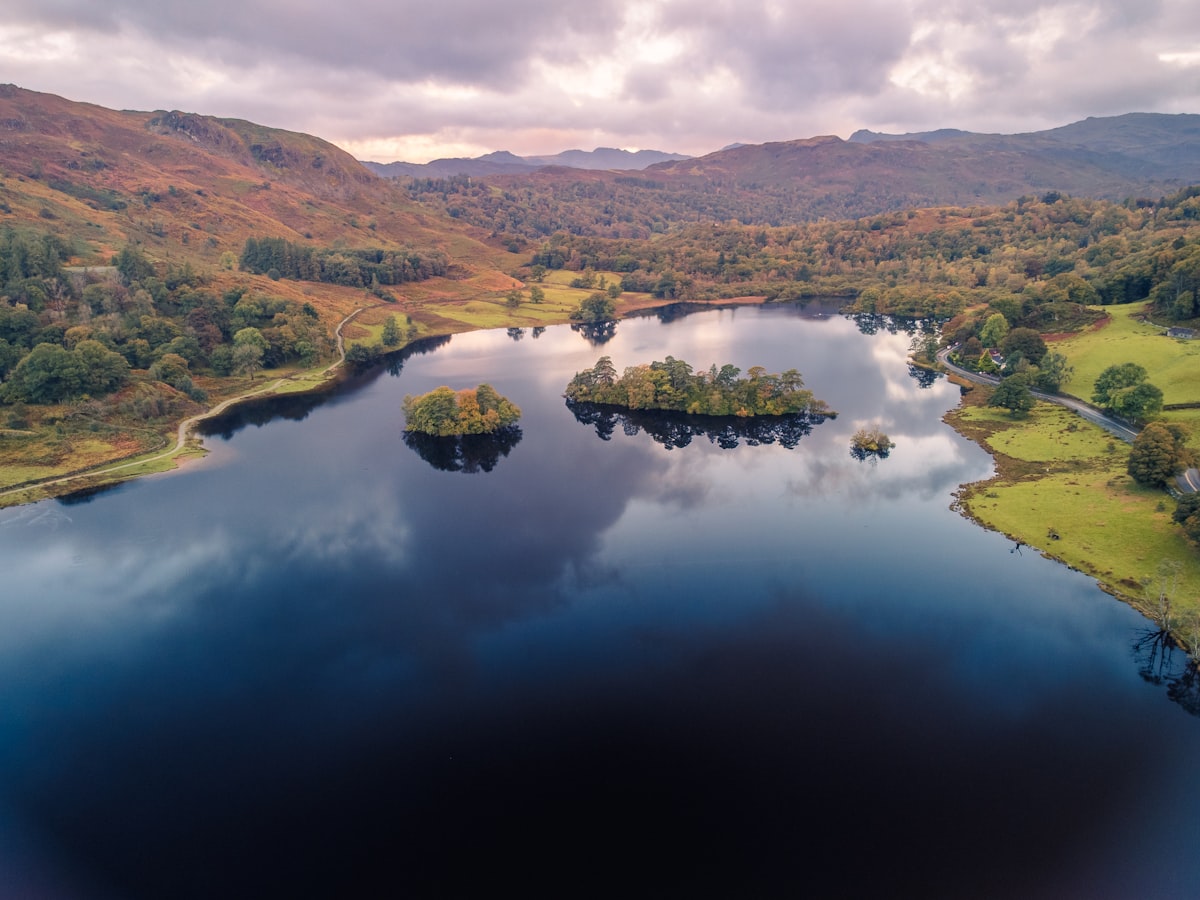
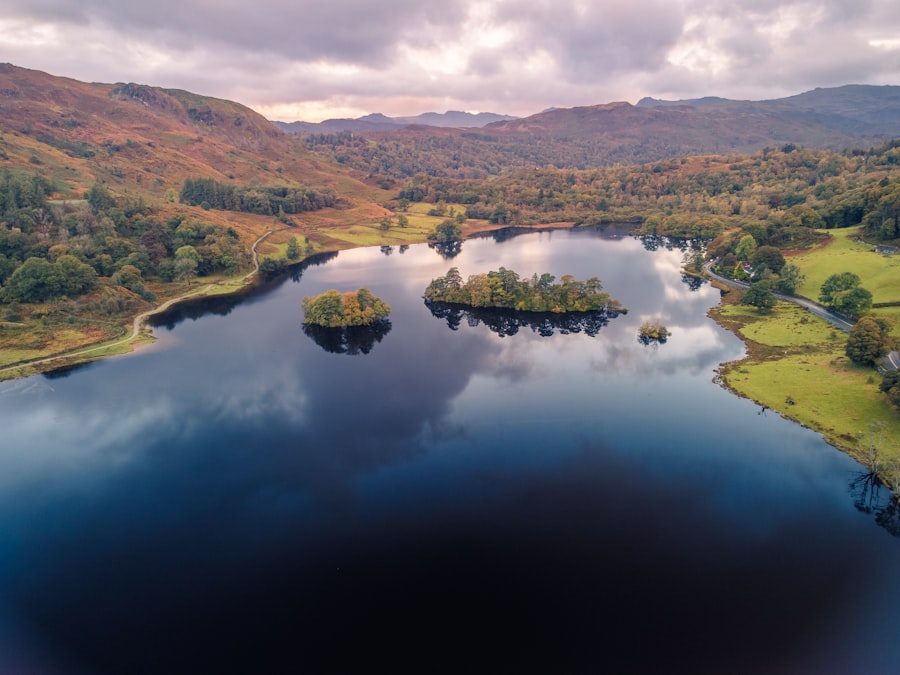
Part of the reason is the landscape.
In the original Herriot books, Helen is a warm and largely idealised figure — the farmer's daughter who becomes James's wife and companion. Herriot writes about her with obvious affection but relatively little psychological complexity. She is, in the books, primarily a presence rather than a character in the full dramatic sense.
The Channel 5 series made a significant and correct decision to develop her substantially — to give her a story of her own, her own complications, her own version of the choice she faces. Rachel Shenton's performance makes Helen genuinely interesting in ways the books did not quite manage. Her relationship with her father, her complicated feelings about Hugh Hulton, her growing understanding of what she wants from her life — all of this is developed in the series in ways that justify the adaptation.
Helen's connection to the Dales landscape is not incidental to her characterisation. She grew up in it. She knows every farm, every lane, every fell path. James arrives as a stranger to the Dales — from Glasgow, from cities, from a different world — and his relationship with Helen is partly a relationship with the landscape she embodies. Learning to love the Dales and learning to love Helen are, in the series, not quite the same thing but not quite different either.
This is truest in the scenes at Helen's farm — the fields she grew up in, the particular quality of the Wharfedale landscape around it. When you visit the location on tour and your storyteller plays the relevant scenes, the connection between the character and the place becomes physically apparent. The farm is not just a backdrop. It is part of her story.
The contrast between the church where Helen nearly married Hugh Hulton and the church where she actually married James is one of the best-managed storytelling decisions in the series. The two buildings are very different — one substantial and formal, one small and ancient — and the contrast is not accidental. The production team chose them for what they say about the two possible versions of Helen's life.
Standing at both in a single day, with the scenes played at each location, makes the contrast visceral in a way that the series alone cannot quite achieve. You understand the choice differently when you have been at both places.
Joan Danbury — the real Helen, who married James Alfred Wight in 1941 — was a farmer's daughter from the area around Thirsk. She and Wight were together for over fifty years. She died in 1999, four years after him.
She read the books. She gave Wight permission to write about their early relationship. Her version of the courtship, in interviews she gave in later life, was affectionate and largely consistent with the fictional account, though she noted with characteristic Yorkshire directness that some of the more romantic passages were somewhat elaborated.
Helen's farm and the surrounding Wharfedale landscape are part of our All Creatures Great & Small tour. £169 per person. Maximum seven guests.