
Blog · Scenic Lake District
← Back to Blog
The Kirkstone Pass is the highest driveable road in the Lake District, reaching 454 metres at its summit between Windermere and Ullswater. The road over it is called the Struggle on its steeper southern approach — a name given by the horses that had to struggle up it before motor vehicles existed, and which has remained in use for two centuries.
The view from the summit, looking north over the Kirkstone valley towards Ullswater, is one of the defining views of the Lake District National Park. It is the moment on our 8 Lakes and 10 Lakes Full-day tours that most guests photograph. It is also the moment that most clearly demonstrates why the Lake District's geology produces the landscape it does.
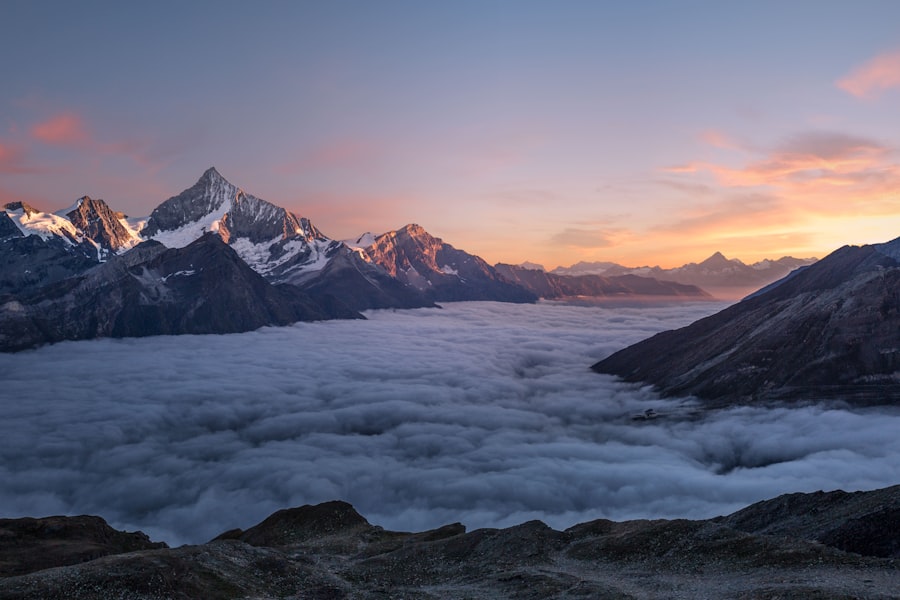
The A592 over the Kirkstone Pass climbs steeply from Troutbeck in the south and descends more gradually to Brothers Water and Patterdale in the north. The road was in use as a pack horse route from at least the medieval period — the Struggle was the only direct route between the southern Lakes and the Ullswater valley for people and goods.
The Kirk Stone itself — the large rock near the summit from which the pass takes its name — is a natural feature of the local geology, a boulder of volcanic rock that, when viewed from a certain angle, resembles a church. The inn at the summit (the Kirkstone Pass Inn, one of the highest pubs in England at 455 metres) has been providing refreshment to travellers on this road since at least the 17th century.
The Kirkstone Pass lies at the boundary between two distinct geological zones. To the south, the Lake District's softer Silurian and Ordovician sedimentary rocks produce the more rounded, pastoral landscape of the southern Lakes — the gentle hills above Windermere, the undulating ground of the Troutbeck valley. To the north, the Borrowdale Volcanic Group takes over: the hard, craggy, resistant volcanic rock that produces the dramatic peaks of Helvellyn, High Street and the central fells.
This geological transition is visible from the pass summit. The landscape changes character almost completely within a mile either side of the top. Your expert storyteller will point this out on the way through — it is one of the clearest illustrations of how geology determines landscape character anywhere in the Lakes.
From the summit of the Kirkstone Pass, looking north, the Kirkstone valley drops away steeply towards Brothers Water. Brothers Water is a small lake — really just a widening of Goldrill Beck — visible as a silver disc at the base of the descent. Above and beyond it, the Patterdale valley opens, and to the west Helvellyn's eastern ridge — Striding Edge — is visible on clear days.
The descent from the summit towards Patterdale is one of the finest driving experiences in the Lake District. The road falls sharply, with the valley opening below and the fells rising on both sides. In snow — which the summit holds for longer than the valley floor — the descent is extraordinary. In autumn, the bracken on the surrounding fellsides is deep copper and the contrast with the grey volcanic rock and the silver water of Brothers Water is a composition that has been painted and photographed consistently for two centuries.
Brothers Water, at the foot of the northern descent, is one of the smallest of the lakes — small enough that some guidebooks count it as a tarn. It has a sad history: two brothers drowned in it when the ice gave way one New Year's Day in the late 18th century, and the name replaced the older Broad Water. Wordsworth wrote a poem here on Good Friday 1802, sitting on Cow Bridge at the foot of the lake while his sister Dorothy walked the shore: Written in March, with its crowing cock, flowing stream and glittering lake.
The lake is fringed with reeds and, along its western shore, by the old oaks of Low Wood, particularly fine in autumn. Red squirrels are still found in this valley, and red deer can occasionally be seen at dawn and dusk on the surrounding fellsides.
The Kirkstone Pass is a key feature of both the 8 Lakes Morning Tour and the The 10 Lakes Full-day Tour with Ullswater Cruise. Your expert storyteller will explain the geology of the transition from southern to central Lakes as you cross the summit.