Blog Lake District
← Back to Blog
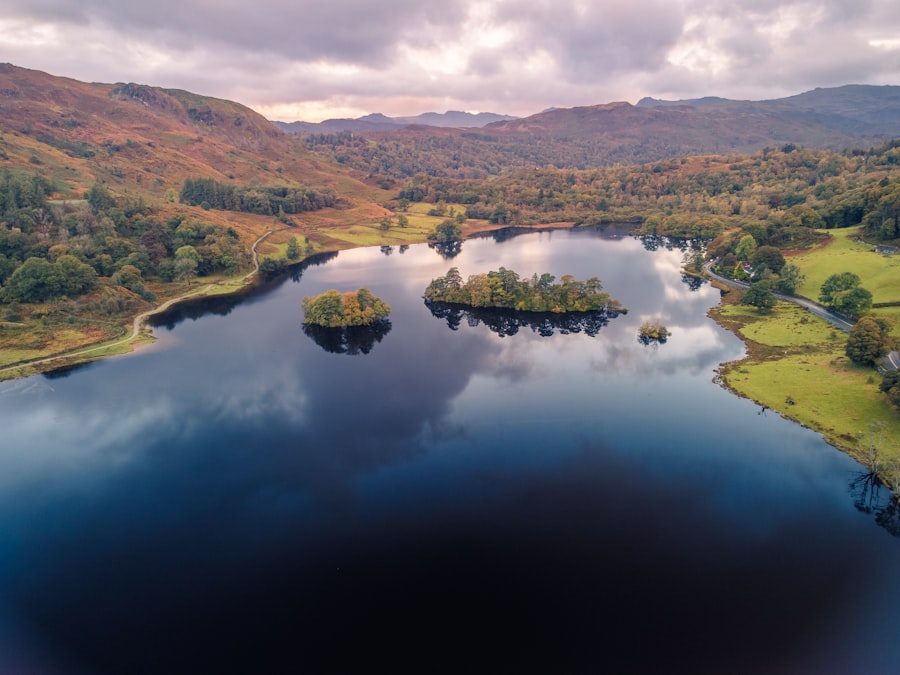
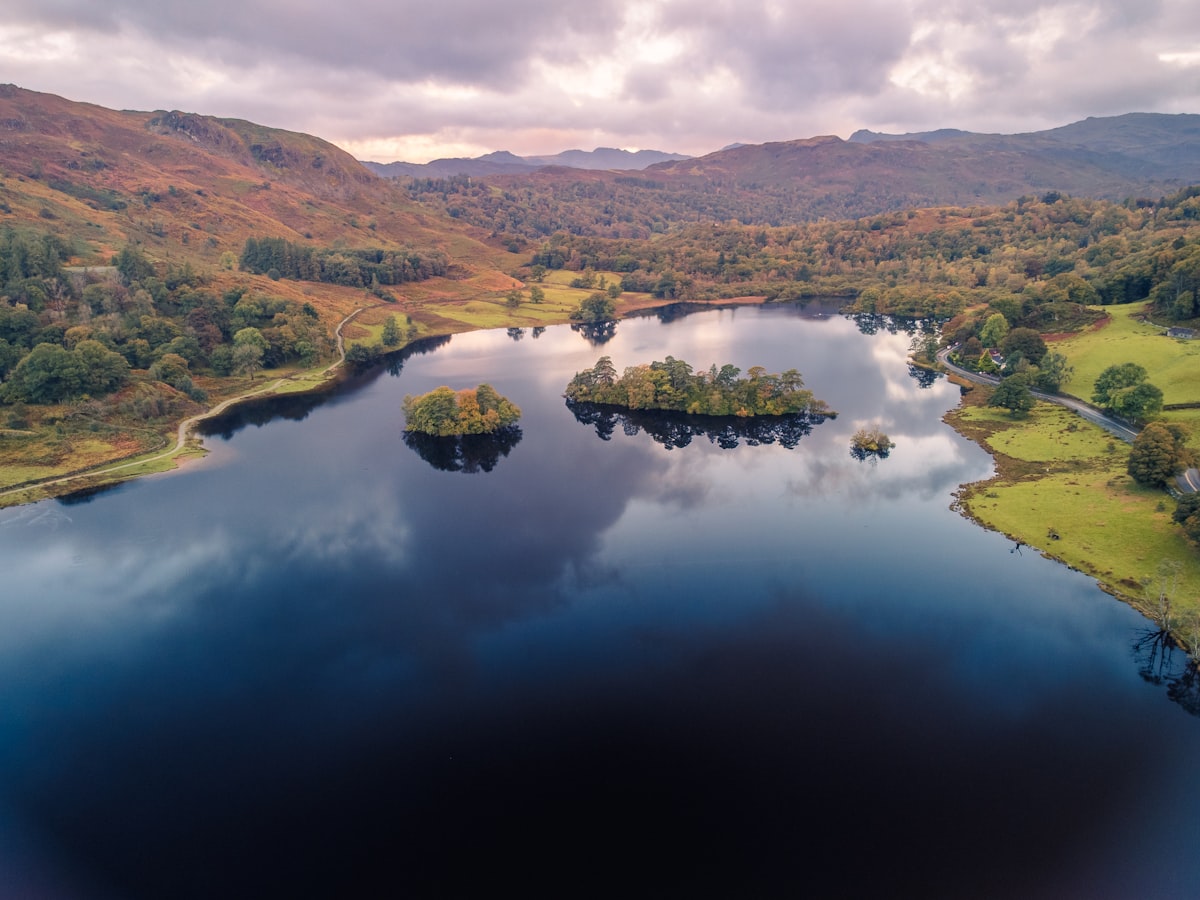
The Lake District is one of the most photographed landscapes in Britain, which creates two opposite problems for photographers. The first is that the iconic shots — the reflection of Catbells in Derwentwater, the profile of Great Gable from Wasdale Head, the cobbles of Ashness Bridge with Derwentwater behind — have been taken thousands of times, and taking a version of them feels more like ticking a checklist than making a photograph. The second is that the Lake District is so large and so varied that knowing where to go for photographs that are genuinely your own is genuinely difficult.
This guide addresses both. It covers the classic locations and why they work, the less obvious alternatives, and the single most important factor in Lake District photography: timing.
Every experienced landscape photographer in the Lake District will tell you the same thing: the light matters more than the location. The view from Surprise View above Derwentwater is extraordinary at dawn in October and perfectly ordinary at noon in July. Buttermere in the flat grey light of a dull August afternoon is a pleasant lake. Buttermere at dusk on a clear October evening, with the fells reflected in water gone dark and still, is one of the finest sights in England.
Planning a photography visit around the light — which means being at your chosen location at dawn or dusk, and accepting that the middle of the day is mostly not your time — transforms what you come home with.
Ashness Bridge — the composition works because the bridge, the farmhouse and the lake appear simultaneously in a narrow field of view, requiring the photographer to be precisely positioned. The shot is not accidental and it is not easy. Being slightly too high or too low, too far or too close, misses it. The light is best from the east in the morning.
Tarn Hows — the attraction for photographers is the reflections, which require completely still water. These conditions occur reliably in the early morning before any wind gets up and, less reliably, in the late afternoon. In autumn the colour from the surrounding woodland adds a second register of interest.
Derwentwater from Friar's Crag — the view north along the lake from this short promontory on the eastern shore is the classic Derwentwater composition. The best version of it includes the wooded islands, which requires the right position and, ideally, a low sun from the west in the afternoon.
The Ullswater steamers — the Victorian steamers on Ullswater provide one of those compositions that practically makes itself: the vessel, the lake, the fells. Morning light from the east illuminates the eastern shore and the water ahead of a northbound vessel.
Thirlmere in low water — when the reservoir is low after a dry summer or autumn, the old shoreline becomes visible above the waterline: submerged field walls, the line of the old road, the ghost of the landscape that was drowned in 1879. Combined with the forest reflection and the quality of low-angle autumn light, this is one of the more unusual Lake District compositions.
The Newlands Valley from the Hause — the view back down into Newlands from the Newlands Hause road, looking north towards Derwentwater in the far distance, is one of the finest valley views in the Lakes and almost entirely absent from the standard photography guides.
Rydal Water in mist — the combination of Rydal Water and morning mist is one of the most atmospheric conditions in the central Lakes. The mist typically clears by mid-morning; the window for this composition is early and brief.
The last light on Blencathra — the east face of Blencathra, seen from the A66 below, catches the last evening light in a way that turns the fell gold for twenty minutes before the sun sets. Easy to photograph from the road.
Spring: The bluebell woodland above Grasmere and in Borrowdale, from mid-April to mid-May. The wild daffodils at Ullswater in late March and April.
Summer: Long days, high contrast, green fells. Best in the early morning and evening; midday light is flat.
Autumn: The peak season for most photographers. Bracken colour from late September; woodland colour through October. The rut adds a wildlife dimension. The light is at its best.
Winter: Frost, snow, whooper swans, the low sun. Shorter windows for good light but often the most dramatic conditions.
All our tours move through the landscape in the direction that maximises the light — east in the morning, west in the afternoon. Your expert storyteller will point out photography opportunities as they occur, including conditions and viewpoints that are not on the standard tourist map.
If photography is the primary purpose of your visit, a private tour gives you full control of the pace and the stops — we linger at the locations that are working and move on when they are not.
Private photography tours from £459 for a half day. See our private tours page.