Blog Lake District
← Back to Blog
The question visitors ask most often — after how to get here and where to stay — is which season to come. The answer is that each season has specific qualities that the others cannot replicate. This is not a diplomatic evasion. It is accurate. The Lake District in February is not a less good version of the Lake District in August. It is a different landscape doing different things, and some of what it does in February it cannot do in August. We also keep dedicated seasonal guides: the Lake District in autumn and the Lake District in winter.
What follows is an honest seasonal account.
The lakes are at their clearest and, in still weather, their most reflective. The fell profiles are sharpest without summer haze. Whooper swans on Bassenthwaite Lake arrive from Iceland in October and are often still present in February. The light — when it appears — is the low, long-shadowed winter light that photographers specifically come to find.
The days are short (sunrise around 8am, sunset around 4pm in January), the fells are sometimes snow-covered, and the landscape has the austere, stripped-back quality of the English winter at its best. Visitor numbers are minimal.
The transition. The days lengthen noticeably. The wild daffodils appear on the Ullswater shores in late March — the colony that prompted Wordsworth's poem, still flowering in the same places after two centuries. The first spring migrants arrive; the breeding birds begin to display. The ospreys return to Bassenthwaite Lake from their African wintering grounds.
Easter, if it falls in April, brings the first significant visitor numbers of the year. The weeks before and after Easter are excellent — the spring is active, the crowds are moderate.
One of the finest months in the Lake District. The fresh green of new growth is at its most intense. The bluebells are at their peak in the ancient woodland — Borrowdale, Grasmere, the shore of Rydal Water. The breeding birds are fully active; the ospreys are fishing. Visitor numbers are building but have not yet reached the July and August peak.
The combination of long days, spring colour, active wildlife and manageable visitor numbers makes May consistently one of the best months for a Lake District visit.
The longest days — sunrise around 4.30am, sunset around 10pm. The evening light in June, with the sun setting over the Irish Sea and the western sky holding colour until nearly midnight, is extraordinary. The landscape is deeply green. The first swifts arrive.
June is the month for those who want the very longest days and the warmest weather, and who are willing to accept the crowds that come with school-holiday proximity.
Peak season. Everything is open, the weather is warmest, the days are still long. The car parks fill quickly. The roads have more traffic. The experience is the most summer-holiday version of the Lakes — families, boats on the water, the ice cream queue at the Grasmere Gingerbread Shop.
This is not an inferior experience, but it is a different one from the autumn or winter Lakes. Coming by train and joining a tour removes the logistical difficulties of summer entirely.
The month most recommended by those who know the Lakes well. The school holidays end in early September and the crowd level drops markedly within days. The bracken begins to turn on the higher ground. The light acquires the golden quality of the autumn sun. The ospreys begin their migration south but are sometimes still present into mid-September.
September has the warmth and long days of late summer combined with the quietness of autumn. It is arguably the best single month for a first visit.
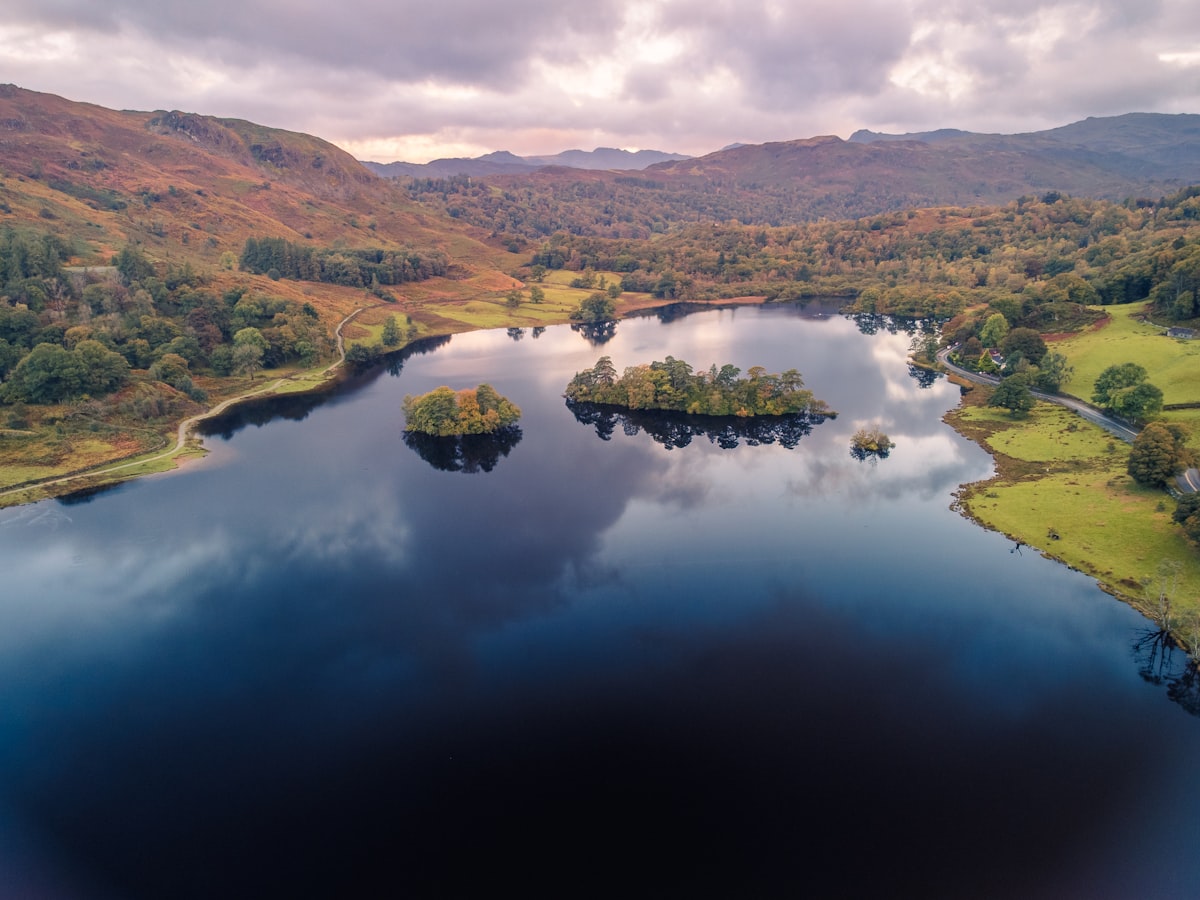
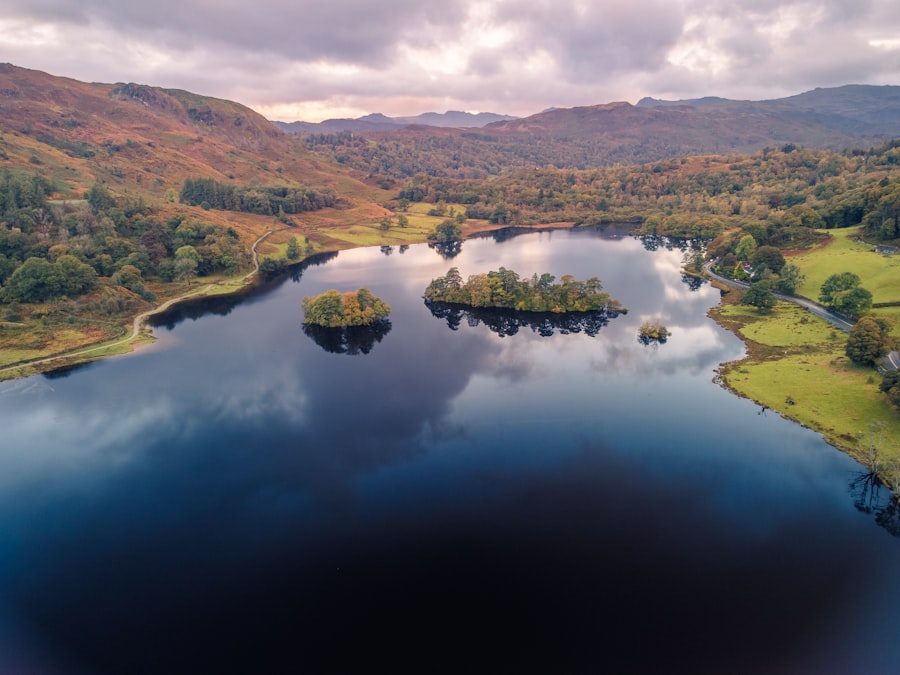
Autumn colour. The bracken on the open fells is deep copper by the second week of October. The woodland on the valley sides turns gold and orange through the month. The red deer rut brings the stags roaring down from the high fell to the Martindale valley and the Ullswater area. The quality of the light on a clear October afternoon, with the low sun catching the copper fells and the still lake below, is what the painters came for.
The third week of October is the peak of the combined bracken-and-woodland display in most years.
Quiet, occasionally dramatic, frequently underestimated. The landscape is stripped back to its bones. The waterfalls are running at full volume after the autumn rain. There may be snow on the upper fells. The first frosts bring hoar and rime to the woodland. The winter wildfowl — whooper swans, diving ducks, fieldfares — are settling in.
The Christmas period has its own particular quality in the Lakes — the lights of the small towns against the dark fells, the markets in Keswick and Ambleside, the landscape under frost.
Our tours run every month of the year, in all weathers. See all tours and book here.
For the whole season in one place — when the colour peaks, what's open, short walks and the tours that suit it — see the Lake District in autumn.