Blog Lake District
← Back to Blog
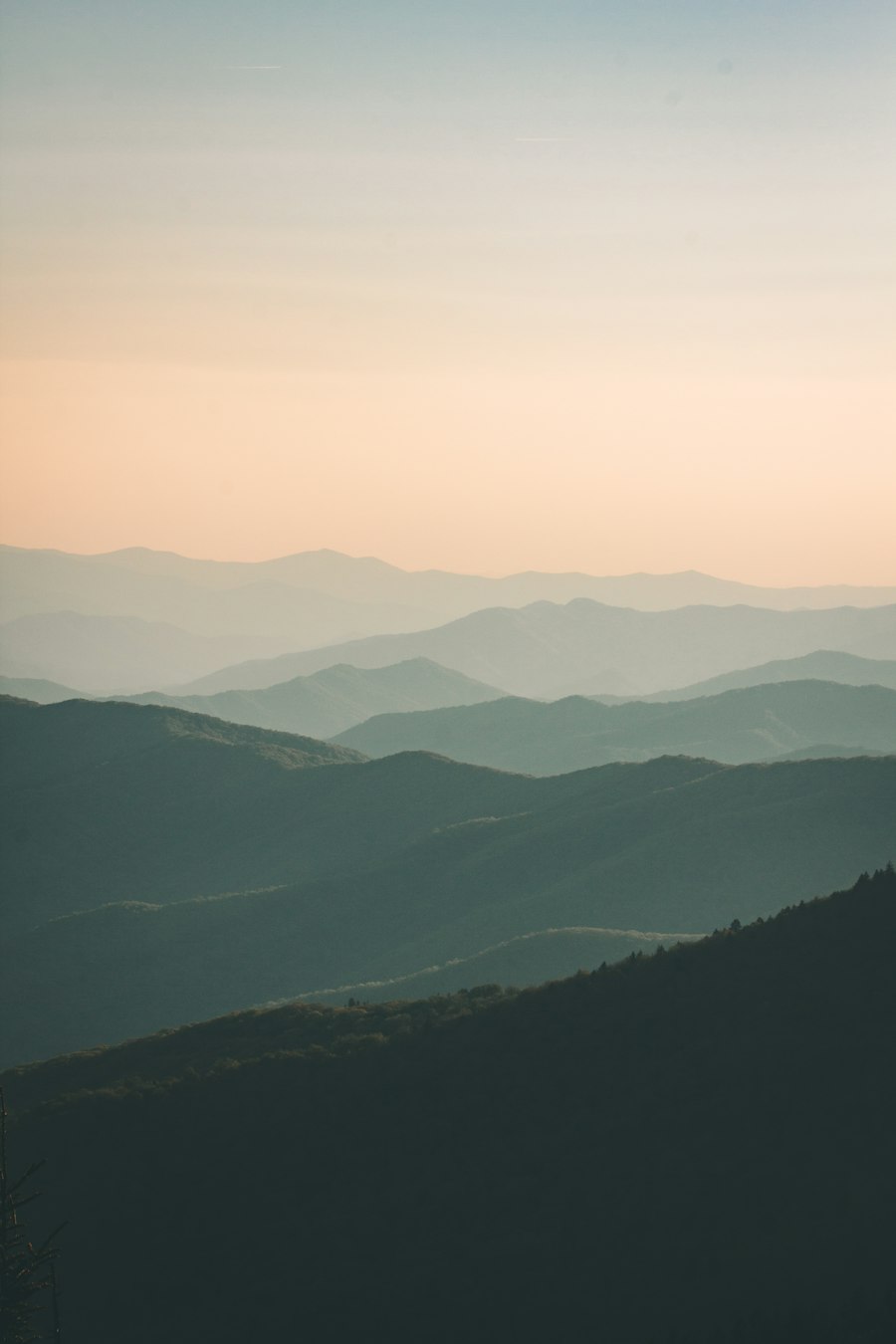
Falconry is one of the oldest working relationships between humans and wild animals anywhere in the world, and Leighton Hall gives you a genuinely good vantage point to watch it, with the Lake District fells filling the sky behind the birds as they fly.
The flying displays run daily in season, with a falconer providing commentary on training, feeding and hunting behaviour as the birds work. What looks like simple spectacle is really a demonstration of an ancient, precise relationship: a bird of prey is never truly tamed in the way a dog is, and the falconer's skill lies in managing the bird's motivation — usually food, sometimes flight itself — rather than commanding obedience. Hawks and falcons hunt by sight and speed; owls, where they're flown, by silence and hearing. Watching several species in sequence is a fast way to understand how differently each has evolved to hunt.
Immediately adjacent to the Leighton Hall estate is Leighton Moss, one of the RSPB's flagship reedbed reserves and one of the best places in the north of England to hear — and occasionally see — a booming bittern. The reserve also holds marsh harriers, otters, and one of the largest starling murmurations in the region in winter. It is not part of Leighton Hall itself, but the two sit close enough together that a single visit can take in falconry, formal garden and genuine wetland wildlife within the same afternoon.
Most bird of prey displays in England happen at dedicated falconry centres with no wider context. Leighton's version is unusual because it sits inside a working historic estate, next to a nationally important wildlife reserve, on the very edge of a National Park. For visitors who want wildlife content that isn't just about the Lake District's fells and lakes, it's one of the more distinctive half-days available in the wider region.
Leighton Hall and neighbouring Leighton Moss can be combined into a single bespoke day of birds, gardens and history.