Mrs Tiggy-Winkle is the best-loved of Beatrix Potter's characters among many adults who have grown up with the books and returned to them as parents or grandparents. Not Peter Rabbit — though Peter Rabbit is the most famous — but the small, stout, prickly washerwoman hedgehog who does the laundry for all the animals of the fell. The warmth of the book, the specific domesticity of the laundry scenes, the relationship between the child Lucie and the peculiar creature who helps her: it is a book about kindness, and it is set in a very specific corner of the Lake District.
Potter kept a pet hedgehog for several years in the early 1900s, named Mrs Tiggy-Winkle. The hedgehog was a genuine pet — allowed to roam the house, fed by hand, drawn and painted repeatedly. The illustrations in the book are portraits, in the same sense that the illustrations of Peter Rabbit are portraits: made from direct observation of a real animal with a specific character.
The name Mrs Tiggy-Winkle was not invented by Potter. It was a common term in northern England for a hedgehog — derived from the description of the prickly coat. Potter used it because it was the right name for the animal and the story.
The story is set in the hills above a place called Little-Town, and Lucie — the child protagonist — lives at a farm of that name. Little-Town farm is real: it is in the Newlands Valley, a few miles west of Derwentwater, at the foot of the fell above which Mrs Tiggy-Winkle's house is supposed to be. The church at the end of the Newlands Valley — the tiny St Bartholomew's church at Buttermere road end — appears in the book.
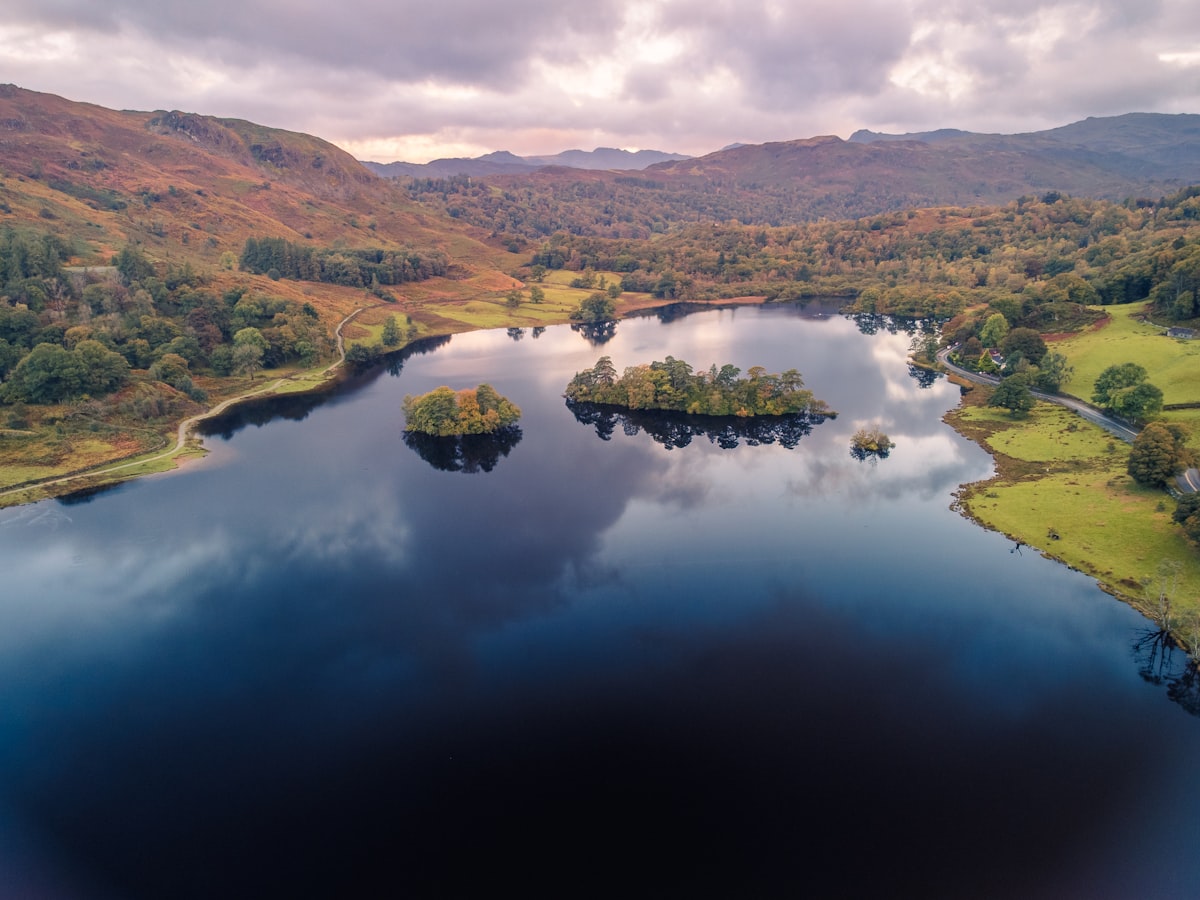
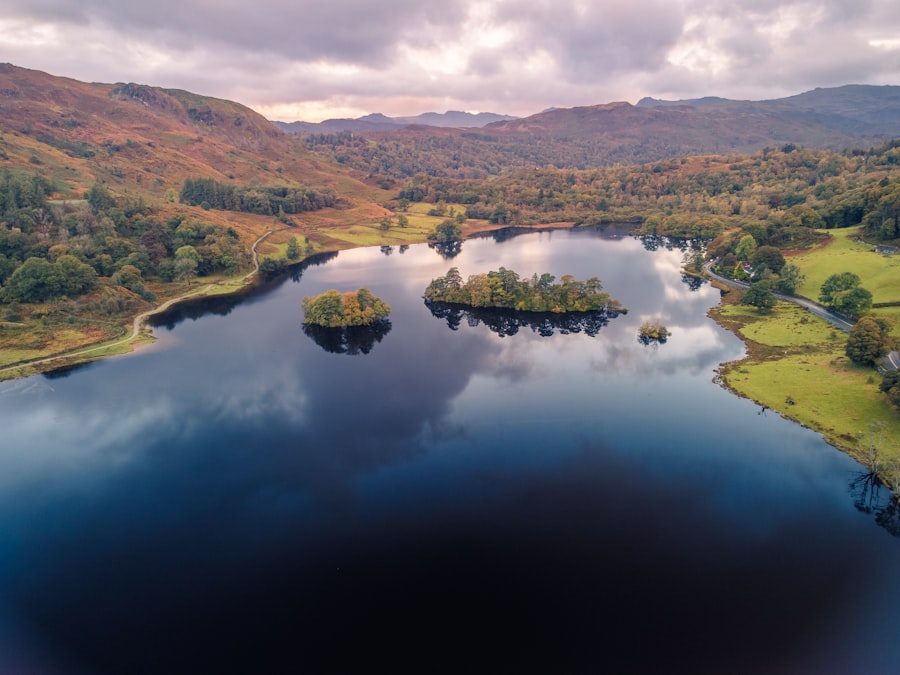
The landscape of the Newlands Valley is the landscape of the story. The steep fell sides above the valley, the small stone farms on the valley floor, the cloud that sits on the summit ridge in wet weather and lifts suddenly to reveal clear sky — this is the setting that Potter imagined for Mrs Tiggy-Winkle's washing house, and it is a real place that can be visited.
On the 8 Lakes tours, your expert storyteller will point out the Newlands Valley as you pass above it on the approach to Derwentwater, and explain the connection to the story.
The washing scenes in The Tale of Mrs Tiggy-Winkle are among the most detailed and botanically precise in all the Potter books. The clothes being ironed are identifiable by species — the robin's red waistcoat, the prickly pincushion, the "some lovely white pocket-handkerchiefs with embroidered corners" — and the setting of the washing house, with the stone walls and the press and the tiny window, is drawn with the accuracy of someone who had been inside many such buildings.
The flora in the background of the illustrations is the flora of the Newlands Valley fell — the specific grasses, the heather edge, the limestone cobbles at the path edge. Beatrix Potter did not invent a generic Lake District background for her illustrations. She drew specific places in specific seasons with specific plants, and the illustrations are a detailed record of the landscape as she knew it.
Mrs Tiggy-Winkle is one of the most engaging entry points into the Potter stories for younger children — the washerwoman character, the domesticity of the laundry scenes, the relationship with Lucie. Children who love the book find the Newlands Valley setting genuinely satisfying: the fell sides are recognisably the fell sides of the story, the little church is there, and the possibility of a hedgehog in the woodland at the valley edge is real.
Red squirrels are present in the woodland at Tarn Hows and Grizedale, within reach of the Near Sawrey and Hill Top visit. Seeing a real red squirrel on the same morning as visiting Hill Top is, for most children, the finest possible combination.
The Mrs Tiggy-Winkle landscape of the Newlands Valley is seen on the 8 Lakes Morning Tour. Hill Top and the Near Sawrey landscape are on the Beatrix Potter Hidden Country morning tour.
Part of our complete guide to Beatrix Potter in the Lake District.