Blog · Wildlife Westmorland Dales
← Back to Blog
Smardale Gill, near Kirkby Stephen in the Westmorland Dales, is the kind of reserve that people fall for precisely because nobody told them about it. A wooded limestone gorge, a disused Victorian railway line to walk along, a magnificent viaduct, red squirrels in the trees — and a butterfly found at only two sites in the whole of England.
It is a National Nature Reserve cared for by Cumbria Wildlife Trust, and it is as quiet on a summer weekday as the honeypot Lakes are busy.
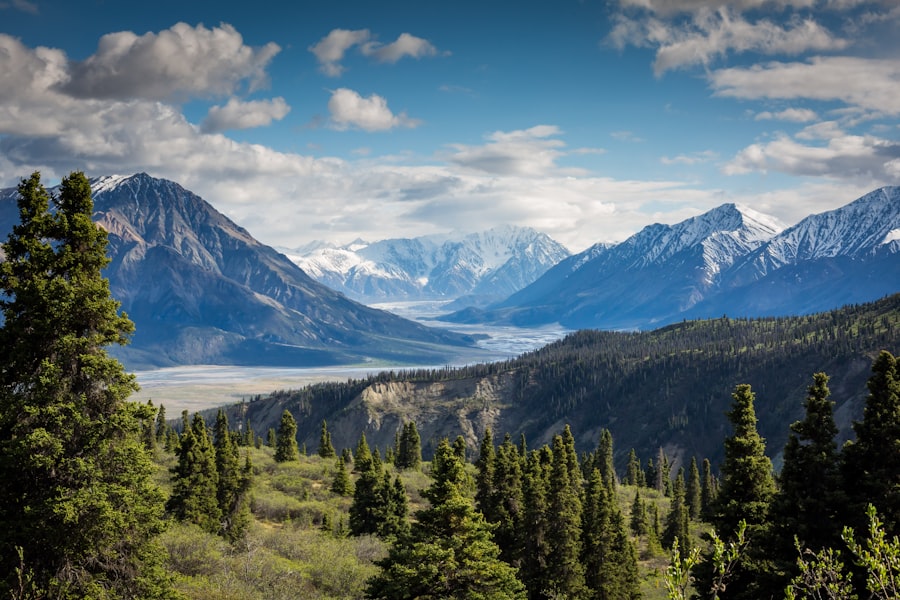
The path through the reserve follows the trackbed of a Victorian railway built to carry coke across the Pennines towards the ironworks of Furness. The line closed in the twentieth century; what remains is a perfectly graded, level walking route through a steep-sided gill that would otherwise demand real effort.
Partway along stands Smardale Gill Viaduct — fourteen arches of local stone carrying the old line high above the beck. It was saved from demolition and restored, and you walk straight across the top of it, with the gill falling away below and the fells of the Westmorland Dales all around. It is one of the finest short walks in the county that almost no first-time visitor has heard of.
Smardale's most famous resident is the Scotch argus — a dark, velvety-brown butterfly of northern grasslands which, in England, flies at just two sites: here and at Arnside Knott near Silverdale. At Smardale it flies over the flower-rich limestone grassland along the old railway in late July and August, sometimes in remarkable numbers on warm, still mornings.
The grassland that supports it is a show in its own right through the summer — betony, knapweed and scabious among the limestone flora, with common blue, dark green fritillary and other butterflies alongside the star species.
Red squirrels live in the gill's woodland — this corner of Cumbria remains one of their strongholds, as we've written about elsewhere. Roe deer browse the woodland edges. Buzzards ride the updraughts over the gorge, and in spring the woods hold pied flycatcher and redstart song.
Late July–August — Scotch argus season; the reason lepidopterists cross the country. Warm, calm mornings are best.
May–June — woodland birds in full song, early limestone flowers, and the reserve at its greenest.
Autumn — colour in the gill woodland and the viaduct at its most photogenic in low light.
How long is the walk?
From the reserve entrance to the viaduct and back is a comfortable, level walk of around three miles in total, on a good track. You can go further along the old line if the day invites it.
Why is the Scotch argus only found at two English sites?
It is a northern species at the edge of its range, needing a particular combination of tall, tussocky grassland and the right grasses for its caterpillars. Very few English sites still provide it; Smardale does.
Where is Smardale Gill?
Just west of Kirkby Stephen, in the Westmorland Dales — the north-western extension of the Yorkshire Dales National Park. It pairs naturally with the Eden Valley or a Dales day.
Smardale is a natural stop on a bespoke Westmorland Dales or Eden Valley day — quiet, level walking and wildlife that genuinely cannot be seen together anywhere else. Ask us about building it into a day.