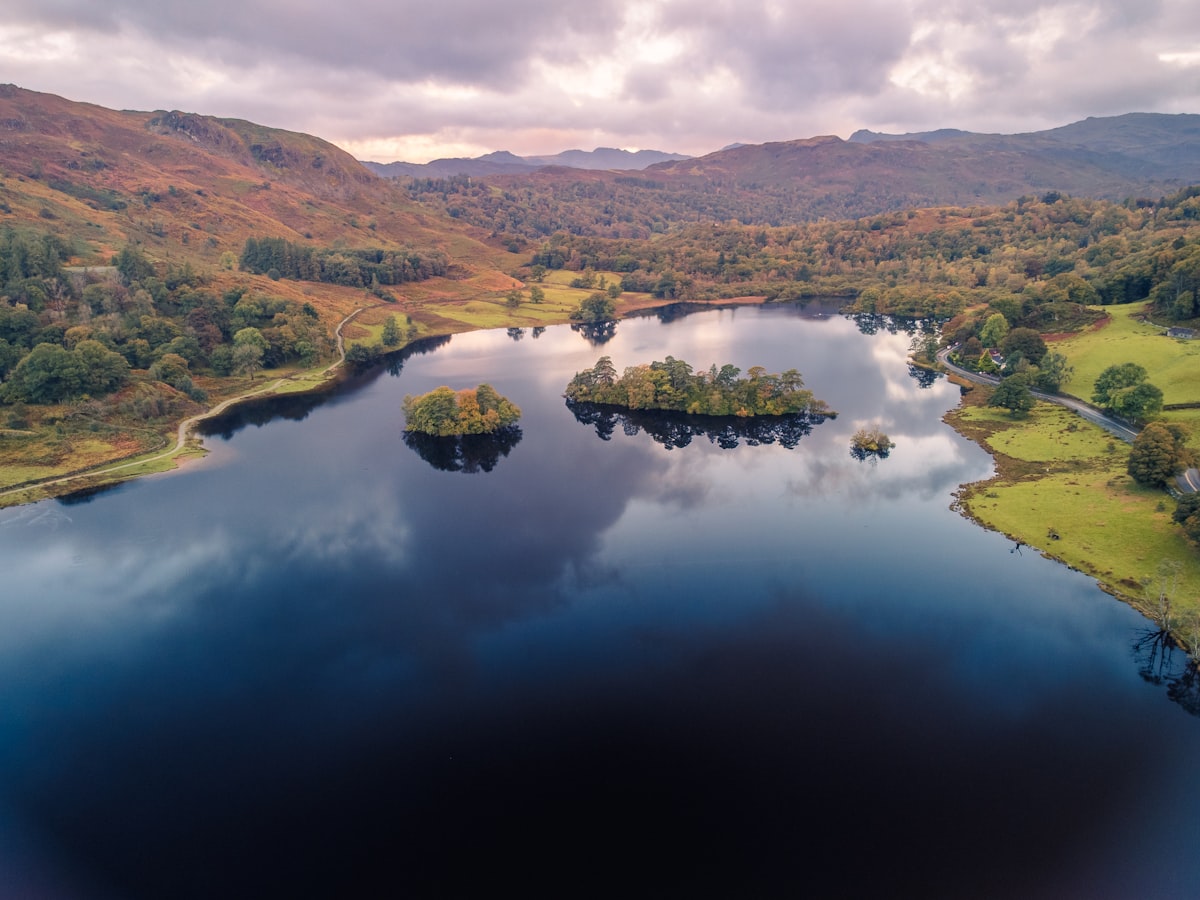
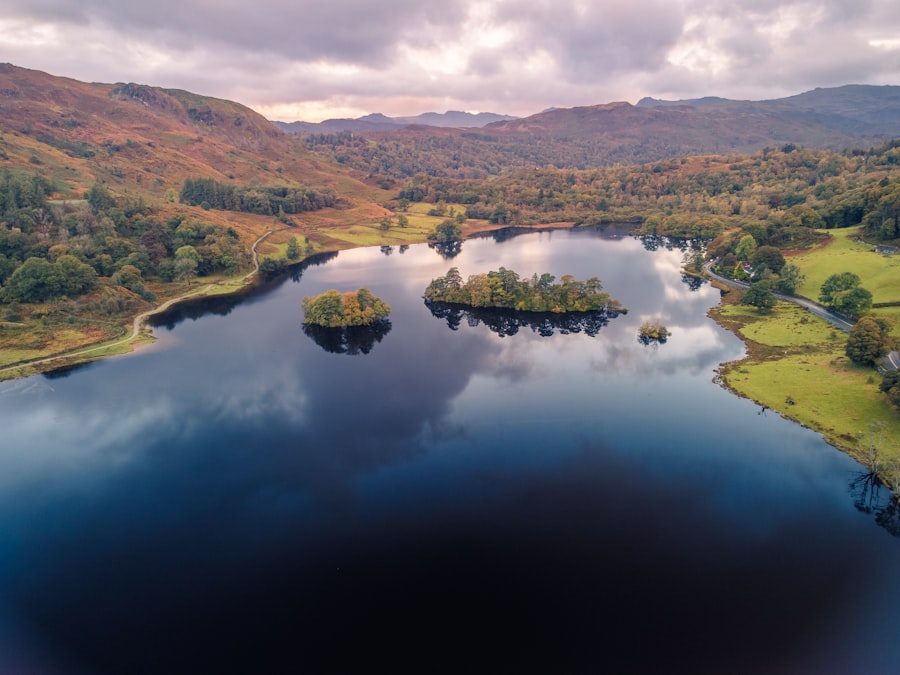
The Lake District has been continuously occupied for approximately ten thousand years — from the Mesolithic hunter-gatherers who camped in the valleys after the ice retreated, to the Neolithic farmers who built Castlerigg, to the Bronze Age metalworkers, the Iron Age Brigantes, the Romans, the Norse settlers, the medieval farmers and the 18th-century tourists who came looking for the picturesque sublime and found it.
This is an unusually deep human history for a relatively small area of upland. The reason is the landscape itself: the Lake District sits at the intersection of several important routes — the Irish Sea to the west, the Pennine passes to the east, the northern routes to Scotland — and its upland pastures, woodland and water resources made it valuable in every period of human settlement.
A bespoke history day can be built around any period — or can attempt the whole sequence, reading the landscape as a series of overlaid histories that are all simultaneously present in what you see.
Castlerigg Stone Circle (3000 BCE) is the most accessible and most dramatic Neolithic monument in the Lake District, but it is not the only one. The stone circles of the Penrith area — Mayburgh Henge, the King Arthur's Round Table earthwork, the Long Meg and Her Daughters circle — represent a concentration of Neolithic and Bronze Age ceremonial activity that suggests the Eden Valley was a major centre of organised society in this period.
The Langdale Axe Factory — the Neolithic site high on the Pike of Stickle fell in Great Langdale, where a particular kind of fine-grained volcanic rock was quarried and worked into axe heads that have been found across Britain and Ireland — demonstrates that the Lake District was not an isolated backwater but an active participant in the long-distance exchange networks of prehistoric Britain. Axes made here were found in Orkney, in Ireland, in southern England. The quarry workers were not primitive subsistence farmers. They were specialised craftsmen serving a wide market.
See our full account of the Roman Lake District in the blog post.
In summary: the forts at Galava (Ambleside), Hardknott and Ravenglass represent the north-western edge of Roman military occupation. The roads that connected them — including the remarkable High Street fell road — are still walkable. A bespoke Roman day covers all three sites and explains the experience of the Roman soldiers stationed in this challenging and remote environment.
The Norse settlers of the 9th–11th centuries are the invisible presence in the Lake District landscape — invisible because they built in wood and left few above-ground traces, but omnipresent in the place names, the farming patterns and the sheep breeds that are their legacy.
A bespoke Norse day reads the landscape through the names — the fells (fjall), the becks (bekkr), the tarns (tjörn), the thwaites (cleared land) — and explains the farming system the Norse settlers established, which is substantially the farming system still operating in the Lake District today. The Herdwick sheep, the heafted flocks, the intake walls, the pattern of valley-floor hay meadow and open fell grazing: all of this has Norse origins.
The medieval Lake District was shaped by two powerful forces: the monasteries and the border threat. The Cistercian monasteries of Furness Abbey (near Barrow) and Shap Abbey (in the Eden Valley) controlled large tracts of Lake District grazing land, operated the wool trade that was the main source of income from the upland, and maintained the farming infrastructure that the Norse settlers had established.
The border threat — the raids and incursions from Scotland that were a near-constant reality from the 12th century to the late 16th century — produced the peel towers (Sizergh, Levens, dozens of smaller examples across the region) that are the characteristic defensive architecture of the area.
A medieval bespoke day might cover: Furness Abbey (the finest monastic ruin in the Lake District area, outside the park near Barrow), Sizergh Castle and its great hall, and the Kendal Castle ruins above the town.
The Lake District was an industrial region long before the tourists arrived. Copper mining in the Borrowdale Valley and above Coniston, slate quarrying at Honister and Kirkstone, charcoal burning throughout the woodland valleys, gunpowder manufacture at mills on the rivers — the Lake District economy before tourism was based on extraction and manufacturing.
The industrial heritage is often invisible to casual visitors — the mines are sealed, the charcoal hearths are grown over, the gunpowder works are demolished — but the evidence is there in the landscape for anyone who knows what to look for.
Interested in a Lake District history bespoke day? Contact us to start the conversation.
More bespoke tour themes:
Approximately ten thousand years, from Mesolithic hunter-gatherers through to the present day.
Mayburgh Henge, the King Arthur's Round Table earthwork, and the Long Meg and Her Daughters circle, all in the Penrith area.
A Neolithic site high on Pike of Stickle in Great Langdale, where a particular volcanic tuff was quarried to make stone axes traded across Britain and Ireland.