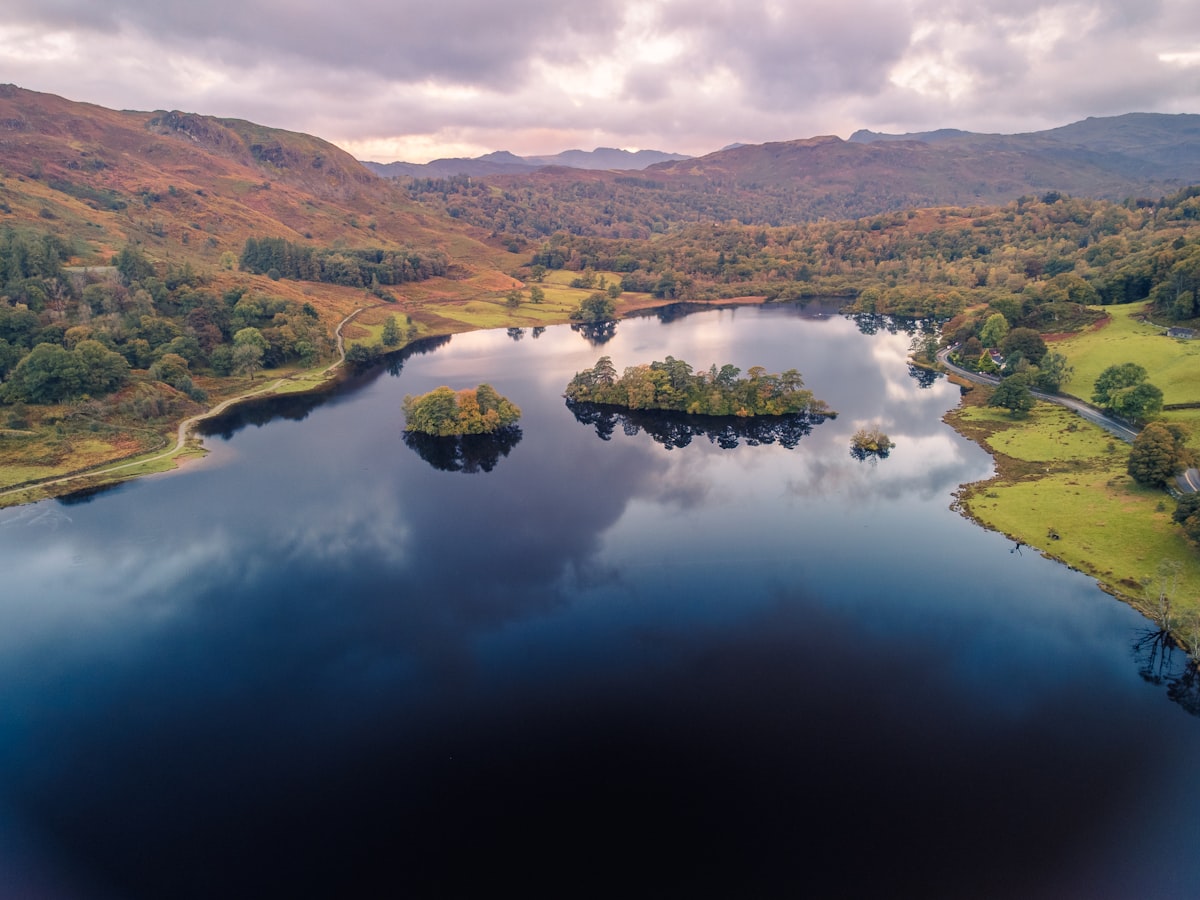
Wharfedale is the most complete of the Yorkshire Dales. It has everything: dramatic limestone scenery at Malham, industrial heritage at Grassington, the finest ecclesiastical ruin in the north of England at Bolton Abbey, a gorge at The Strid narrow enough to jump across (though the attempt has been fatal many times), and valley floor limestone meadows of the kind that have disappeared from almost everywhere else in Britain.
It runs from the high moorland of Langstrothdale in the north-west — the source of the Wharfe — south and east through Buckden, Kettlewell, Grassington, Burnsall and Ilkley before entering the Vale of York at Otley. The full length of the dale is approximately 30 miles; the main Dales section, between Buckden and Bolton Abbey, is the most varied and the most rewarding.
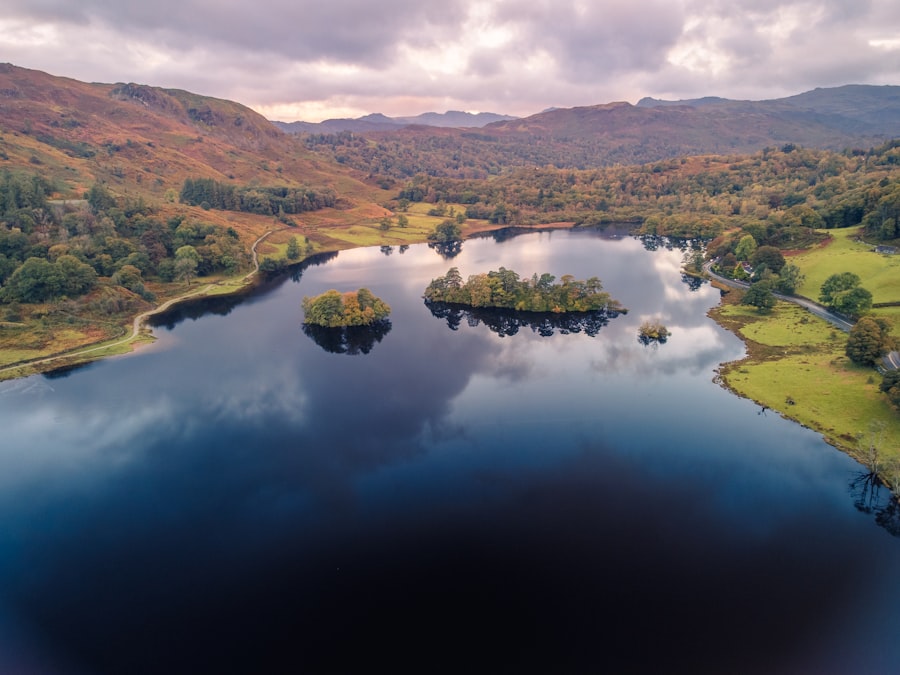
Above Grassington, the dale takes on the character of the high Dales — narrow, steep-sided, the limestone scars on the valley sides, the villages built tight against the hillside for shelter. Kettlewell is the main village of the upper dale: small, stone-built, gathered around a beck that runs through the centre of the village. Above the village, the road climbs over Tor Mere Top towards Coverdale — a pass that offers exceptional views back down the dale.
Buckden, at the head of the navigable dale, is the last village before the valley head. The road beyond continues to Hubberholme (a tiny hamlet with a Norman church and the pub where J.B. Priestley — born in Bradford — spent New Year's Eve every year for thirty years) and into Langstrothdale.
Grassington is the market town of Wharfedale and its social and commercial centre. The cobbled square, the independent shops and cafés, the surrounding farmland immediately accessible on foot — it is one of the finest bases in the Dales for a multi-day stay.
The moors above Grassington preserve one of the most complete Roman-period and medieval field systems in the Dales, visible as humps and ridges in the pasture. The lead-mining landscape further above is equally well preserved.
Approximately two miles above Bolton Abbey, at a section of the Wharfe known as the Strid, the river is compressed from its normal width of approximately 30 metres to a channel of approximately 1 metre — a passage through the limestone rock where the full force of the river runs in a narrow jet. The current at the Strid is among the most powerful in England, and the rocks on both sides are undercut below the water surface, meaning that anyone who falls in cannot easily exit.
The Strid has been killing people for centuries. The narrow gap is tempting to jump and has been jumped successfully by thousands of visitors. But the record suggests that anyone who misses the jump does not survive it.
The Strid is one of the strangest places in the Dales — beautiful, disturbing and completely unguarded. Approach it with the respect it deserves.
The Augustinian priory of Bolton Abbey was founded in 1155 and partially dissolved in 1539. What remains — the nave of the church (still in use as the parish church of Skipton), the ruined east end and tower, and the extensive priory grounds on a bend in the River Wharfe — is one of the finest abbey ruins in England.
The setting is exceptional: the ruins rise from a broad, flat area of greensward beside the river, with the Wharfe curving around it and the dale rising on both sides. Turner painted Bolton Abbey repeatedly; Ruskin wrote about it; Wordsworth wrote a poem about the legend of the Boy of Egremond.
The Duke of Devonshire's estate owns the Bolton Abbey estate and manages it as a visitor destination, with an entrance fee for the estate grounds. The church is always free to enter.
Wharfedale and the Dales landscape can be explored in depth on a bespoke tour.
More from the Yorkshire Dales:
Approximately 30 miles, from Langstrothdale in the north-west to the Vale of York at Otley.
A narrow gorge on the River Wharfe near Bolton Abbey, narrow enough to look jumpable but which has proved fatal to many who have tried.
Kettlewell, a small stone-built village gathered around a beck.