Guide Lake District
← Back to Guides
The Prelude is the longest poem Wordsworth wrote, the most important poem of English Romanticism, and the one that is most directly about the Lake District. It is also, for many readers, the one most likely to be left unfinished on the bedside table. This guide is intended to help.
Not because the poem is difficult. The blank verse is lucid, the argument is clear, and large sections of it are immediately and straightforwardly beautiful. The problem is that the Prelude is long and episodic, and modern readers accustomed to poems that make their point quickly need to adjust their speed. The Prelude is a poem you walk through, not a poem you read past. The Lake District helps.
The Prelude is an autobiographical poem in blank verse — unrhymed iambic pentameter — describing the growth of a poet's mind from childhood to maturity. Wordsworth worked on it throughout his adult life, starting a version in 1798, completing a 13-book version in 1805, and revising it substantially in the 1830s and 40s. It was published posthumously in 1850, the year of his death, with the title chosen by Mary Wordsworth. During his lifetime he referred to it simply as the poem to Coleridge, because it was written as a kind of extended letter and argument addressed to his friend.
The subject is Wordsworth himself — specifically, the forces that shaped him as a poet. He identifies these forces as primarily natural: the landscapes of the Lake District, encountered in childhood and adolescence, which educated his imagination in ways that no formal schooling could. The poem is, among other things, a sustained argument for the moral and creative significance of growing up in a particular kind of place.
The most important concept in the Prelude is what Wordsworth calls spots of time — specific remembered moments from childhood that have a disproportionate formative power over the imagination. He identifies several of these in Books 1 and 2, all of them set in the Lake District.
Stealing a boat — the young Wordsworth rows out onto a lake at night, taking a boat that is not his. A fell seems to rise and stride after him. He returns the boat and is disturbed for days by something he cannot name.
Skating — winter evenings on frozen Esthwaite Water, skating with friends until late. When he suddenly stops, the world seems to keep turning around him.
Nutting — a childhood expedition to gather hazelnuts, ending in a kind of violence against the woodland, followed by something like shame.
The Simplon Pass — not the Lake District, but a crossing of the Alps in which Wordsworth experiences what he later calls the Sublime — an encounter with a landscape so overwhelming that the imagination fails and then is enlarged by its failure.
These episodes are not interesting because they are dramatic. They are interesting because of what Wordsworth does with them — the way he analyses their effect on his development and argues that such encounters with wild nature are the most important education a child can receive.
If you read only one section before your visit, read Book 1 (the childhood episodes) and the skating passage from Book 1 lines 425–488. If you have more time, add the Simplon Pass episode in Book 6 and the Climbing Snowdon episode that opens Book 13/14 depending on which version you are reading. These four passages give you the core argument and the finest writing.
For the 1805 text, the Oxford World's Classics edition edited by Jonathan Wordsworth is the standard scholarly choice. The 1850 text is also available in many editions; the differences are significant but not so significant that a general reader needs to compare them.
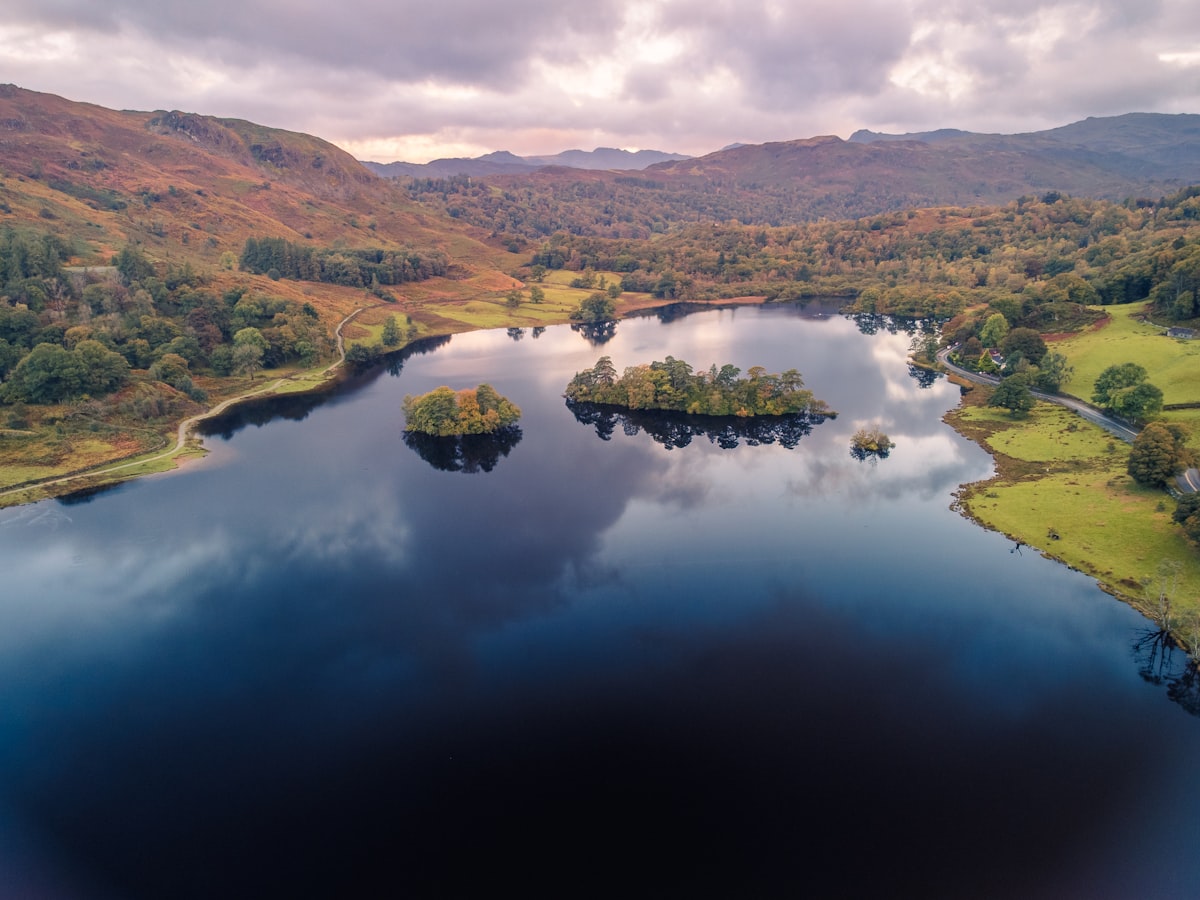
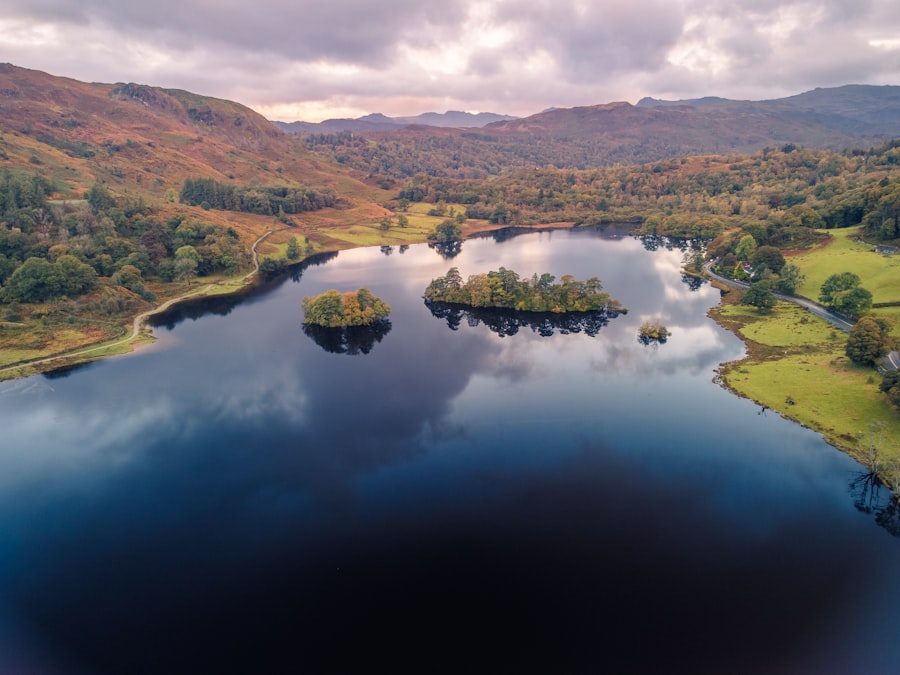
On our Wordsworth tours, your expert storyteller reads sections of the Prelude at the locations they describe — the view from Dove Cottage garden, the path above Rydal Water, the shore at Grasmere — and explains the argument they are making. This transforms the poem from words on a page to a specific account of specific places you are standing in.
Most guests who have read the Prelude find the tour deepens what they already understood. Most guests who have not read it find the tour makes them want to read it. Both outcomes are the right ones.
Our Wordsworth Morning Tour and Wordsworth Afternoon Tour are led by Gillian, whose specialism is the Romantic period. Maximum seven guests.
More literary Lakeland:
Throughout his adult life — starting a version in 1798, completing a 13-book version in 1805, and revising it substantially in the 1830s and 40s.
Posthumously in 1850, the year of Wordsworth's death, with the title chosen by his wife Mary.
Simply "the poem to Coleridge," since it was written as an extended letter and argument addressed to his friend.