Journal Lake District
← Back to Journal
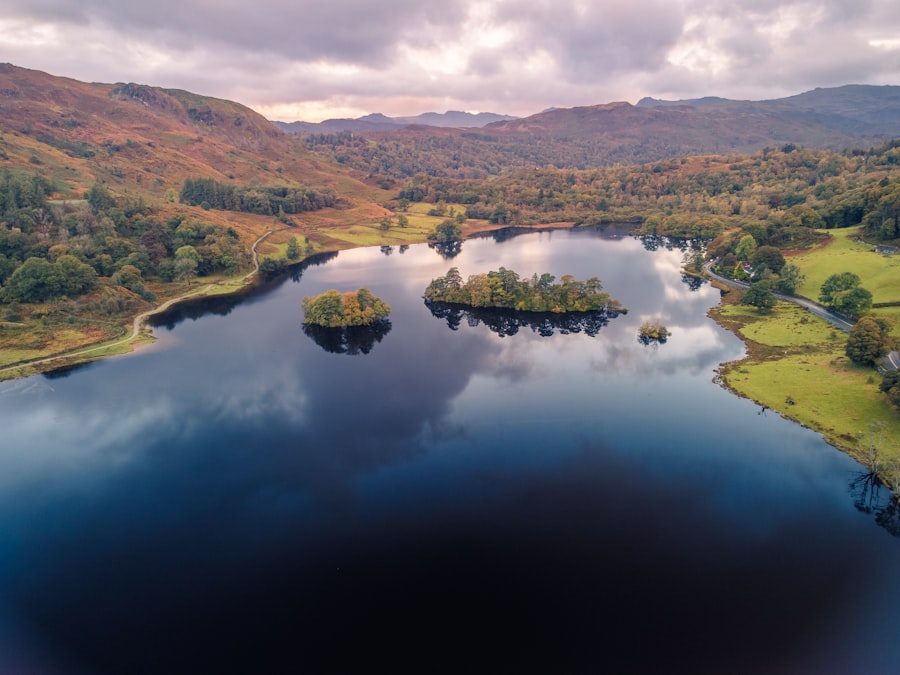
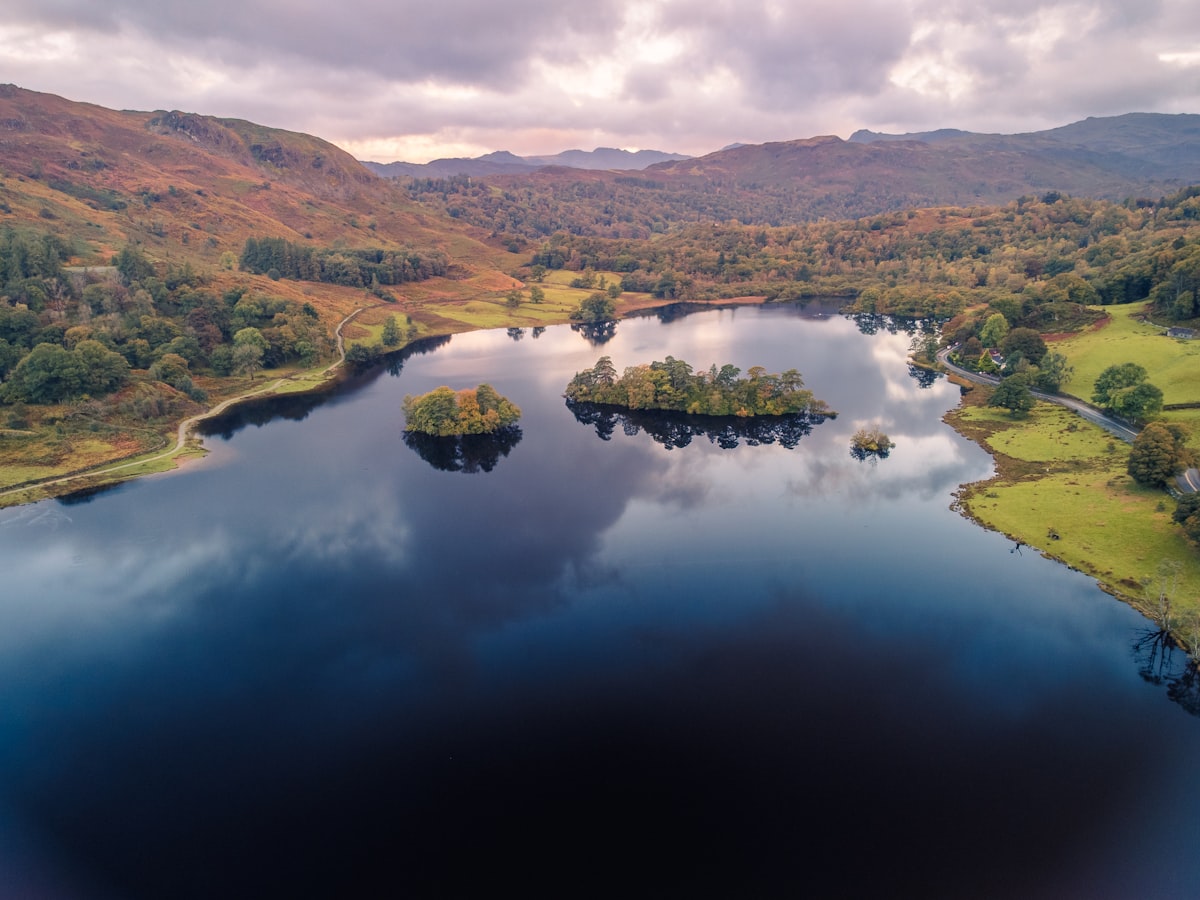
I want to tell you something about the experience of travelling through the Lake District with a group of people who are paying close attention.
It changes what you see.
Every tour we run covers the same ground — the same roads, the same viewpoints, the same lakes and fells — and yet no two tours are the same, because the landscape is not the same twice. The light changes. The weather changes. The season advances. And the particular combination of people in the vehicle changes what gets noticed, what gets asked and what gets understood.
On a tour last October, a guest who turned out to be a retired geologist pointed at the exposure of pale rock in the road cutting above Thirlmere and said: that's the boundary, isn't it. He meant the geological boundary between the Borrowdale Volcanic Group and the Skiddaw Slates — the line between the two ancient rock systems that defines the character of the central and northern Lakes. Yes, I said. That's exactly it. And then the conversation went somewhere that had never happened in that exact form before, and everyone in the vehicle understood something about the landscape they were driving through that they would not have understood otherwise.
This is what a small group makes possible.
I point out things that are invisible unless you know what to look for. The shape of a valley that tells you the glacier was here, came this far, and left this moraine. The line of darker rock on the fell side that marks the copper ore seam the Elizabethans mined. The ancient wood pasture at the valley edge — different in character from the surrounding farmland, the trees older and more widely spaced, the ground flora richer — that is the last remnant of the wildwood that covered the valley floor before farming. The farmhouse with the peel tower incorporated into the barn, the defensive architecture absorbed into the agricultural.
The Lake District is a landscape with enormous depth of information embedded in it. Most of it is invisible at first glance and apparent at the second, once you know what the first glance missed.
By the end of a tour — four hours on a half-day, nine hours on a full day — most guests are seeing the landscape differently from how they were seeing it when they got in the vehicle. Not in a dramatic or transformative way. In the way that happens when someone shows you the pattern that was there all along.
People tell us, fairly often, that they look out of the window differently when they drive through unfamiliar landscape now. That they notice the shape of valleys and ask themselves: glacier? That they read the vegetation and ask: ancient wood? That they see a farmhouse with a particular profile and think: peel tower?
That is what we are trying to give people on every tour. The landscape becomes legible.