Journal · Places Yorkshire Dales
← Back to Journal
The Yorkshire Dales sit between the Lake District and the North York Moors, and most visitors to the north of England treat them as the bit in between — the landscape you cross on the way to somewhere else, seen from the A65 or the M6. This is a significant misreading of what they are.
The Dales are not a transitional landscape. They are a destination. One of the finest in England.
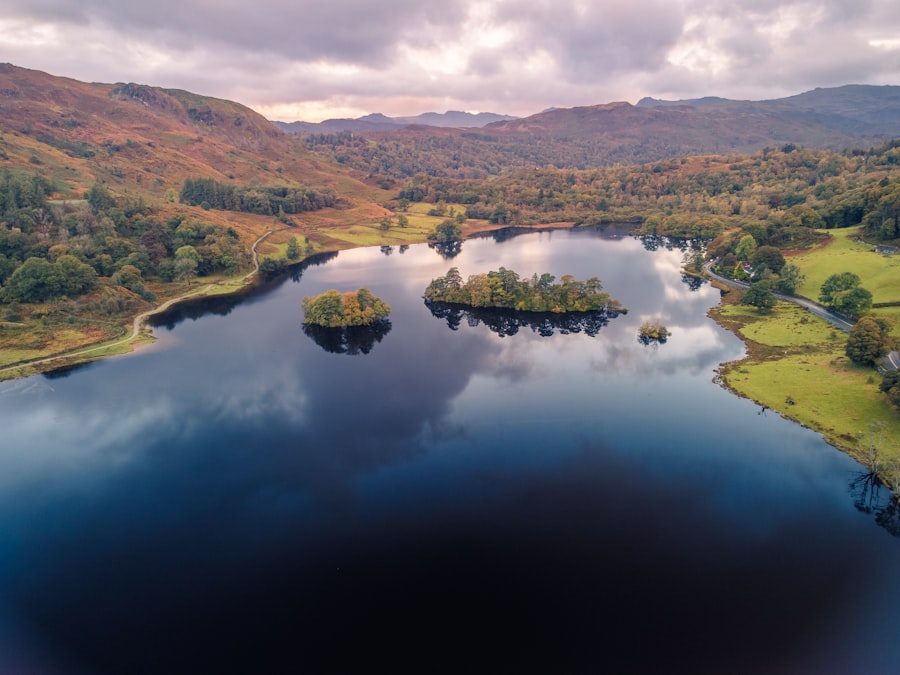
The Lake District is about scale and drama: the big fells, the long lakes, the sense of being in a landscape that dwarfs you. The Dales are about detail and depth: the hay meadows with a hundred plant species per hectare, the lead mining ruins on the moor above Swaledale, the field barns one per field for thirty miles up Wensleydale, the Strid where the whole force of the Wharfe passes through a metre-wide gap in the limestone.
Both landscapes reward attention. The Dales reward a different kind of attention than the Lakes — more horizontal, more patient, more interested in what is happening at ground level than in the view from the ridge.
The Dales are a working agricultural landscape in a way that is increasingly rare in Britain. The farms are small, the fields are managed on traditional principles and the farmers who work them are doing so, in many cases, in ways that have not changed substantially in three hundred years. This is not nostalgic preservation — it is economic reality, combined with agri-environment funding that makes traditional practice financially viable.
The result is a landscape that looks old because it is old. The field patterns, the dry stone walls, the field barns and the hay meadows are not recreations. They are the thing itself, still functioning.
A drive through Wharfedale or Wensleydale gives you the shape of the thing — the valley, the limestone scars, the villages. A day in the Dales with a guide who knows the farming heritage, the geology, the wildlife and the literary connections gives you the story. The difference is the difference between a photograph and an understanding.
The Dales do not announce themselves. They reveal themselves, slowly, to people who pay attention. They are best experienced in company with someone who can tell you what you are looking at.
Contact us to discuss a Yorkshire Dales bespoke tour from Windermere.
The Lakes are about scale and drama — big fells and long lakes; the Dales are about detail and depth — hay meadows, lead mining ruins and field barns.
Up to a hundred species per hectare on the finest meadows.
A point on the River Wharfe where the whole force of the river passes through a metre-wide gap in the limestone.