
Guide · Planning Lake District
← Back to Guides
The honest answer to "when is the best time to visit the Lake District?" is that there is no single best time — only different bests, depending on what you are looking for. The Lake District in July is green, warm and very busy. The Lake District in October is golden, quieter and often spectacular. December is dark, occasionally snowy, usually uncrowded, and entirely different from summer.
This guide covers every month with an honest account of what to expect.
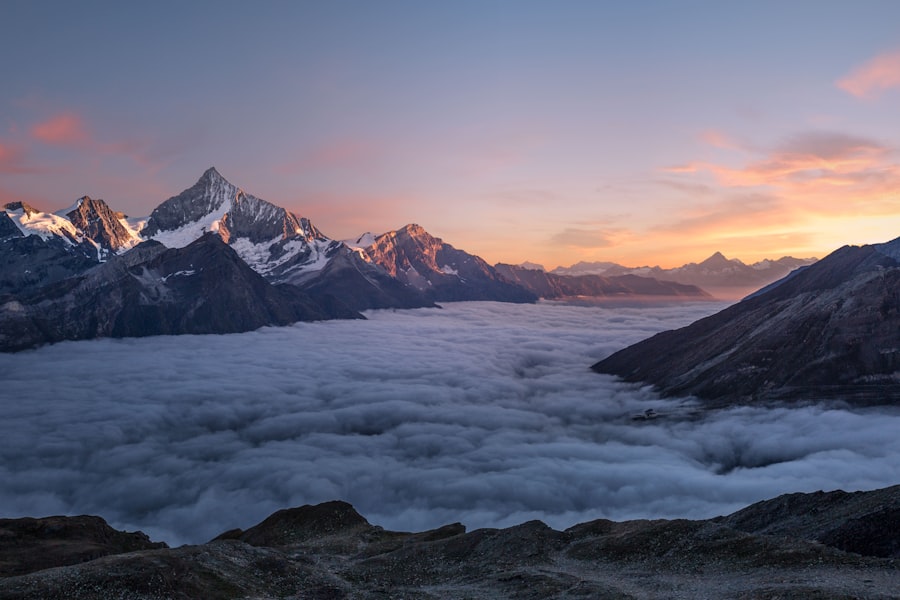
The quietest months of the year. Visitor numbers are at their lowest. Car parks are largely empty. The days are short — sunrise around 8am, sunset around 4-4.30pm — but the light is low and often beautiful.
The landscape in January and February has a stark quality that summer hides: the bare deciduous woodland on the valley sides, the dark fell profiles against the sky, the occasional snow on the higher ground. Derwentwater in winter mist is one of the finest atmospheric experiences the Lake District offers.
Practical: Most accommodations and restaurants remain open. Some seasonal attractions have reduced hours.
Wildlife: Overwintering birds on the lakes — wigeon, teal, goldeneye, goosander on Derwentwater and Ullswater. Red squirrels at feeding stations. Occasionally spectacular hoar frost in still conditions.
The transition month. The days lengthen noticeably. By mid-March the snowdrops are over and daffodils appear in the valley gardens and along the lakeshores. The birds begin to sing. The air has a different quality.
March is an excellent time to visit — visitor numbers are still low, the light is improving rapidly, and the first signs of spring make the landscape feel alive in a way that January and February do not.
Wildlife: Ospreys begin returning to Bassenthwaite Lake from mid-March. Curlews arrive on the Pennine moors from the coast. Red deer begin to be seen more frequently on the lower fells.
One of the best months. The daffodils are past in the valley gardens but the wild daffodils — shorter, paler, more refined than the cultivated varieties — are at their peak in the traditional Daffodil Country of the Eden Valley and on the banks of Ullswater (the area immortalised in Wordsworth's poem). Dora's Field in Rydal is at its best in the first two weeks of April.
The Lake District in April has low visitor numbers on weekdays and significantly higher numbers on the Easter weekend, which should be planned around.
Wildlife: Ospreys active on Bassenthwaite. Spring migrants arriving. Curlew and lapwing displaying on the upland.
The month that experienced Lake District visitors often rate as their favourite. The fellsides are the fresh, intense green of new growth. The bluebells are at their peak in the ancient woodland. The days are long. The crowds have not yet arrived in summer numbers.
May is consistently one of the most beautiful months in the Lake District. The combination of long days, good light, green fells and lower visitor numbers (than July and August) makes it an exceptional time to visit.
Wildlife: Bluebells in the ancient woodland. Ospreys active. Spring migrants including pied flycatcher, redstart and wood warbler in the sessile oak woodland. Red squirrels most active.
Long days — the longest, at the solstice, with sunrise around 4.30am and sunset around 10pm. The Lake District in late June evening light is extraordinary.
June visitor numbers are lower than July and August. The landscape is fully green and the weather is on average the sunniest month of the year in the Lake District.
Wildlife: Ospreys active; chicks hatching at Bassenthwaite in late June. Peregrine falcons fledging. All breeding birds active and visible.
Peak season. The lakes are at their warmest, the days are long, the landscape is at its most intensely green. This is when the Lake District is most visited and most crowded.
July and August are perfectly good months to visit, but the practical challenges — full car parks, longer queues at attractions, higher accommodation prices — are real. If your dates are fixed in summer, arrive early (before 9am at the most popular sites), use the bus where possible and consider a guided tour to avoid the logistics entirely.
Practical: Book accommodation well in advance. Expect car parks to fill quickly on weekends.
The most consistently recommended month by people who know the Lake District well. The school holidays end in early September and the visitor numbers drop noticeably within days. Car parks become accessible. Queues at Dove Cottage and Grasmere Gingerbread shorten.
The bracken begins to turn on the upper fells in September — the first bronze and copper of the coming autumn. The days are still long (sunset around 7.30pm at the beginning of the month). The light has the particular quality of the autumn sun, lower in the sky and warmer in colour.
Wildlife: Autumn migration begins. The osprey family at Bassenthwaite begins to disperse south in late September.
Autumn colour. The third week of October is the peak of the combined bracken-and-woodland display — deep copper on the fells above, gold and orange in the woodland below, the reflections in the lakes at their most spectacular.
October visitor numbers are moderate — significantly lower than summer, higher than winter. The experience of visiting in October — the colour, the light, the quieter roads — is consistently excellent.
See our guide: The Lake District in Winter.
In brief: quieter than any summer month, occasionally spectacular, always different from what visitors who have only been in summer expect. Recommended without reservation.
Our tours run year-round. See all tours and book here.
Planning your trip? Keep exploring:
January and February, when visitor numbers are at their lowest and car parks are largely empty.
Sunset is around 4 to 4:30pm, with sunrise around 8am.
Overwintering birds including wigeon, teal, goldeneye and goosander on Derwentwater and Ullswater.