- The method
- Swappable days, not fixed ones
- Golden rule
- Weather-dependent priorities go early in the trip
- Forecast horizon
- Useful within three days; a mood beyond that
- Our tours
- Run in almost all weathers
- Rain
- Normal in every month — and the author of the landscape
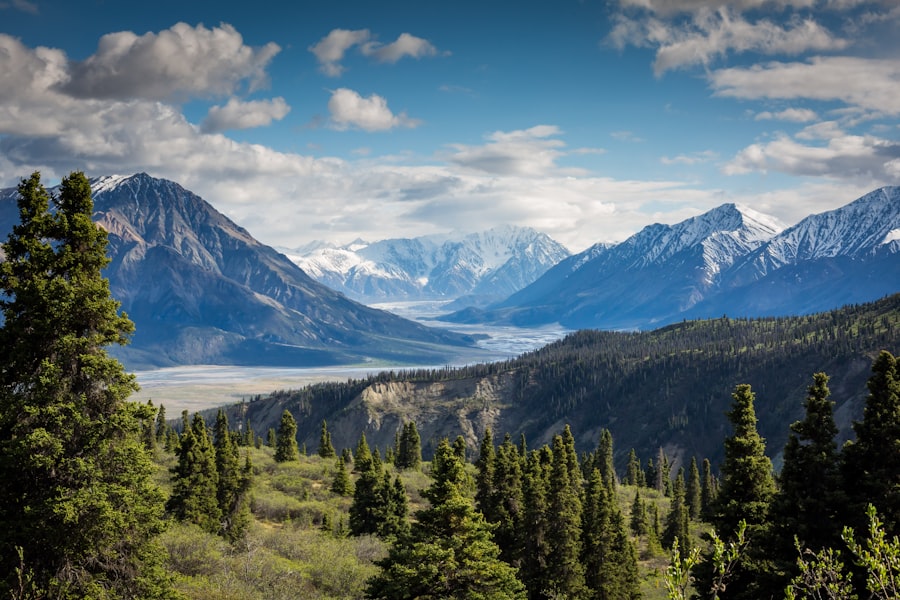
The short version: you cannot plan the Lake District's weather, but you can absolutely plan for it — and the visitors who do have measurably better trips. The method: design swappable days rather than fixed ones (a big-view day, a valley day, a water day, an indoors-leaning day), deal them out as the week's sky declares itself, put your most weather-dependent priority early in the trip, and learn the two or three sky-reading habits that tell you more than an app icon ever will. Rain here is not a malfunction; it is the author of everything you came to see.
Meteorology is one of my subjects, and guiding in the Lakes is a continuous field seminar in it. Let me try to compress years of watching this sky into a planning guide — because the difference between visitors who fight the weather and visitors who work with it is the difference between a compromised week and a magnificent one, in the exact same conditions.
First, the honest facts
The Lake District is among the wettest inhabited country in England — Seathwaite in Borrowdale is regularly cited as the wettest inhabited place in the country — because the fells stand first in line against Atlantic air, forcing it upward and wringing it out. That same process is why the lakes exist, why the becks run, why the greens are the greens they are. Two consequences matter for planning. One: rain is normal in every month, so a trip that only works if it stays dry was never a plan. Two: the weather is intensely local and fast-moving — one valley drowns while its neighbour basks, and a filthy morning becomes a shining afternoon with routine frequency. Both facts are exploitable, and exploitation is the whole game.
The swappable-days method
Instead of assigning activities to dates, build a small repertoire of day-shapes and hold the assignment until the sky commits. A workable week's repertoire: a big-view day (passes, panoramas, the photographs you came for) to spend on the clearest forecast; a valley day (low routes, woods, waterfalls — which are never better than in the wet); a water day (boats run in most weathers, and a lake under moody cloud is arguably the superior lake); an indoors-leaning day (houses, museums, long lunches — our rain guide is effectively this day's menu); and a flex day with nothing assigned at all. Deal the big-view day onto the best sky, the valley and indoor days onto the worst, and the week becomes weatherproof without a single booking cancelled.
Sequencing: the early-priority rule
Whatever your trip most depends on the sky for — the famous viewpoint, the pass, the boat, the photograph — schedule it in the first half of the trip. Early placement means a grey day merely reshuffles it; late placement gives it no escape route. This one rule quietly rescues more trips than any other, and it costs nothing. (It is also, not coincidentally, mistake number six in our itinerary-mistakes guide.)
Reading the sky like a local
Three habits repay the visitor immediately. Watch the tops: cloud lifting off the summits through the morning is the classic signature of an improving day — the reverse, descending cloud shutting the fells away, says bring the valley day forward. Feel the wind's direction: our weather arrives mostly from the west and south-west, so a westerly sky is tomorrow's news; a rare spell from the east often means settled, clear and cold. Respect the showers-versus-rain distinction: a showery forecast is not a wet day — it is a dry day with wet interruptions, and some of the finest light you will ever see lives in the gaps between showers. Half the drama of this landscape is weather caught in the act.
What weather should never cancel
Almost nothing, honestly. Waterfalls demand rain; woods are cathedral-like in it; villages, houses and tearooms are immune; the boats sail on. Our own tours run in almost all weathers — if conditions require modifying a route we let guests know the evening before, and in the rare extremes we cancel with a full refund or transfer — precisely because years of guiding have taught us that a well-designed day does not need permission from the sky. The only plans that genuinely require fair weather are high-fell walking and the biggest panoramas, which is exactly why the swappable-days method holds them loose.
Seasonal notes for the planner
Every season here is a working proposition — the month-by-month guide covers the full trade-offs — but for weather-planning purposes: spring is volatile and dazzling by turns, with the year's most theatrical skies; summer is the gentlest but busiest; autumn pays for its rain with colour and atmosphere; winter offers the emptiest landscape and the shortest days, which compresses planning but rewards it — the case for the quiet season is one we have made at length. Whatever the season, the method above does not change; only the wardrobe does, and the packing guide handles that.
The mindset, in one paragraph
Visitors who arrive demanding sunshine have chosen the wrong country; visitors who arrive curious about weather have chosen exactly the right one. This is a landscape that performs in all conditions — made by rain, revealed by light, and at its unphotographable best in the argument between the two. Plan swappable days, front-load the sky-dependent priorities, learn the tops-and-wind habits, and the forecast becomes what it should always have been: not the judge of your trip, but its stage directions. If you want a local read on your dates and your draft plan, ask us — reading this sky is literally our day job.
Frequently Asked Questions
What if it rains during my whole Lake District trip?
Plan days that swap rather than days that are fixed: valley walks, waterfalls, woods, boats, houses and long lunches all thrive in rain, and showery forecasts contain more dry hours than visitors expect. Rain in every month is normal here — a trip that only works if it stays dry was never a plan.
How accurate are Lake District weather forecasts?
Useful within about three days, a mood beyond that. Check the evening forecast for the next day, use a mountain forecast rather than a town one, and remember the weather is intensely local — one valley can be wet while its neighbour is in sunshine.
When should I schedule the most weather-dependent parts of my trip?
Early. Put the famous viewpoint, the pass or the boat in the first half of the trip, so a grey day only costs a reshuffle. Saved for the last day, a weather-dependent priority has no escape route.
Do your tours run in bad weather?
Yes — our tours run in almost all weathers, and a well-designed route has wet-weather strength built in. If conditions require modifying a route we notify guests the evening before, and in rare extreme conditions we cancel with a full refund or transfer.
Is winter too risky for a Lake District trip?
No — it compresses the daylight and thins some timetables, but it offers the emptiest landscape of the year and frequently superb clear spells. The swappable-days method works in every season; only the wardrobe changes.
What is the best weather app or forecast for the Lakes?
Use a source with a dedicated mountain-area forecast alongside the standard town forecast — the Met Office provides both — and treat the tops and the valleys as different weathers, because they frequently are. Then trust your own eyes on the morning: cloud lifting off the summits is the classic sign of an improving day.
Sources & further reading
- Met Office — Mountain area forecasts
- Met Office — UK climate averages
- Lake District National Park Authority — Weather and safety
Planning around the sky? Keep exploring: