One Michelin Key · Brampton
Things to do near Farlam Hall —
a local guide
Not the Lake District — the quieter country near Hadrian's Wall.
One Michelin Key · Brampton
Not the Lake District — the quieter country near Hadrian's Wall.
Michelin
One Keyand a Star for Cedar Tree
Windermere
1½ hoursby road
Hadrian's Wall
Closethe western sections
Hadrian's Wall day
£915per group, from the hall
Bespoke
from £459per group
Dogs
Welcomeon private tours
A private tour from Farlam Hall
Book any of our tours as a private tour, collected from the hotel, for your party alone — or have a bespoke tour planned around your stay.
Book a private tour Plan a bespoke tourPrivate from £459 per group · small-group tours from £79 per person
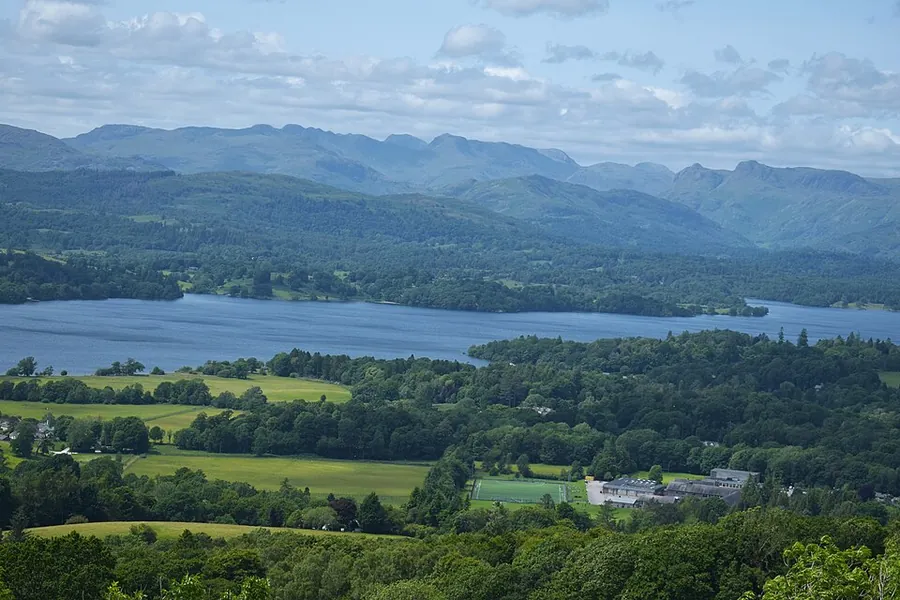
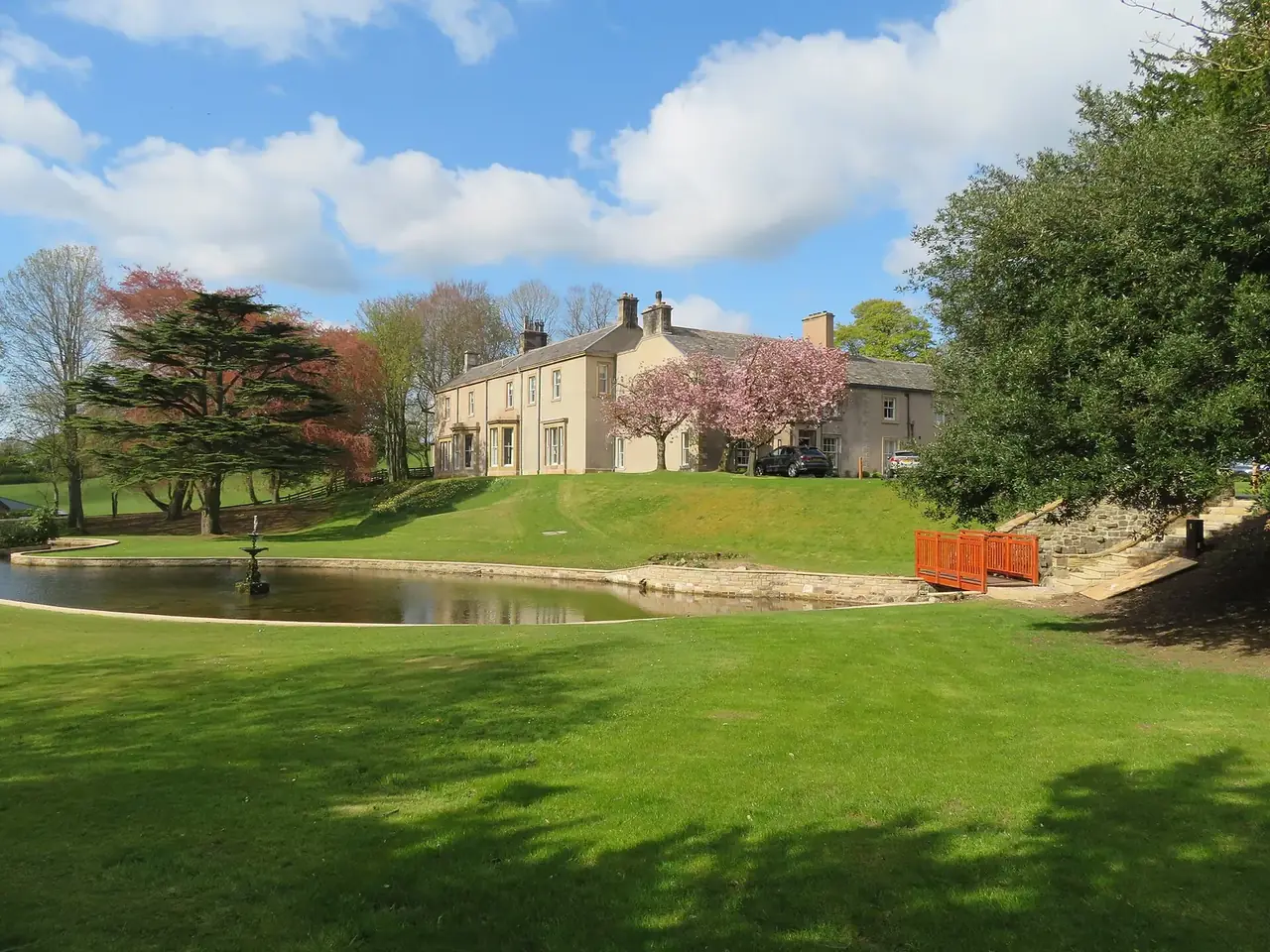
You turn in off the road at Hallbankgate and the temperature of the day changes. Trees close over the drive, the traffic dies away behind you, and then the house is simply there — long and low across its lawn, the great cedar standing in front, the ornamental lake holding whatever the sky happens to be doing. Stand still for a moment before you reach for your bags. Water moving somewhere in the garden. Rooks in the high branches. Underneath it all, a silence you can almost lean on. You are near Brampton, in the far north-east corner of Cumbria — closer to Hadrian's Wall than to any lake, a good hour and a half from Windermere — and that distance is not a drawback to be managed. It is the whole point. This is the quiet end of the county: Roman stone you can rest a hand on, high empty moorland, Pre-Raphaelite colour glowing in a small-town church, and one of the best kitchens in the north. This guide covers what is genuinely on the doorstep, and how touring works from this end of the county.
Farlam Hall holds a Michelin Key, and its restaurant Cedar Tree holds a Michelin Star. How to plan a day around a table here, and see the Michelin Collection for the full picture across the county. And the house itself has quite a past — a coal fortune, a family donkey in the billiard room, and Stephenson's Rocket ending its working days on the family railway. We've written the whole story, and it's worth ten minutes of your first evening with something good in your glass.
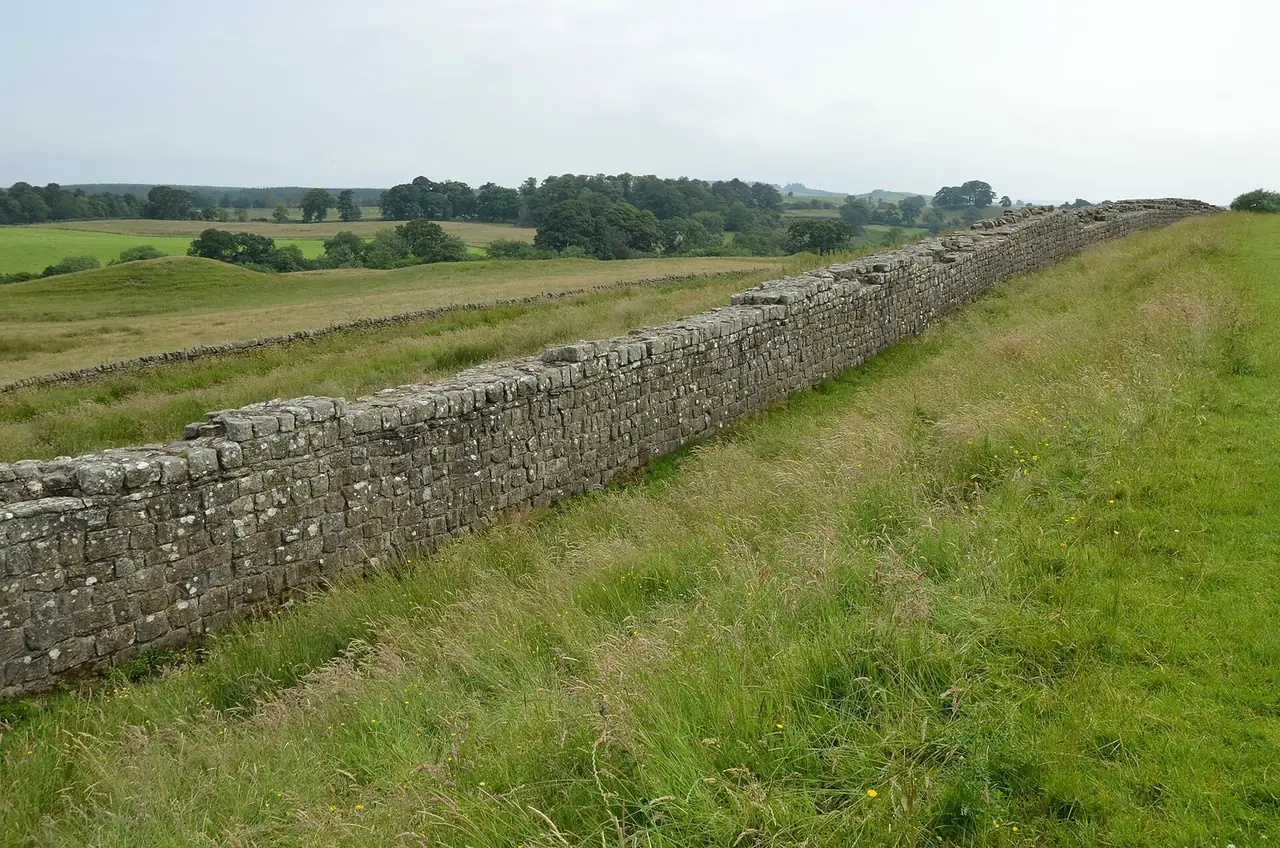
Go early, before the day has decided what it's doing. Most visitors meet Hadrian's Wall at Housesteads or Vindolanda, which are magnificent and busy; the western sections near Farlam Hall are a different experience entirely. Out here — Banks East Turret, the milecastles, the earthworks running west towards Carlisle — you can walk a stretch of the most famous frontier in the world and hear nothing but wind in the long grass and a curlew somewhere off across the fields. Rest your hand on the stone. It is cold in any season, laid by soldiers a very long way from home, and it was never meant to be looked at — it was meant to work. Out here, with nobody else in sight, that is much easier to feel.
If you would rather have the Wall properly explained than work it out from information boards, that is exactly what our private Hadrian's Wall day is for — collected from the hall and back in time for dinner. It also connects to the other end of the story: the Lake District had its own Roman garrisons, at Ambleside, Hardknott and Ravenglass, supplying the same frontier from the south.
A short drive away, down in the green of the Irthing valley, Lanercost is one of the most affecting ruins in the north. Stand in the roofless nave and look up: rooks wheeling where the vaulting used to be, sky where eight centuries of prayers went. The priory was founded in the twelfth century and built substantially of stone robbed from Hadrian's Wall — run your eye along the masonry and you're looking at Roman work recycled, which tells you a great deal about how the medieval world regarded the Romans. It sat directly on the invasion route between England and Scotland and suffered for it, burned and raided again and again. A dying king, Edward I, spent his last months here, too ill to continue north. And yet part of the church is still in parish use — eight hundred years of Sunday mornings, hymns still rising in a building the wars could not quite finish off. Come late in the day if you can, when the stone goes amber and you may have the whole valley to yourself.
Now for the surprise almost nobody staying out here knows about. Drive into Brampton — a small red-sandstone market town, ten minutes from your room — and find St Martin's Church. From the outside it looks almost defensive, a sturdy border building keeping its secrets. Step through the low, dark porch, let the door close behind you, and the whole interior detonates into colour: every single window in the church designed by Edward Burne-Jones and made by Morris & Co., glowing like trays of jewels held up to the light. Reds you can feel in your chest. Blues that seem lit from behind. Angels, saints and praising figures by one of the great Pre-Raphaelite painters, in a town most guidebooks skip entirely.
The church is the only one Philip Webb — William Morris's own architect — ever designed, built in the 1870s for a local earl who was a serious painter himself and kept the Pre-Raphaelites' company. Pevsner called it "a very remarkable building", which for Pevsner is close to shouting. Sit in a pew for ten minutes as the afternoon sun moves through the glass, and you will have seen one of the finest Arts and Crafts interiors in England, shared, quite possibly, with nobody at all.
And there is a companion piece, stranger and earlier still. Half an hour away, in the small village of Wreay just south of Carlisle, stands St Mary's — designed, paid for and personally directed by Sarah Losh, on the one condition she set her neighbours: that nobody would restrict how she built it. Between 1840 and 1842, working with a local mason and his sons, she raised a church shaped like a Roman basilica in defiance of every Gothic fashion of the day, and covered it in the natural world: pinecones everywhere, ammonites and fossils, insects, birds, ears of corn, gargoyles in the shape of turtles and dragons. She carved the alabaster font with her own hands, its mirrored lid a pond with waterlilies floating on it. The pulpit is a single piece of bog oak that had lain in the ground for three thousand years. And threaded through all of it is grief — the church is in part a memorial to her sister, who died young — turned into something teeming with life.
Nobody had seen anything like it, and in a sense nobody has since. When Dante Gabriel Rossetti stumbled on it in 1869 he wrote home that its maker "must have been really a great genius" — this from the founder of the Pre-Raphaelites, decades before the Arts and Crafts movement caught up with what one determined Cumbrian woman had already done in a village church. Simon Jenkins calls her "a Charlotte Brontë of wood and stone." Go, sit quietly, and run your eyes along the carvings until you find your first pinecone. You won't stop finding them.
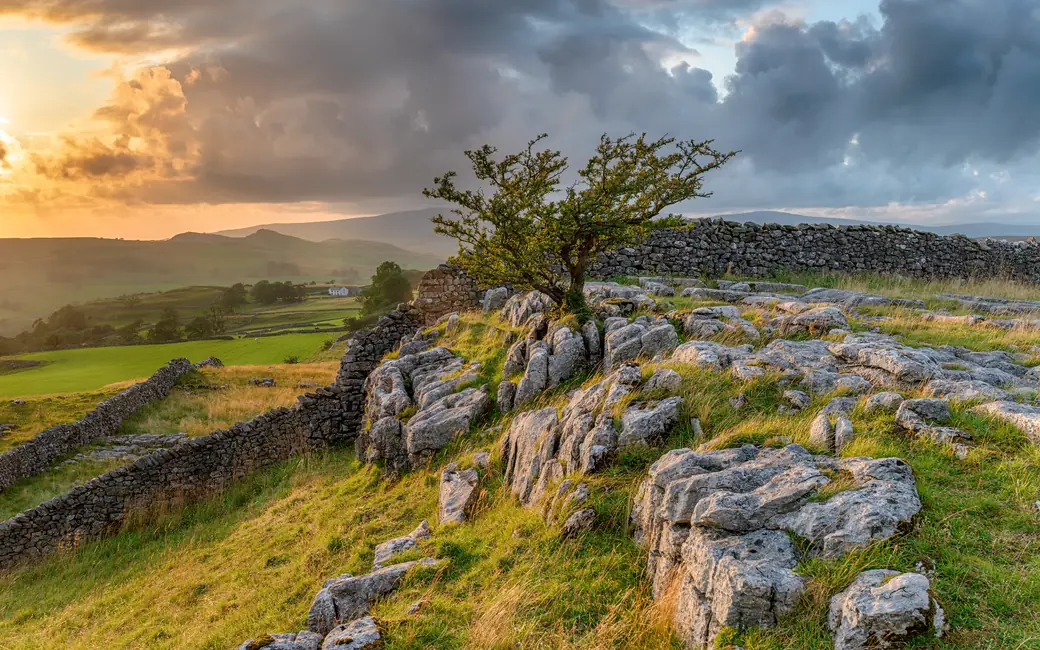
South and east of the hotel the land rises into the North Pennines — big, empty, high moorland country with a serious lead-mining history and some of the darkest skies in England. It is not pretty in the Lakeland sense and it is not trying to be. Drive up onto it and feel the land drop away behind you; watch cloud shadows the size of villages slide across the moor. And after dinner, on a clear night, step out onto the lawn, give your eyes five patient minutes to adjust, and look up. Out here there is almost nothing between you and the stars — the Milky Way in a way most visitors have genuinely never seen it. If you have come north expecting drama and found yourself somewhere quieter, this is the landscape that will win you over.
Half an hour west, and consistently underrated. The castle held Mary, Queen of Scots; the cathedral is small, red-sandstone and has a fourteenth-century painted ceiling worth the trip on its own; and the Tullie museum tells the border story properly, including the reivers — the raiding families who made this frontier genuinely lawless for three hundred years.
Our scheduled small-group tours depart from Windermere station, Bowness Pier 1 and Ambleside library, all a long drive south of Brampton — there is no sensible way to join one as a day trip from here. From this corner of Cumbria we come to you instead: we collect you from the hotel, your party alone, never more than seven guests, and build the day around you. Two days in particular were made for this address.
Begin on the quiet western stretches while the light is still low and the coaches are still an hour away — stone under your hand, the frontier explained by a guide standing next to you rather than an information board. Then east along the Wall: Lanercost, where the Wall's own stones ended up in the priory walls; Birdoswald on its spur above the Irthing gorge; the Wall riding the cliffs at Walltown Crags, with the Roman Army Museum a few minutes away; and, if the day has room, Vindolanda, where the letters the soldiers wrote home — birthday invitations, requests for warm socks — bring the garrison heartbreakingly close. By the end of the day you won't be looking at a wall. You'll be reading it.
This one now runs as a private tour of its own, collected from the hotel and back in time for dinner — see the Hadrian's Wall day.
Built around the extraordinary things on your doorstep: a slow morning with the Burne-Jones windows at Brampton as the sun comes round to them, then Sarah Losh's astonishing church at Wreay — the building that left Rossetti reaching for the word genius — and Lanercost in its valley, with the story of how the Pre-Raphaelite circle came to leave its mark all over this quiet corner of the border. For a full day, ask us about carrying the thread south into Ruskin country — the movement's godfather lived out his days on Coniston Water, and the connection makes a genuinely satisfying arc.
Bespoke half days run from £459 and full days from £915 per group — never more than seven guests — with a £95 planning fee redeemed against your tour. How our bespoke days work, or tell us what you have in mind. Lake District Tours is a family-run company based in Kendal, and this border country is a landscape we know well and love taking people into.
This is quiet country in any season, and autumn makes it quieter still. The western stretches of Hadrian's Wall, already the less-visited end, empty out further once the school holidays finish — walk a length of it in the low afternoon light, wind moving through the long grass, turning bracken lining the earthworks in deep gold and rust, and you may not see another soul for the best part of an hour. It is a very particular kind of solitude, standing on a two-thousand-year-old frontier with nothing but birdsong and the sound of your own footsteps.
Lanercost's ruins sit particularly well against low autumn light and turning trees in the Irthing valley, stone glowing amber in the late-day sun, and the North Pennines beyond earn their reputation properly now — big skies stacked with cloud, an early dusk that turns the moorland violet and grey, and some of the darkest, clearest night skies in England for anyone tempted outside after dinner. It is also, honestly, the best season for the kitchen here: game, root vegetables and the last of the garden's produce on the plate, and a fire in the hall genuinely worth walking in from the cold for.
For what's open, what's turning and the tours that suit the season, see our guide to the Lake District in autumn.
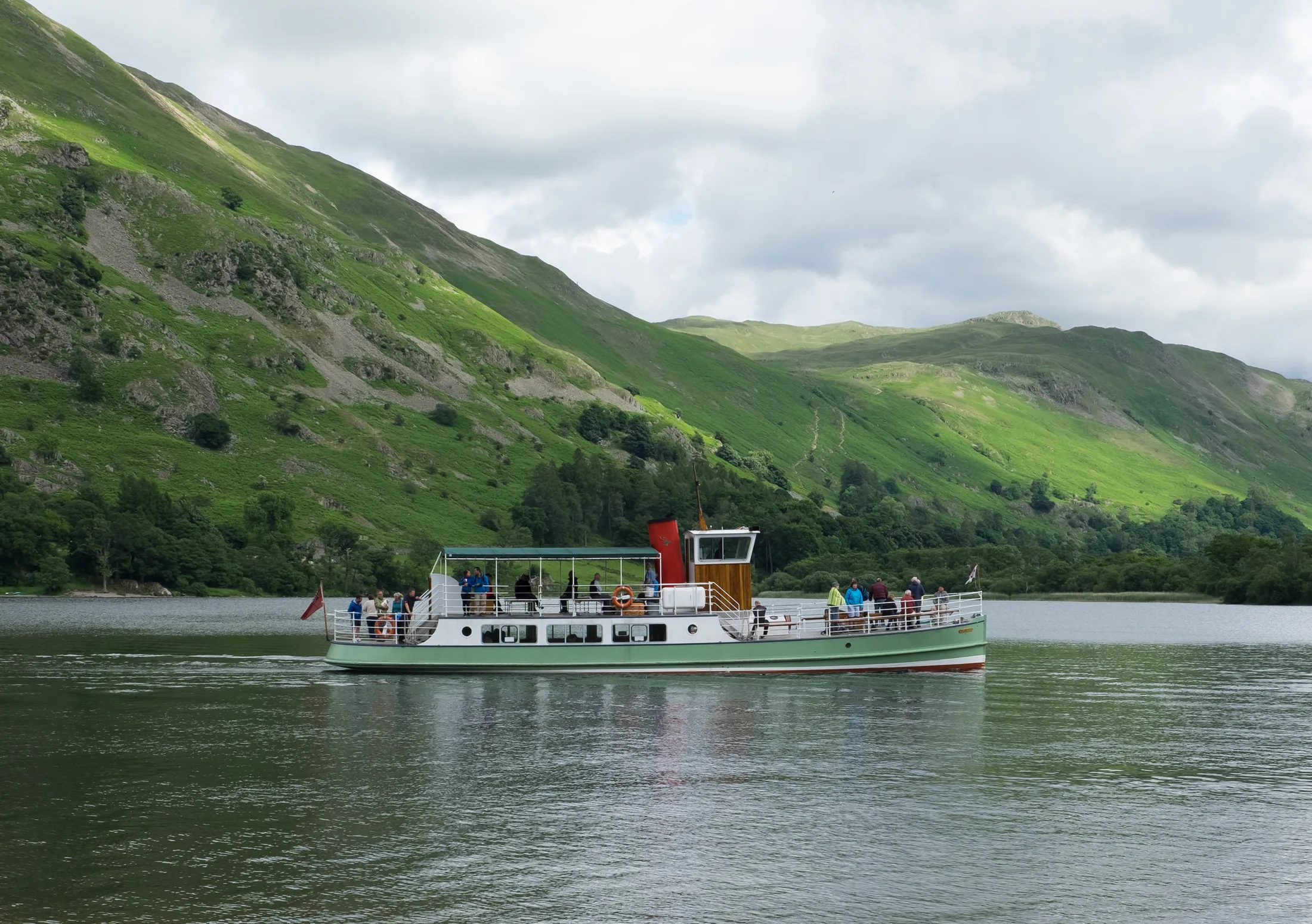
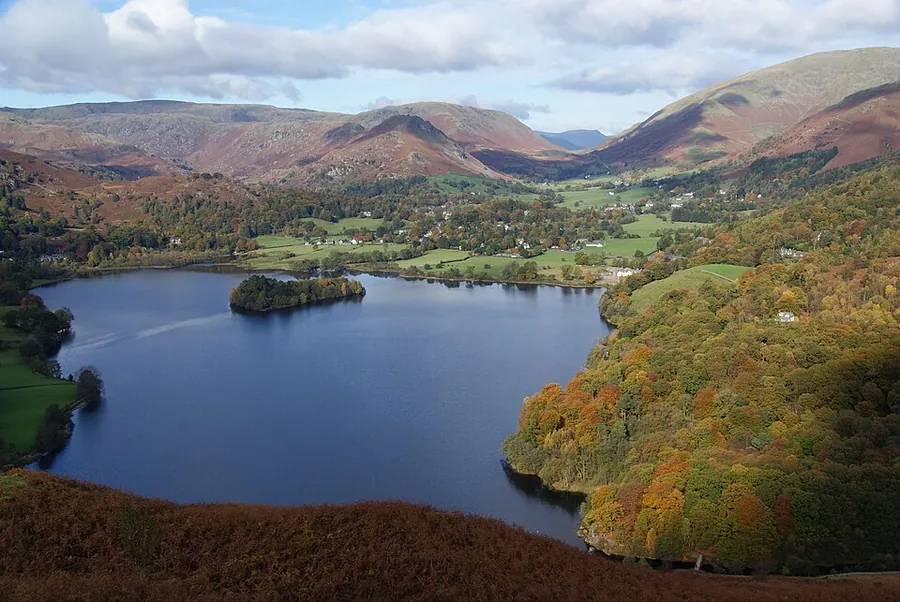
When the lakes do call, a full bespoke day south is a long but genuinely rewarding outing — leave after breakfast and by mid-morning you're on the passes, the fells stacking up around you, back at the hall in time to change for dinner. We build it around whichever part of the national park you most want to see. Dogs are welcome here and welcome with us, travelling safely in our vehicle crates.
The country round the hall is high, open and often windswept, and the roads that make it worth seeing are the ones along the Wall and up over the Pennine edge — exposed in winter, single-track in places, and a long way from anywhere. Our private tours are built for that reason: this terrain and this weather, a moorland road when the cloud comes down, and a full day taken in comfort. Your guide drives; the frontier, the churches and the empty country are yours to take at your own pace.
Not sure which route suits your plans, or want a day built entirely from scratch — a family reunion, a wedding anniversary, scattering ashes somewhere that mattered? Tell us what you have in mind and we'll design a day around it — see our guide to celebrating a special occasion for ideas, or get in touch directly.
Worth knowing before you choose: the routes below run as scheduled small-group departures from the Lakes — ideal if you're moving south after your stay here — and any of them can also be rebuilt as a bespoke day from the hall: the same country, your party alone, collected at the hotel and shaped around you. Just say so when you enquire.
Our small-group tours carry seven guests at most. Any of them can also run privately, collected from the hotel, for your party alone.
Farlam Hall's restaurant is a serious operation and a large part of why people come. One practical point worth knowing when you book rather than when you sit down: the kitchen states that its dishes cannot be adapted for dislikes or dietary restrictions. If anyone in your party has particular requirements, raise it at the time of booking rather than on the night.
Getting here: a car is genuinely useful. Carlisle is the nearest main railway station, with Brampton on the Newcastle line.
Distances: treat the Lake District as a full day out rather than an afternoon — it is a long way south.
Dark skies: the North Pennines are exceptional for stargazing on a clear night, and there is very little light pollution around the hotel.
Ages: our tours suit adults and older children, about seven and up.
Not really, and it is worth being clear about it. Farlam Hall is near Brampton in north-east Cumbria, close to Hadrian's Wall and the North Pennines — around an hour and a half's drive from Windermere. It is a Hadrian's Wall hotel rather than a Lakes one, and it is all the better for knowing that before you arrive.
No. Our small-group departures leave from Windermere station, Bowness Pier 1 and Ambleside library, all a long way south. For guests staying here we would arrange a private or bespoke day instead, collected at the hotel.
Lanercost Priory, the western sections of Hadrian's Wall including Banks East Turret, St Martin's Church in Brampton with its Burne-Jones windows, Sarah Losh's remarkable church at Wreay, Talkin Tarn, the North Pennines, and Carlisle with its castle and cathedral.
Yes — there are dog-friendly rooms and extensive grounds. Well-behaved dogs are also welcome on our private tours, travelling safely in the crates our vehicles carry.
Yes, on a private basis — a full day south into the Lakes is a long but perfectly manageable outing, and we can build it around whichever part of the national park you most want to see.
Yes. The Hadrian's Wall day now runs as a private tour of its own, collected from the hotel and back in time for dinner: the quiet western stretches, Lanercost, Birdoswald, Walltown Crags and, if you would like them, the Roman Army Museum and Vindolanda. The Arts and Crafts day runs as a bespoke day, built around the Burne-Jones and Morris glass at Brampton and Sarah Losh's church at Wreay, and can carry the thread south into Ruskin country. Bespoke half days run from £459 and full days from £915 per group, with a £95 planning fee redeemed against your tour.
Any of our tours, run privately: your own guide and minibus, collected from the hotel, on the date that suits you, with nobody in the minibus you didn't bring.
With six or seven of you, a private tour costs less per person than the scheduled tour.
Book a private tourTailor-made for each individual booking — the places and the people you most want to see.
Plan a bespoke tourLake District Tours is an independent local tour company based in Kendal. This guide is not affiliated with or endorsed by Farlam Hall.
This page was checked by Phil in .