Private day · Collected from Farlam Hall · Your party only
Hadrian's Wall —
from the door of Farlam Hall
A private day on the quiet end of the Roman frontier
A private day on the quiet end of the Roman frontier
Duration
Full dayBack for dinner
Price
£915Per group
Group
Up to 7Your party only
Collection
The hallAt the front door
First stone
15 minFrom the hall
Heritage
UNESCOWorld Heritage Site
One party at a time. We run private days one booking at a time, so the best moment to reserve yours is when you book your room.
A private, guided full day on Hadrian's Wall, run by Lake District Tours exclusively for guests staying at Farlam Hall near Brampton. Your guide collects you from the hall's front door and brings you back in good time for dinner. The day follows the Wall east from Lanercost Priory, past quiet turrets and milecastles, to Birdoswald Roman Fort above the Irthing gorge — with the border country beyond, and Vindolanda at the far end if you want it. Your party only, up to seven guests, £915 per group. Admission to the sites and lunch are paid on the day. Runs all year.
Written by Gillian, one of our guides · Reviewed September 2026
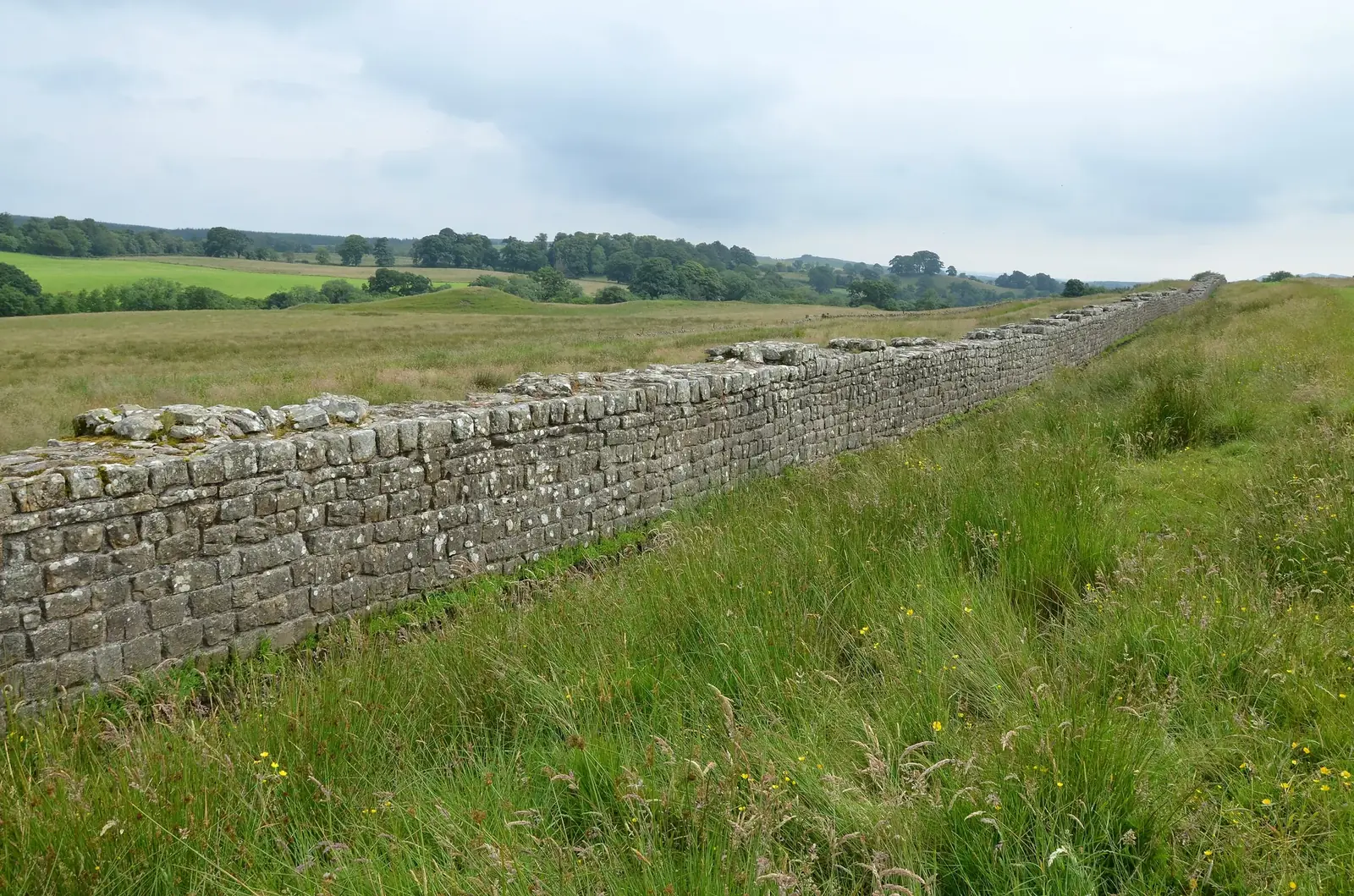
You step out of the car and the day goes quiet around you. No engine, no voices, no coach turning in behind you — only wind combing the long grass, a curlew calling somewhere out over the fields, and ahead of you a line of grey stone running away east along the rise. Rest your hand on it. It is cool even in August, rougher than you expect, and the man who squared that block came from the far side of an empire and had never heard of England.
Most people meet Hadrian's Wall in the middle, at the famous forts, with a ticket queue and a coach party. You are staying at the other end of it — the quiet end, where the Wall comes down off the crags into soft red farmland, and a stretch of the Roman Empire's northern frontier can be yours alone for an hour at a time. That is where this day happens.
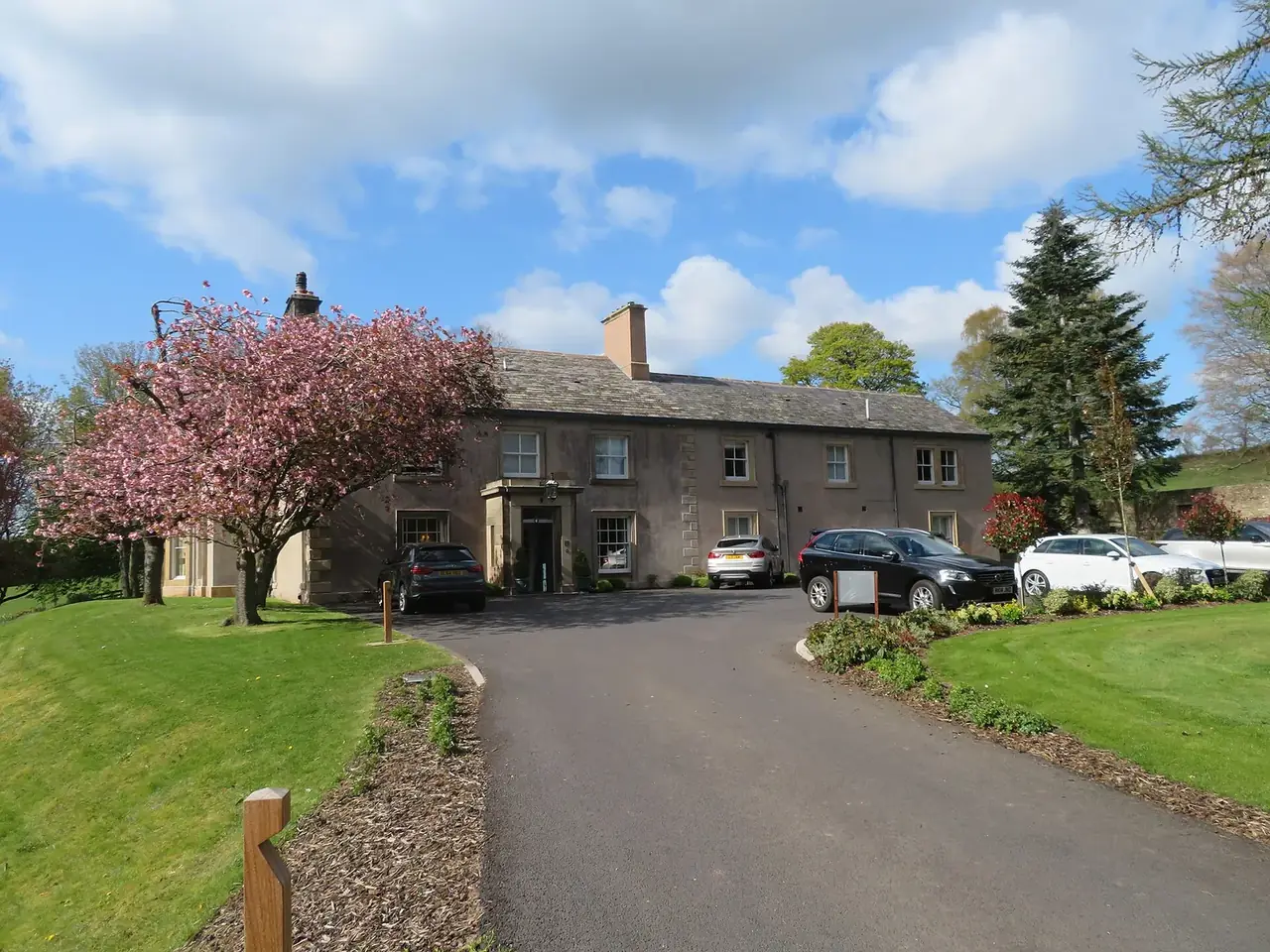
Your guide collects you from the front door after breakfast, drives every mile, and knows which lane runs closest to which turret, where the light falls in the afternoon, and which stone in which wall is not quite the way up a Roman mason left it. You look, stroll, ask everything. And you are back at the hall with time to bathe and change before dinner.
The famous forts are further east, with the crowds. This end of the Wall is fifteen minutes from your door — and very often, it is yours alone.That is the whole point of the day
Why this one
You could drive yourselves, park at the famous forts and read the boards. Here is what the other way gives you.
Private means private: no shared seats and no timetable but yours. Up to seven guests, a guide who can hear every question, and a day that bends to how long you want to stand still.
Collected at Farlam Hall and delivered back to it. Nothing to navigate, no car parks, no wondering whether the lane goes through. Back in good time to change for dinner.
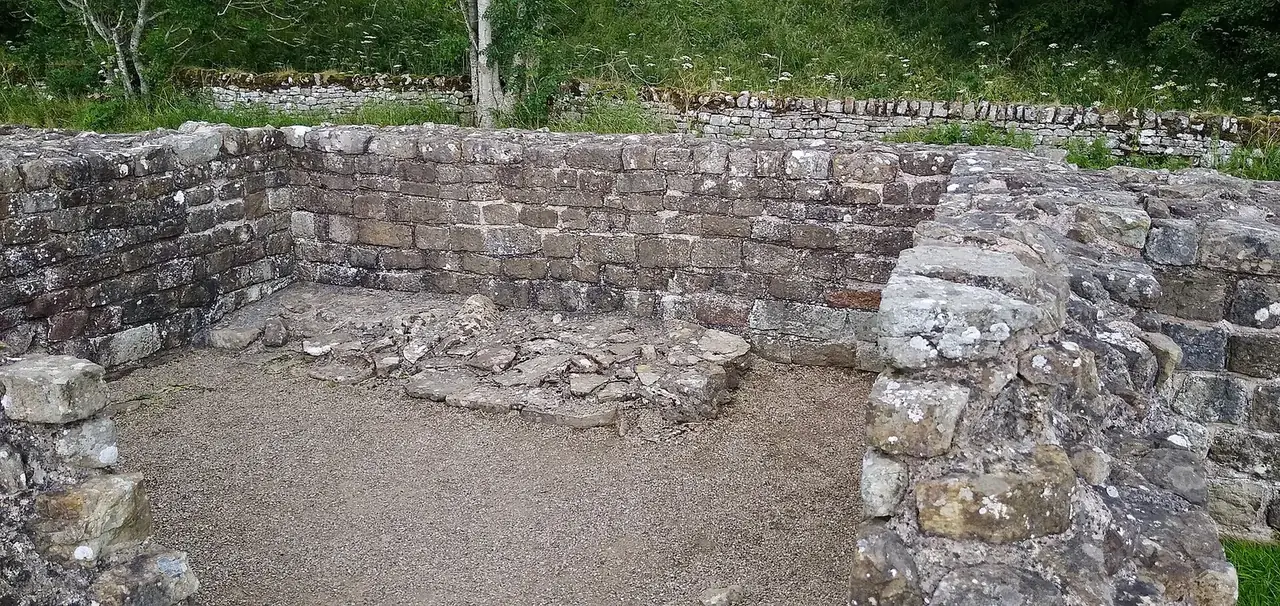
The western Wall is the least visited stretch of the frontier: turrets you step into from the verge, milecastles in open fields, and long minutes with nobody else in sight.
Someone who knows this border country in every season — which way to turn when the weather comes in, where the light is best, and how to read a heap of stones until it becomes a garrison. The best stories wait until you are standing on the spot.
Hadrian's Wall is part of the Frontiers of the Roman Empire World Heritage Site — the northern edge of an empire that reached the Euphrates, running within a few miles of your room.
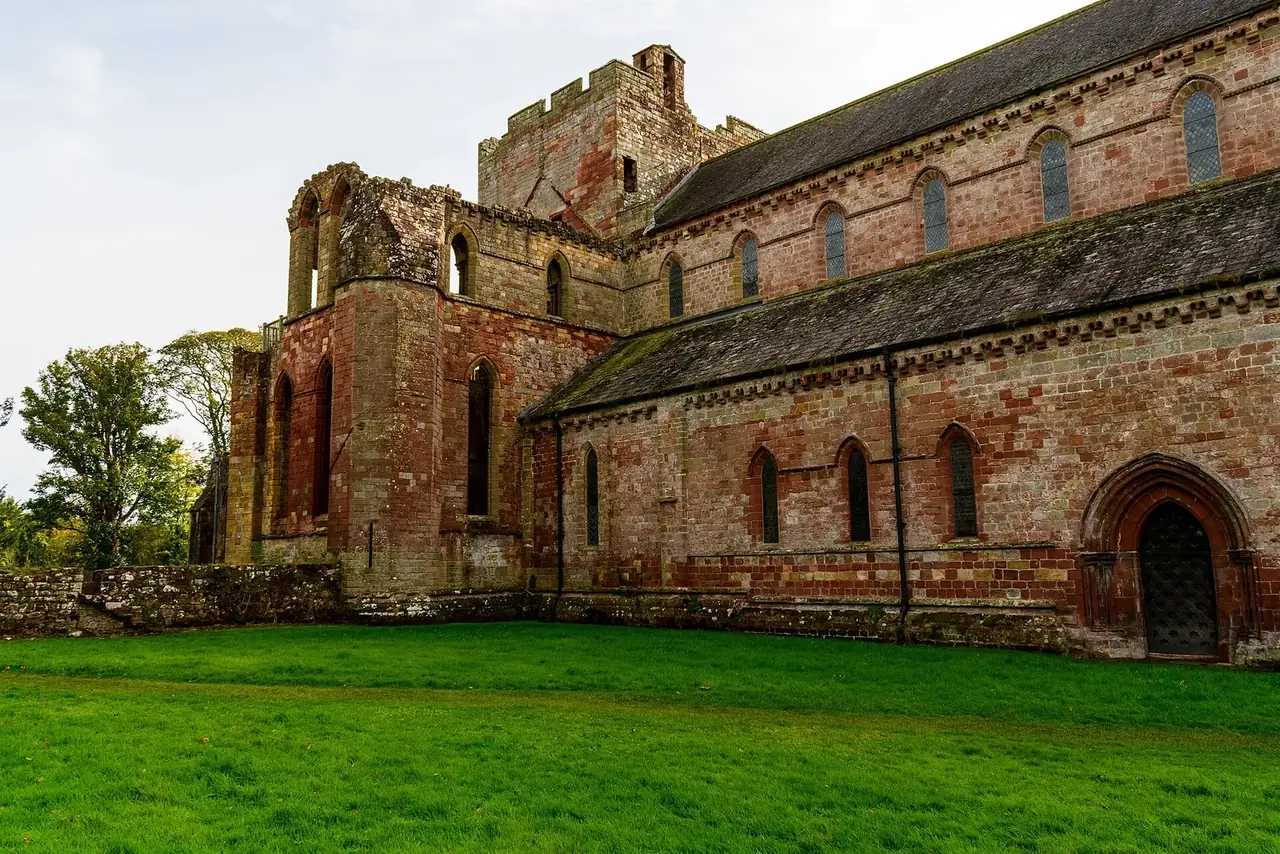
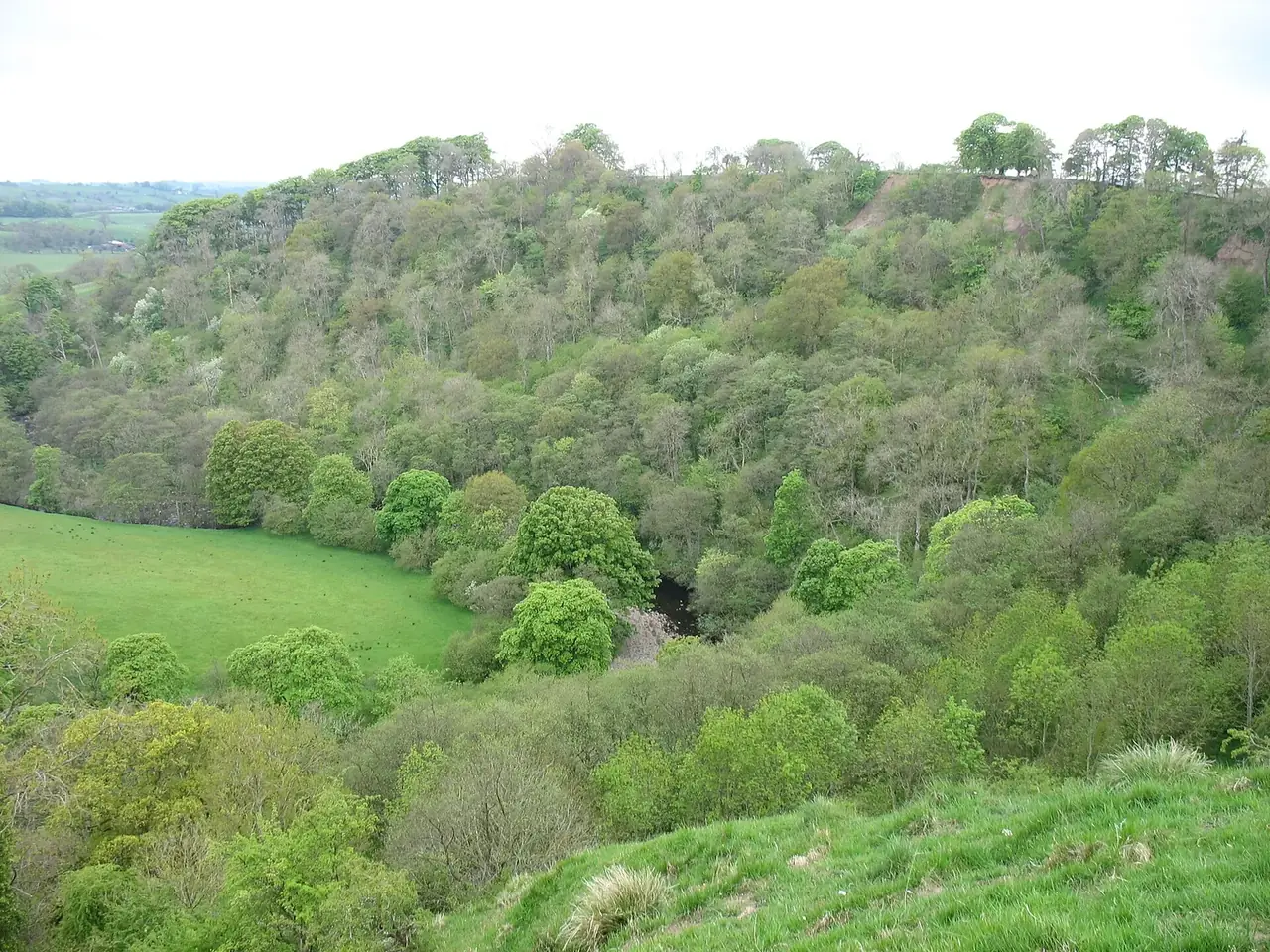
The Wall riding the skyline, the priory's red sandstone in low sun, the wooded gorge beneath Birdoswald. Your guide knows the angles — and when to stop the car.
In pictures
Swipe through, or tap any photograph to see it full size.
Photographs: Carole Raddato from FRANKFURT, Germany (CC BY-SA 2.0), Martinvl (CC BY-SA 4.0), Simon Cobb (CC0), Michael Garlick (CC BY-SA 2.0), David Purchase (CC BY-SA 2.0), Anthony Parkes (CC BY-SA 2.0), Mertbiol (CC0), Brian Deegan (CC BY-SA 2.0), marsupium photography (CC BY-SA 2.0), Carole Raddato (CC BY-SA 2.0), Bob Embleton (CC BY-SA 2.0), Johnnie Shannon (CC BY 2.0), M J Richardson (CC BY-SA 2.0), Mike Quinn (CC BY-SA 2.0), marsupium photography (CC BY-SA 2.0), Carole Raddato from FRANKFURT, Germany (CC BY-SA 2.0), Simaron (CC BY-SA 2.0), Adrian Taylor (CC BY-SA 2.0), M J Richardson (CC BY-SA 2.0), via Wikimedia Commons. Placeholder photography — to be replaced with our own.
Along the Wall
Not a fixed list, and never in a fixed order — the day changes with the weather, the light and what you want from it. These are the places it is built around.
1169
Lanercost Priory
Roman stone, Pre-Raphaelite glass
Watchtower
Banks East Turret
Step in from the lane
Banna
Birdoswald Roman Fort
A thousand Dacians above the river
The river
The Irthing gorge
Why the fort sits where it does
The bridge
Willowford
Left high and dry
Milecastle
Poltross Burn
How tall was the Wall?
The border
Thirlwall Castle
Quarried from the Wall
The crags
Walltown Crags
Older than the Wall it stands in
If you'd like
Roman Army Museum
The soldiers themselves
If you'd like
Vindolanda
Letters from the garrison
Built around your evening
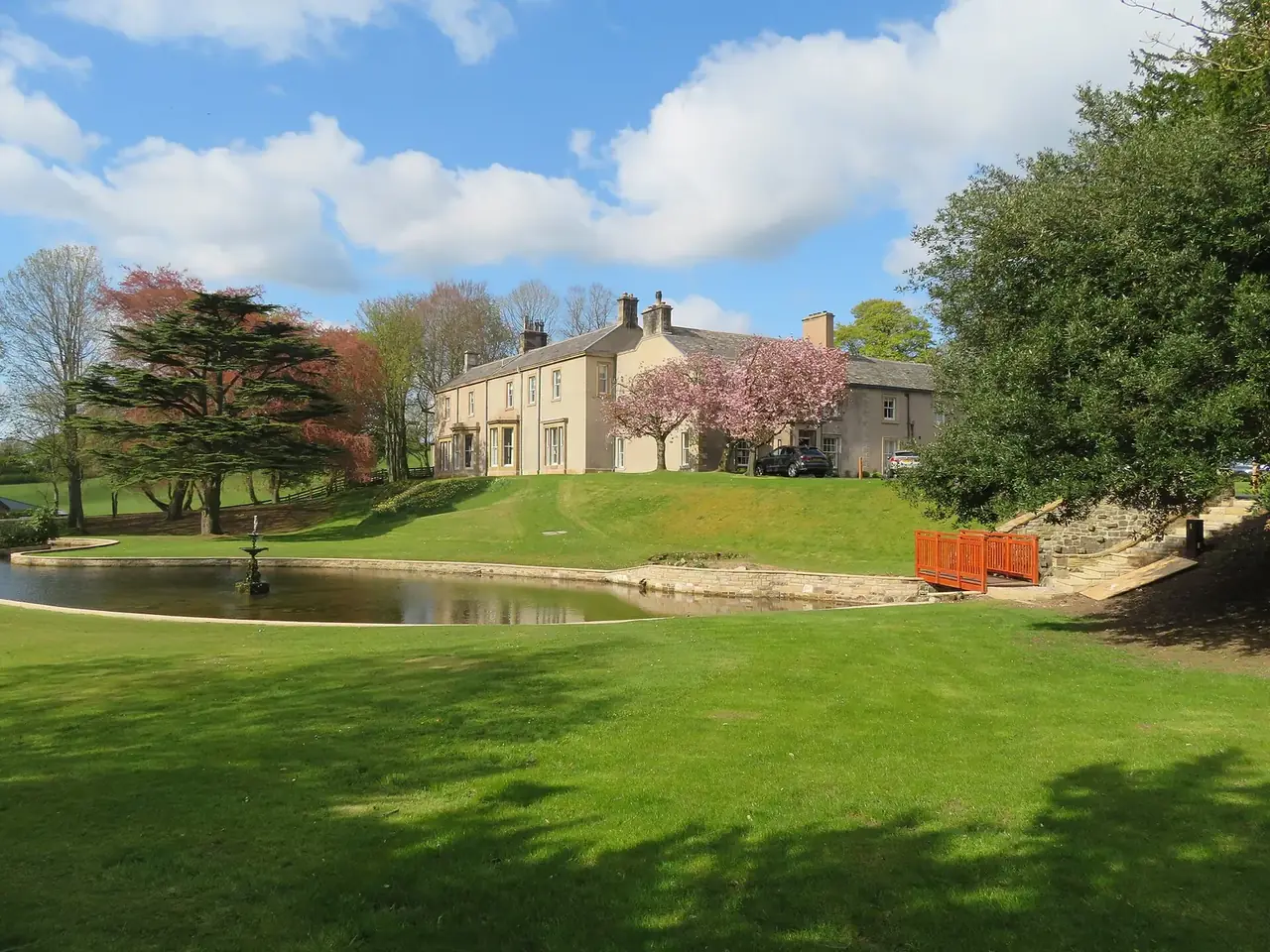
The day is planned backwards from dinner. Tell us your table time at Cedar Tree when you book, and we will have you back at the hall with time for a bath and a drink by the lake before you sit down. Collected at the door. Returned to the door. Nothing to plan but the menu.
The route
No two of these days run quite the same. We follow the Wall east, so nothing is driven twice, and your guide shapes the rest around the weather, the light and you.
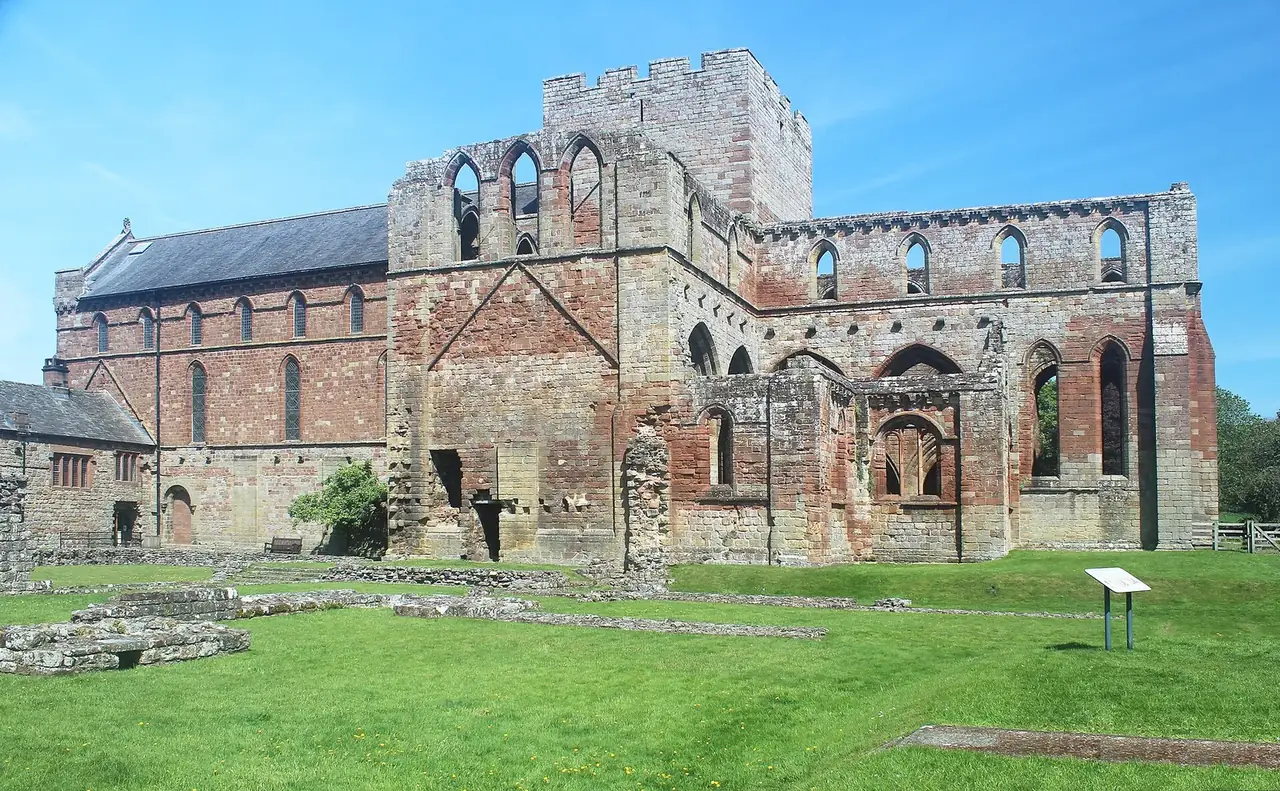
Seven and a half centuries after the legions left, Augustinian canons founded Lanercost Priory in 1169 — and built it from the nearest good stone they could find, which was the Wall. Look closely and Roman blocks, squared by a soldier's chisel, turn up again in a medieval church. A dying Edward I spent his last winter here. Part of the priory is still a parish church, and its windows are by Burne-Jones, made by Morris & Co. One Roman stone is not quite the right way up. Your guide will show you which.
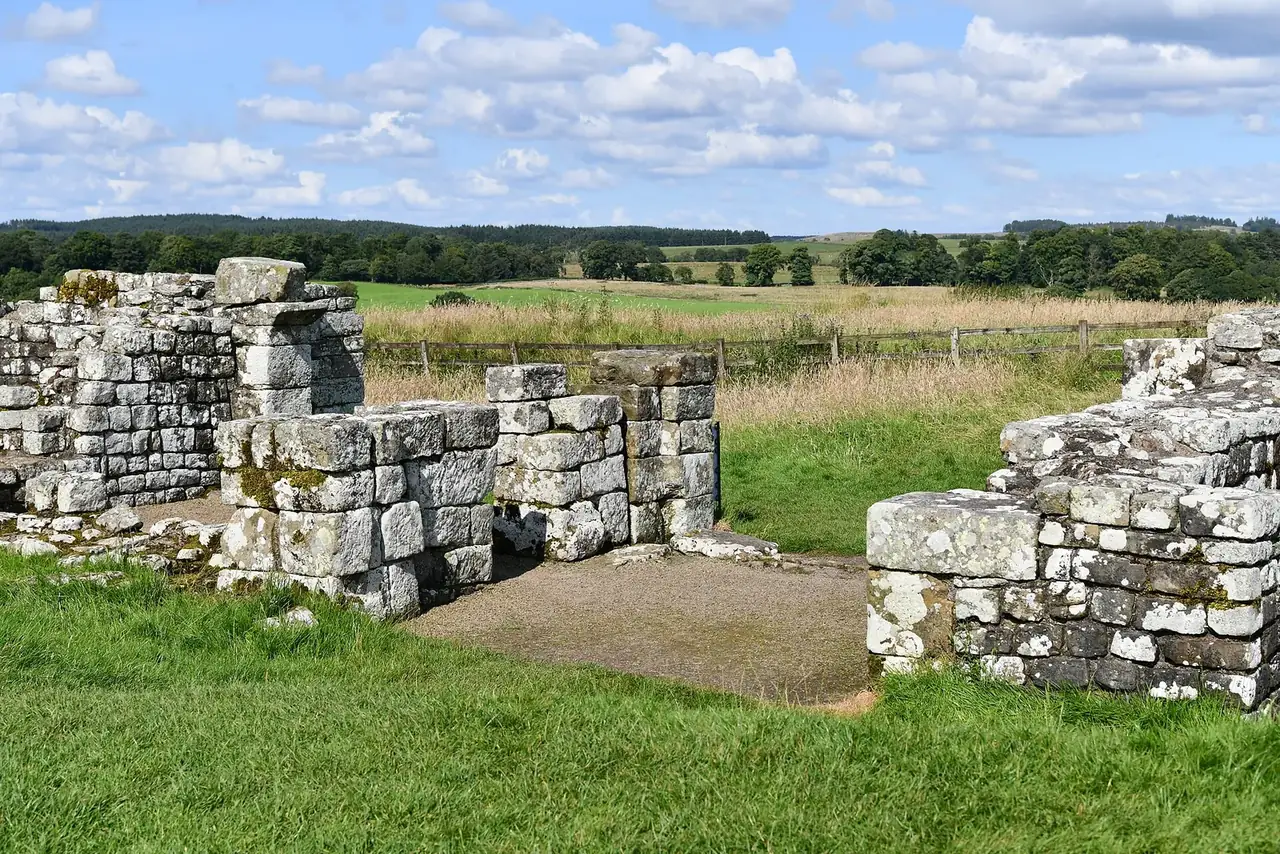
Out along the lanes the Wall appears and disappears: a watchtower you step into from the verge, a length of stone riding the edge of a field, the great ditch still cut deep beside the road. Nobody sells tickets. Very often nobody else is there. This is where the day slows right down.
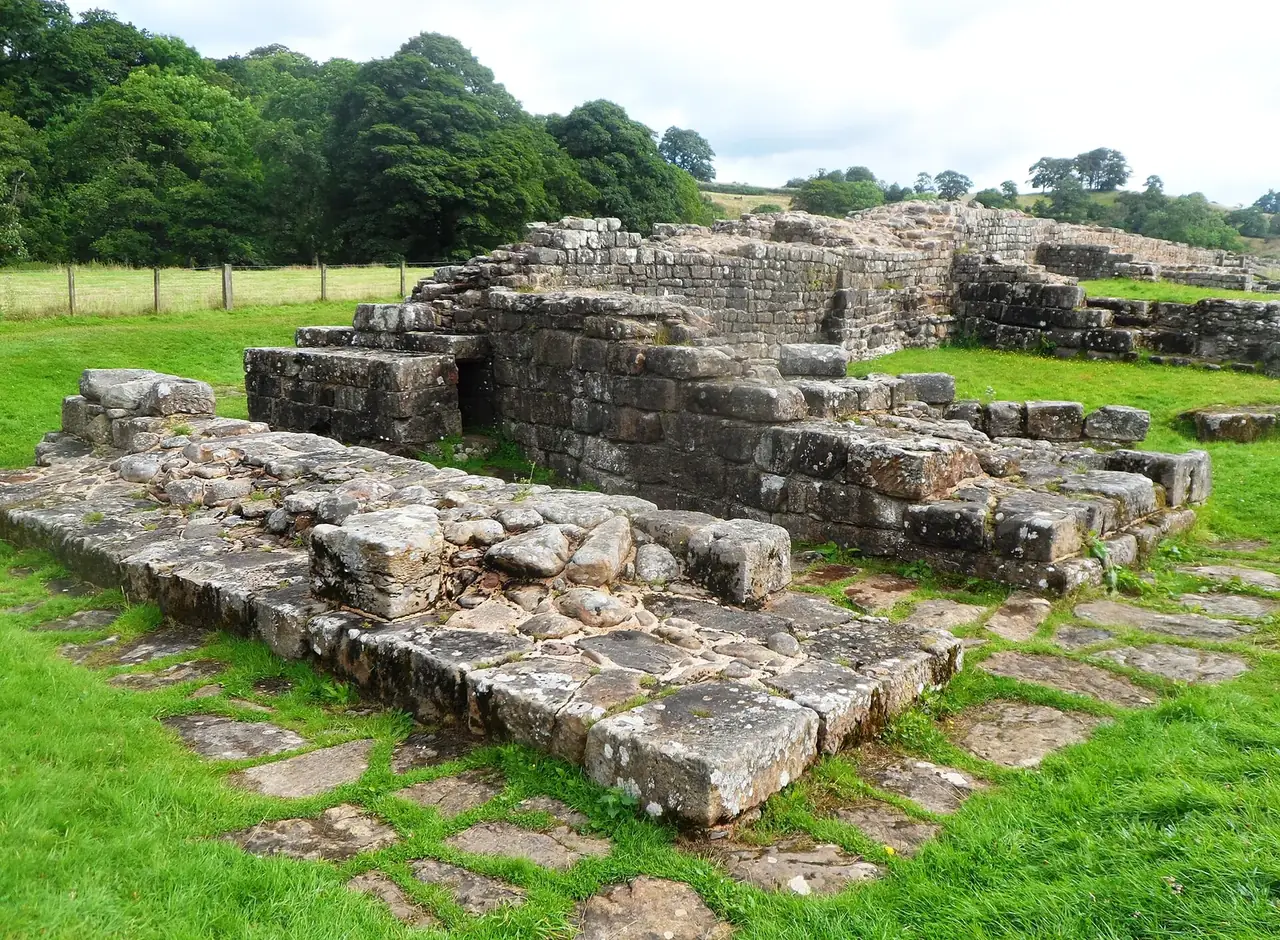
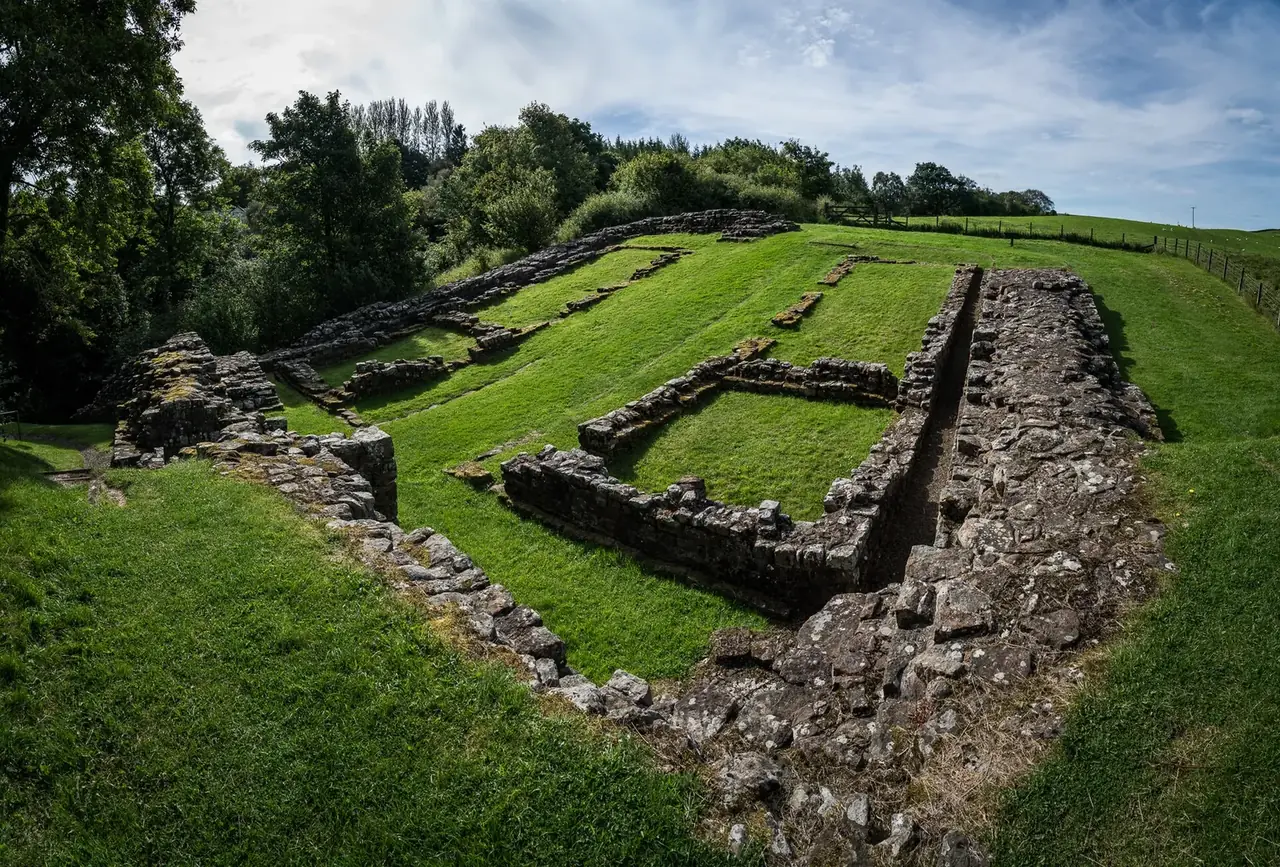
Birdoswald — the Romans called it Banna, the horn — sits on a spur high above the River Irthing, and for most of its life it was held by a thousand-strong cohort of Dacians, recruited from what is now Romania. From the gate, follow the longest continuous stretch of Wall you can still see away to the east. And when Rome stopped paying, somebody stayed: timber halls went up inside the walls, and people lived here into the sixth century.
Below the fort, the Wall once crossed the Irthing on a Roman bridge. The river has since wandered away, and the bridge's great stone footing now stands in a quiet field, a long way from any water. Nearby at Gilsland, a milecastle keeps the one piece of evidence that tells you how tall the Wall really stood. That is a story best told standing on the spot.
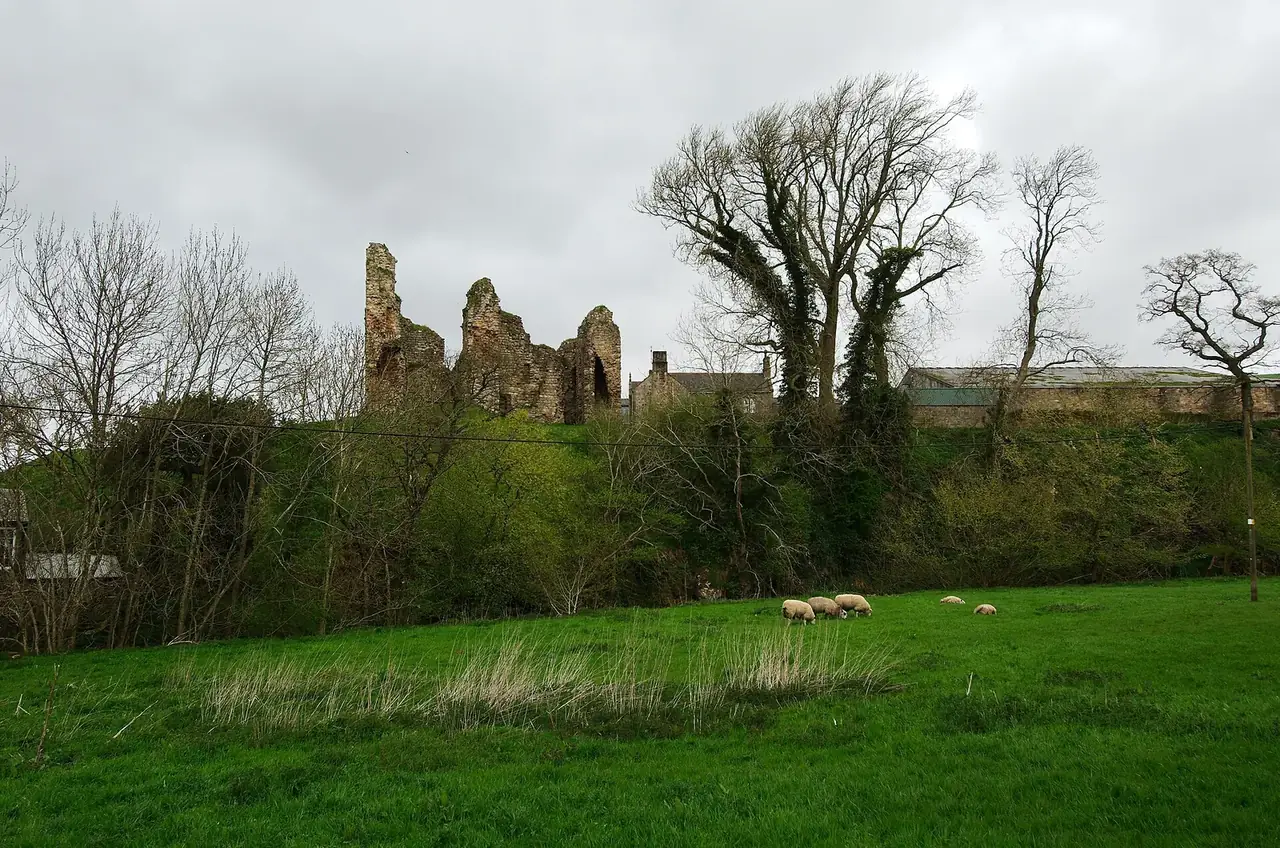
Beyond Gilsland the ground hardens and lifts, and the frontier starts to look the way you imagined it. For three centuries this was reiver country, when the families along the border raided each other's cattle as a way of life — and Thirlwall Castle, a border stronghold built largely from Roman stone, still watches the gap it was put there to guard.
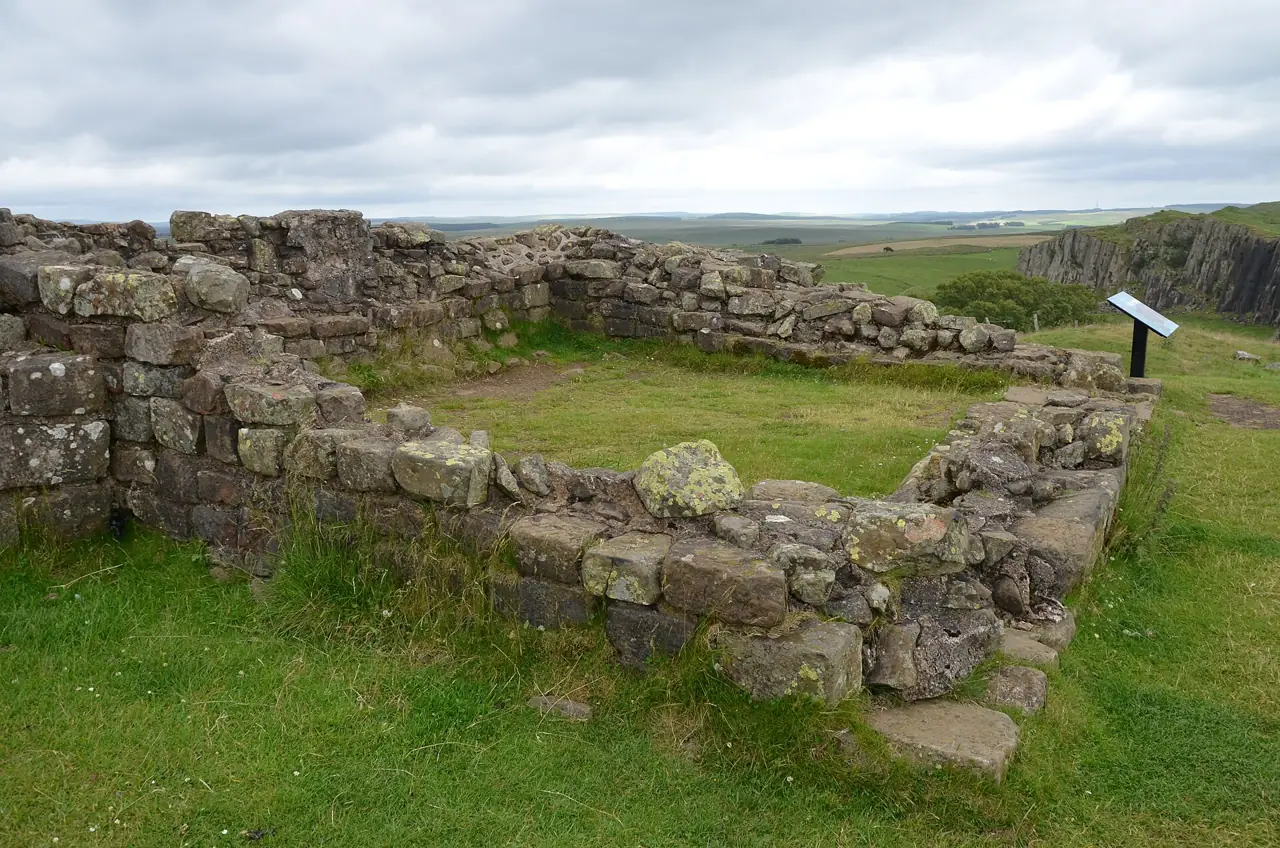
At Walltown the Wall climbs onto the Whin Sill and rides the edge of the cliffs, with the whole of the border laid out to the north. Part of the crags was quarried away for roadstone within living memory; what survives is the Wall at its most dramatic. The turret on the top has a secret of its own — it was here before the Wall was. A few minutes away, beside the fort the Romans called Magna, the Roman Army Museum is given over entirely to the men who garrisoned the frontier: who they were, what they carried, how they lived and how far from home they had come. On a wet day it is the perfect place to be.
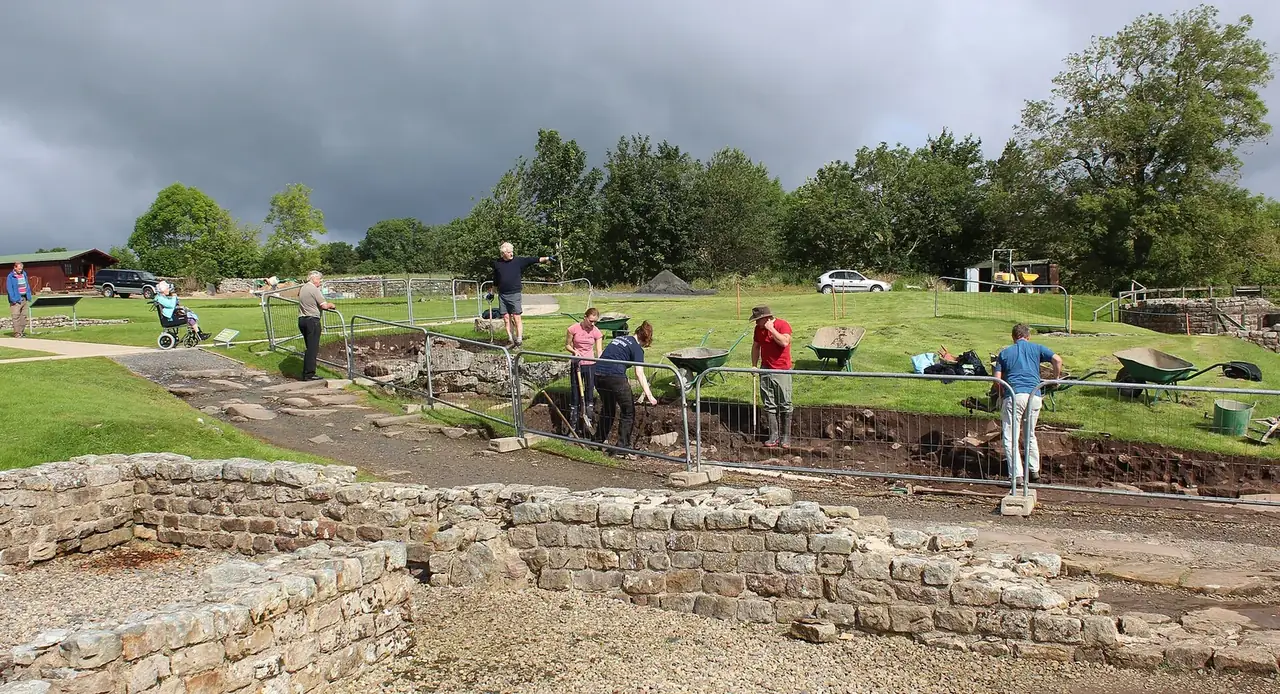
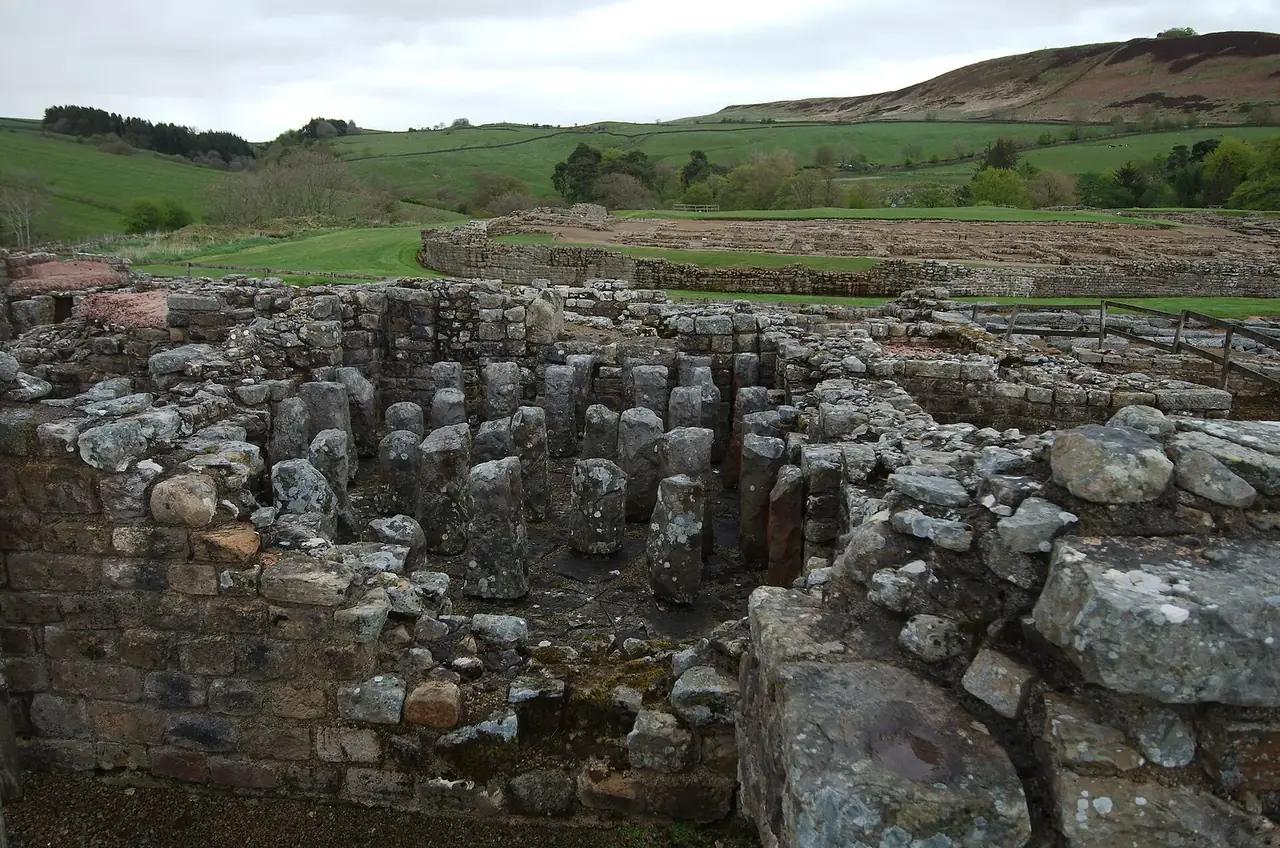
If the day has room for it, the road runs on to Vindolanda, where in the digging season the archaeologists are usually still at work, and the writing tablets found there — a birthday invitation between officers' wives, a note about sending socks — bring the people of the frontier close enough to touch. It is the far end of the day, and a fine one.
Lunch is on the line of the Wall — a tea room beside the priory at Lanercost, the café at Birdoswald, or a village inn at Gilsland that its own community bought back and runs. We will suggest whichever suits the day; lunch is yours to choose and to pay for.
All year round
We run this day all year, and the Wall is a different place in each of them.
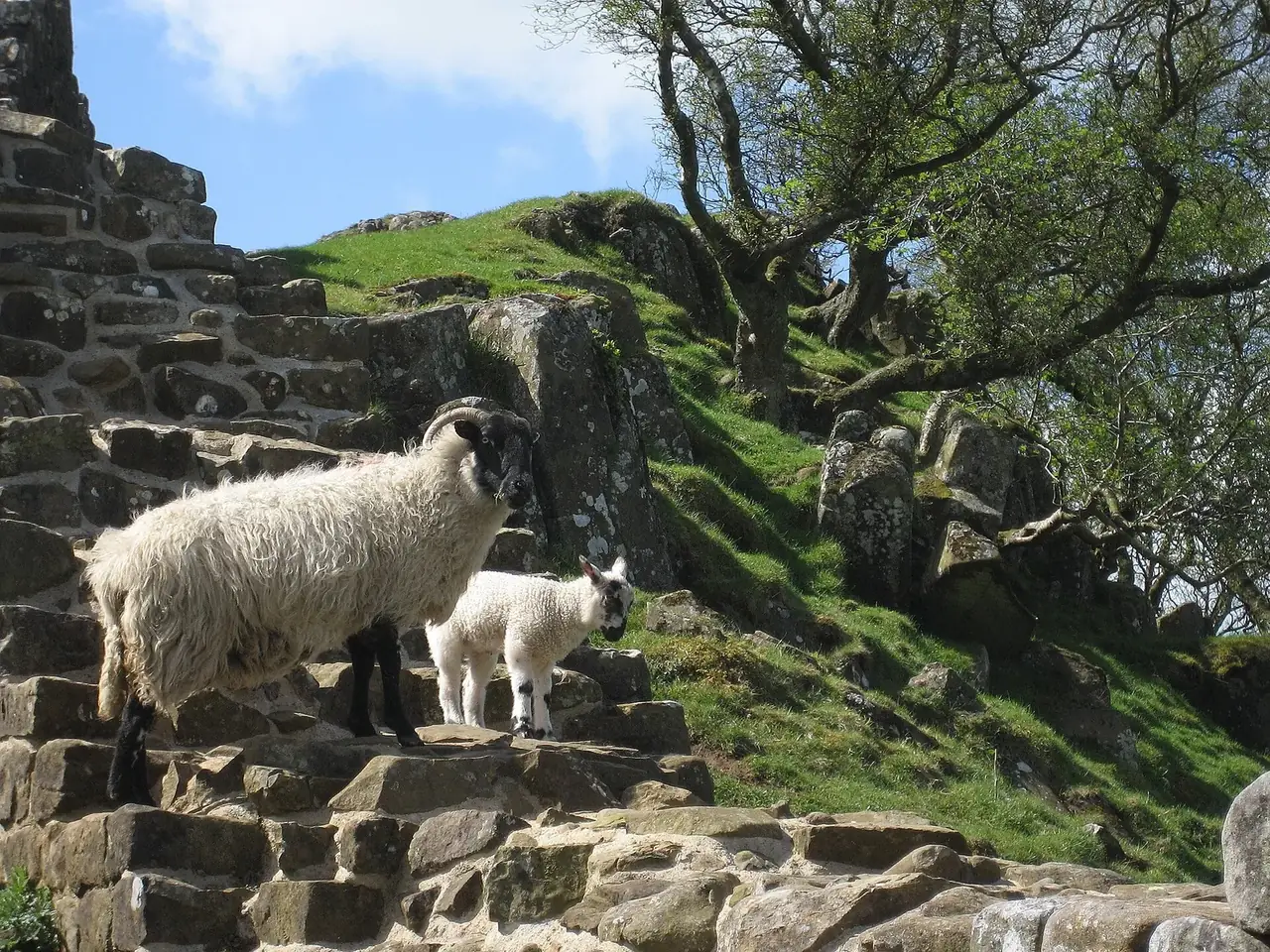
Lambs in every field along the line of the Wall, curlews back on the rough ground and calling over the fields, and the first green on the earthworks. The sites are at their quietest on a spring weekday.
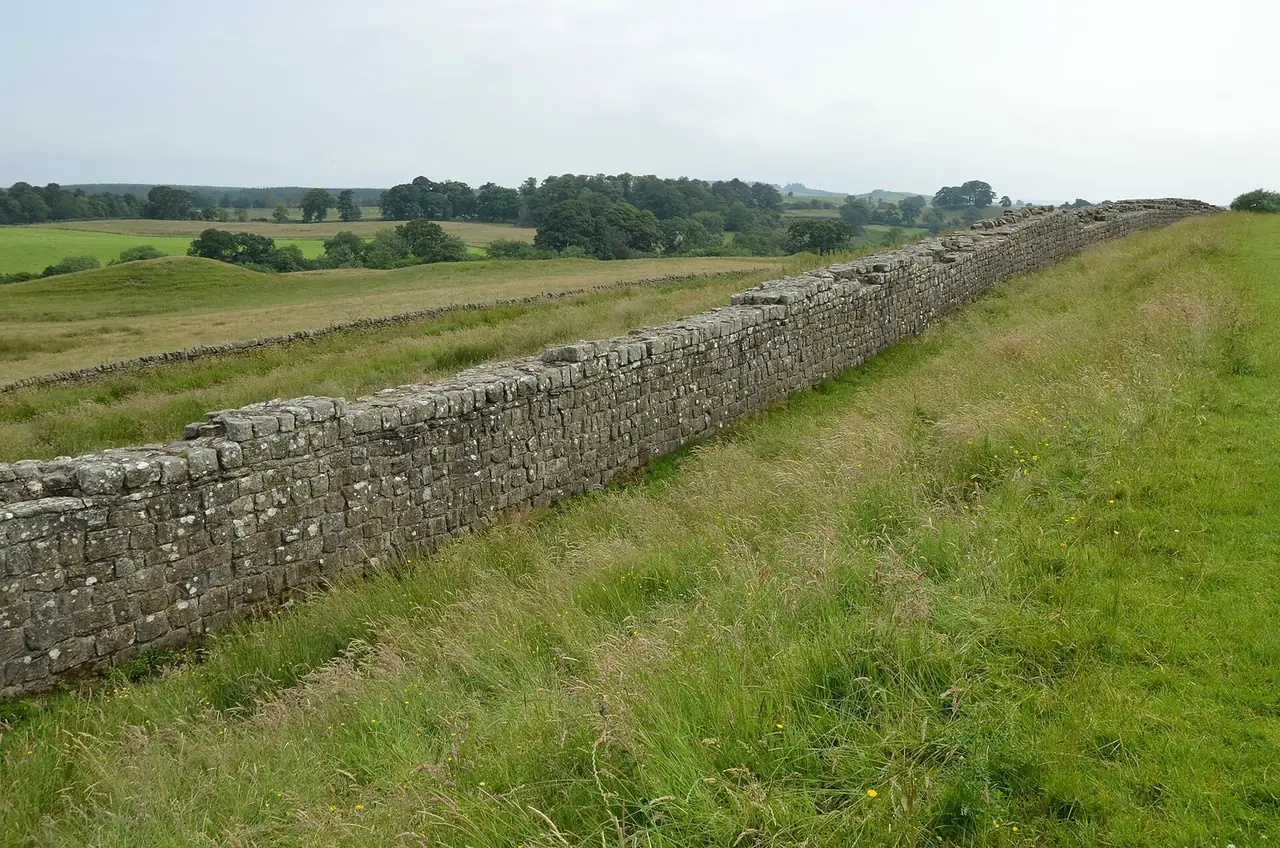
Long light and warm stone, the ramparts and the ditch standing out sharp in the low sun. You are back at the hall with the whole of a summer evening still ahead. Swifts over the priory, and the Wall on the skyline for miles.
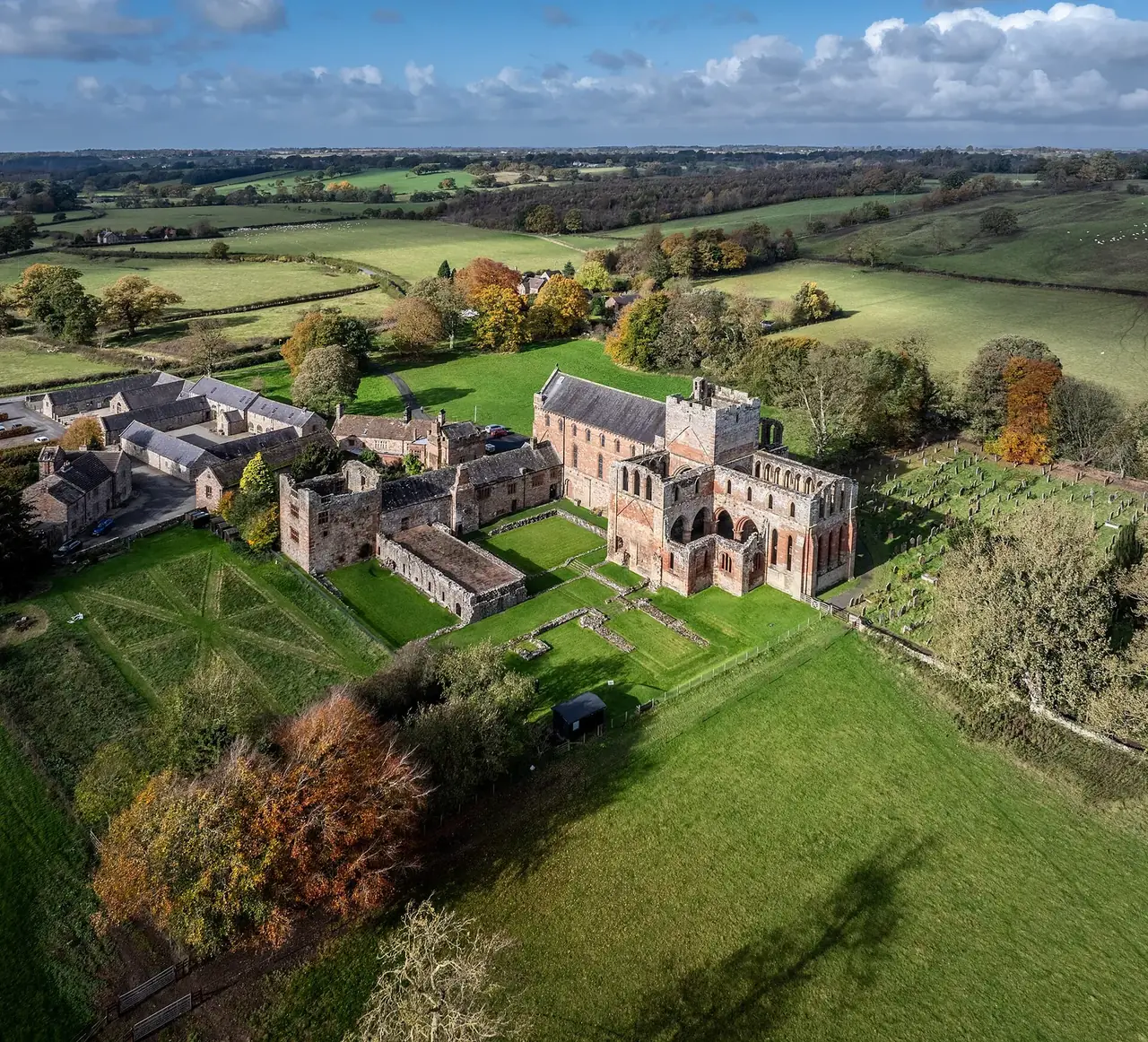
Bracken turning bronze along the earthworks, Lanercost glowing amber in the low afternoon light, and the paths emptying once the holidays are over. The best light of the year, and the quietest paths.
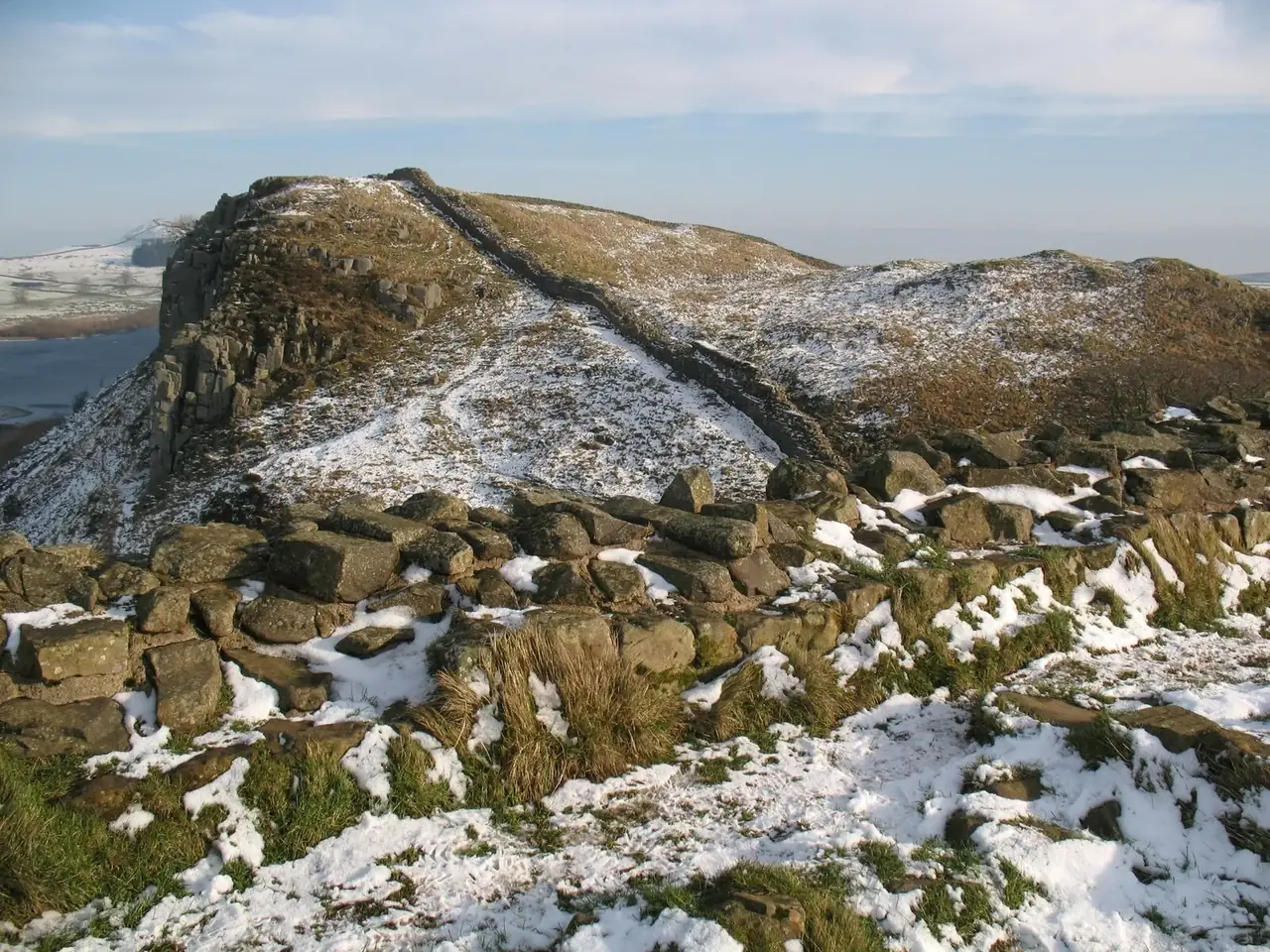
Frost in the turf, stone dark with rain, and the frontier very nearly to yourselves. Some sites keep shorter hours or weekend openings in the depths of winter, so we build the day around what is open — and the Wall itself never closes.
The price
Staying more than one night?
Farlam Hall sits between two very different days out. The Arts & Crafts day stays close to the hall — every window in Brampton's church by Burne-Jones, and the extraordinary church Sarah Losh built with her own hands at Wreay. Or head south for a full private day in the Lake District, collected from the hall and back in time for dinner.
Ask about both when you enquire — we can plan the two days together.
Tell us your datesBefore you go
Unhurried. Everything is a short stroll from where we park, on grass or gravel; the few rougher or steeper paths are always optional. Comfortable shoes are all you need.
The Wall runs along high, open ground and the wind has a long way to come. Bring a waterproof and a warm layer, even in summer — and on a truly wet day, the Roman Army Museum makes a dry and absorbing stop.
Welcome by prior arrangement, in the crate our vehicle carries. The Roman Army Museum and Vindolanda admit assistance dogs only, so tell us and we will plan around it.
Free cancellation up to 24 hours before the tour, for a full refund.
Questions
Read before you go
Lake District Tours is an independent, family-run guiding company based in Kendal, Cumbria. We designed this day for guests staying at Farlam Hall; the hotel is not involved in running it, and you book it directly with us.