Guide · Planning Yorkshire Dales
← Back to Guides
The Yorkshire Dales are often described primarily as a walking destination, which is accurate but potentially misleading. Most visitors who come to the Dales are not dedicated fell walkers. They walk some paths, see some villages, drive some valley roads. The distinction between "walking" and "visiting" in the Dales is less clear than in the Lake District, where the best landscape genuinely requires physical commitment to reach.
This guide is for visitors of all fitness levels — walkers and non-walkers — who want to understand what the Dales offer on foot and what is accessible without walking at all.
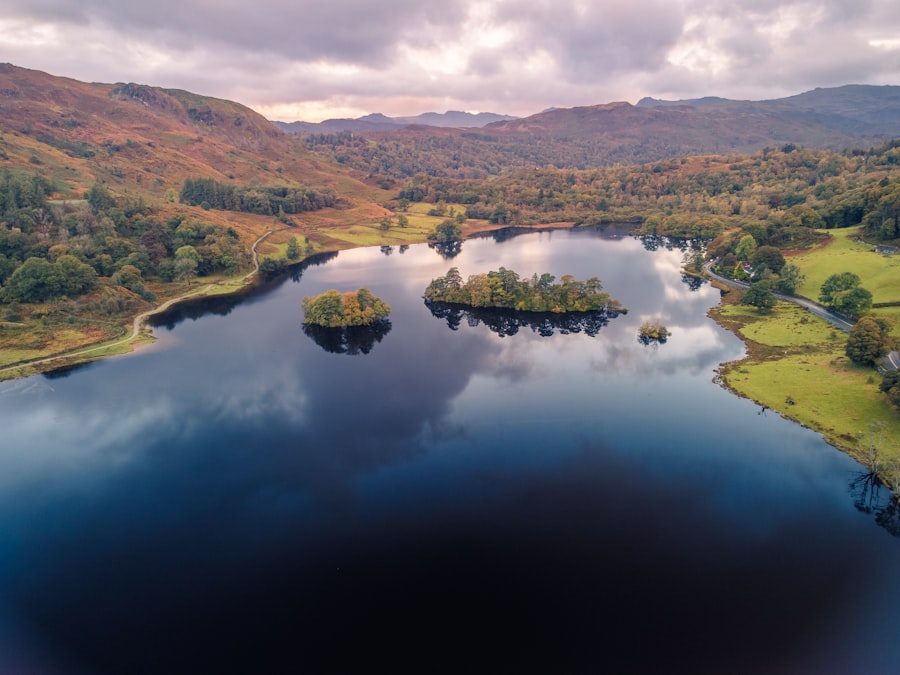
A significant proportion of the finest Dales landscape is accessible without long or strenuous walking.
From the car: The road over Buttertubs Pass between Hawes and Thwaite gives extraordinary moorland views with minimal walking required. The Ribblehead Viaduct is visible from the road. The valley views above Muker in Swaledale are accessible from passing places on the B6270. The limestone scarps above Settle are visible from the A65.
Short walks (under 1 hour return): Aysgarth Falls (20 minutes return to the upper falls), Hardraw Force (10 minutes through the pub garden), the limestone pavement above Malham Cove (30 minutes from the car park), Gordale Scar (20 minutes to the base of the falls).
Accessible paths: The riverside path at Bolton Abbey, the path along the Wharfe between Grassington and Linton, the village paths at Muker and Reeth are all good-surface, level paths suitable for limited walkers.
The Malham circuit (6 miles, 200m ascent): Malham village — cove — pavement — tarn — Gordale Scar — return. One of the finest half-day walks in the Dales, covering the main limestone features in a single circuit. Allow 3.5–4 hours.
Muker to Keld via the meadows (5 miles, 100m ascent): Following the Swale upstream through the hay meadow country of upper Swaledale. Exceptional in late May and June. Allow 2.5 hours.
Grassington to Linton (3 miles, minimal ascent): A short valley walk through the limestone meadows of lower Wharfedale. Allow 1.5 hours.
The Three Peaks Challenge (24 miles, 1,600m ascent) — see the Three Peaks guide. The Dales Way (80 miles, multi-day). The Coast to Coast Walk passes through the northern Dales via Keld and Nine Standards Rigg. The Pennine Way traverses the western edge of the Dales from Malham north to Hawes and beyond.
The same principles apply as in the Lake District. A waterproof jacket is non-negotiable. Comfortable walking boots or shoes with a reasonable sole are sufficient for valley paths; walking boots are necessary for moorland and summit routes. Carry water; the cafés in the Dales villages are not evenly distributed.
Weather changes quickly on the upland. The valley floor can be pleasant while the ridge above is in cloud and wind. A layer more than you think you need is never wasted.
A guide who knows the Dales well transforms what you see on a walk from scenery into story. The hay meadow you are walking through has a history and an ecology. The lead mining ruins on the moor above have a human story. The limestone pavement has a botanical significance. None of this is visible without someone to explain it.
Our bespoke Dales tours include walking sections calibrated to your group's ability and interest.
Contact us to discuss a walking-based Yorkshire Dales bespoke tour.
More from the Yorkshire Dales:
No — a significant proportion of the finest Dales landscape is accessible without long or strenuous walking, including from the road itself.
Extraordinary moorland views from Buttertubs Pass, the Ribblehead Viaduct, valley views above Muker in Swaledale, and the limestone scarps above Settle.
Aysgarth Falls, a 20-minute return walk to the upper falls.